
Last updated:
News, project stories and lighting insights from the Luxey team — solar lighting, stadium projects, smart lighting technology and logistics know-how.
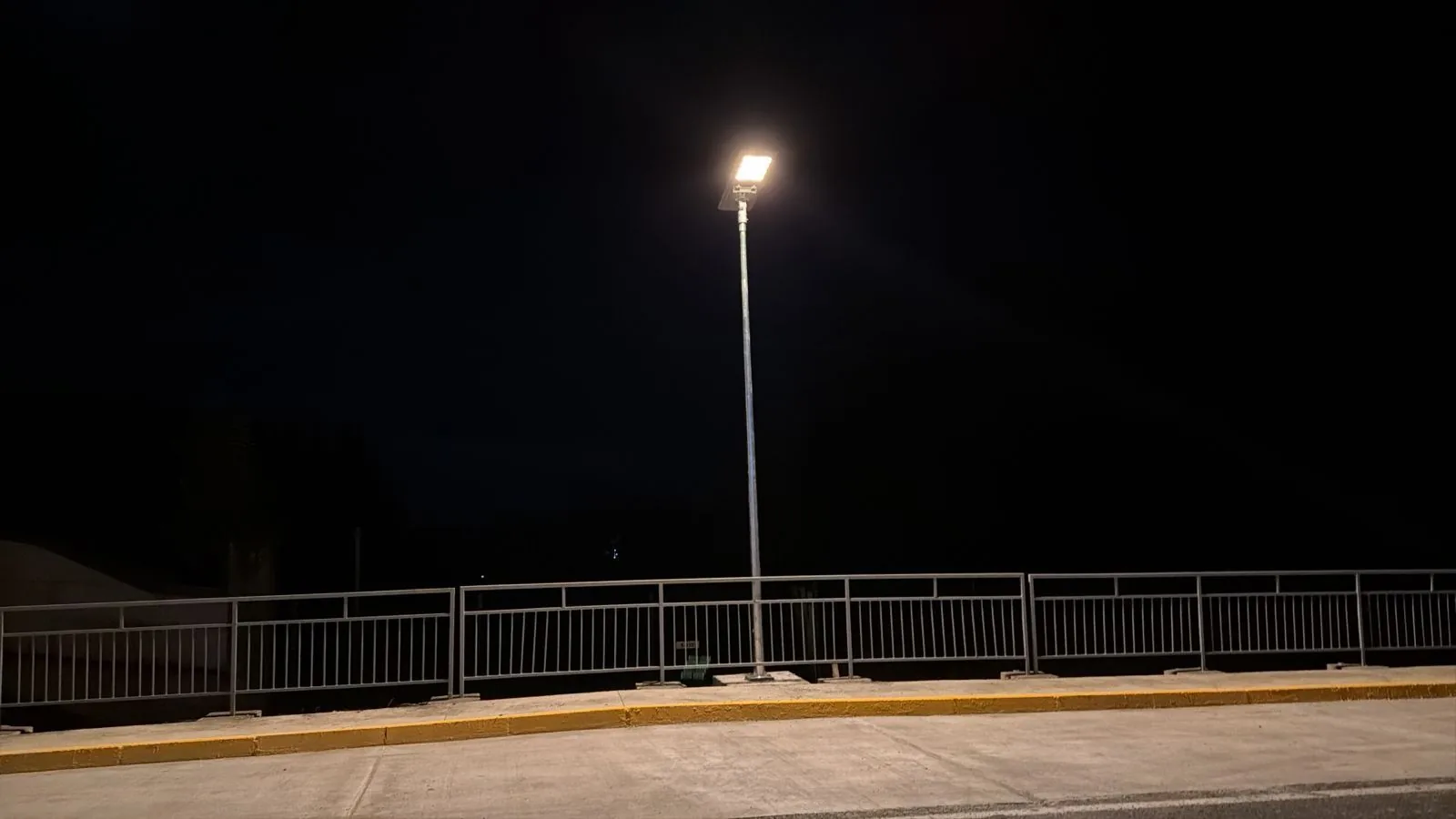
On a rural road the line to the light can cost more than the light. What changes when the grid assumption fails, and what to require instead.
Read More →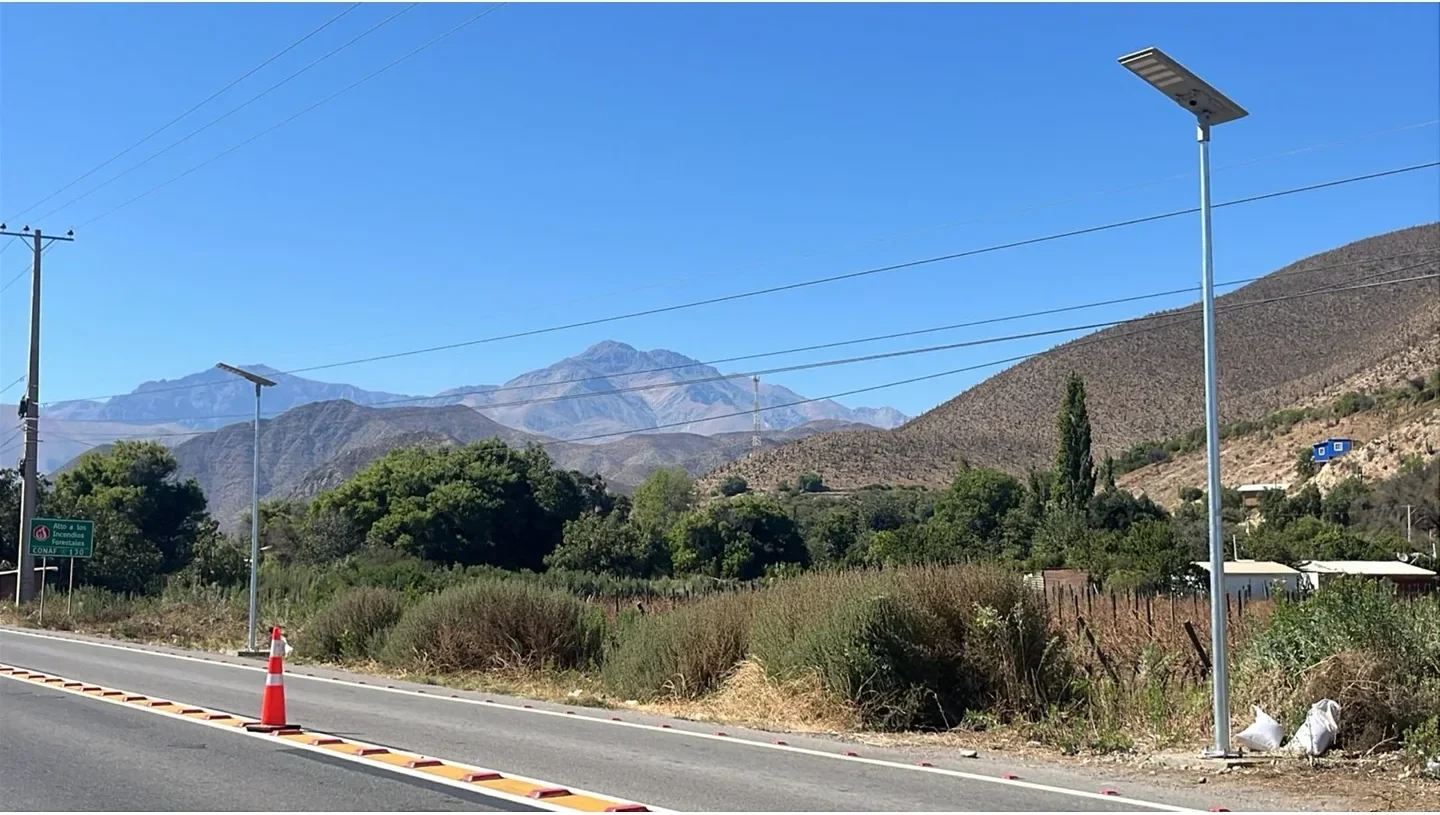
Two offers can both be compliant and still light different roads. The six clauses, the scoring table and the tests that settle it.
Read More →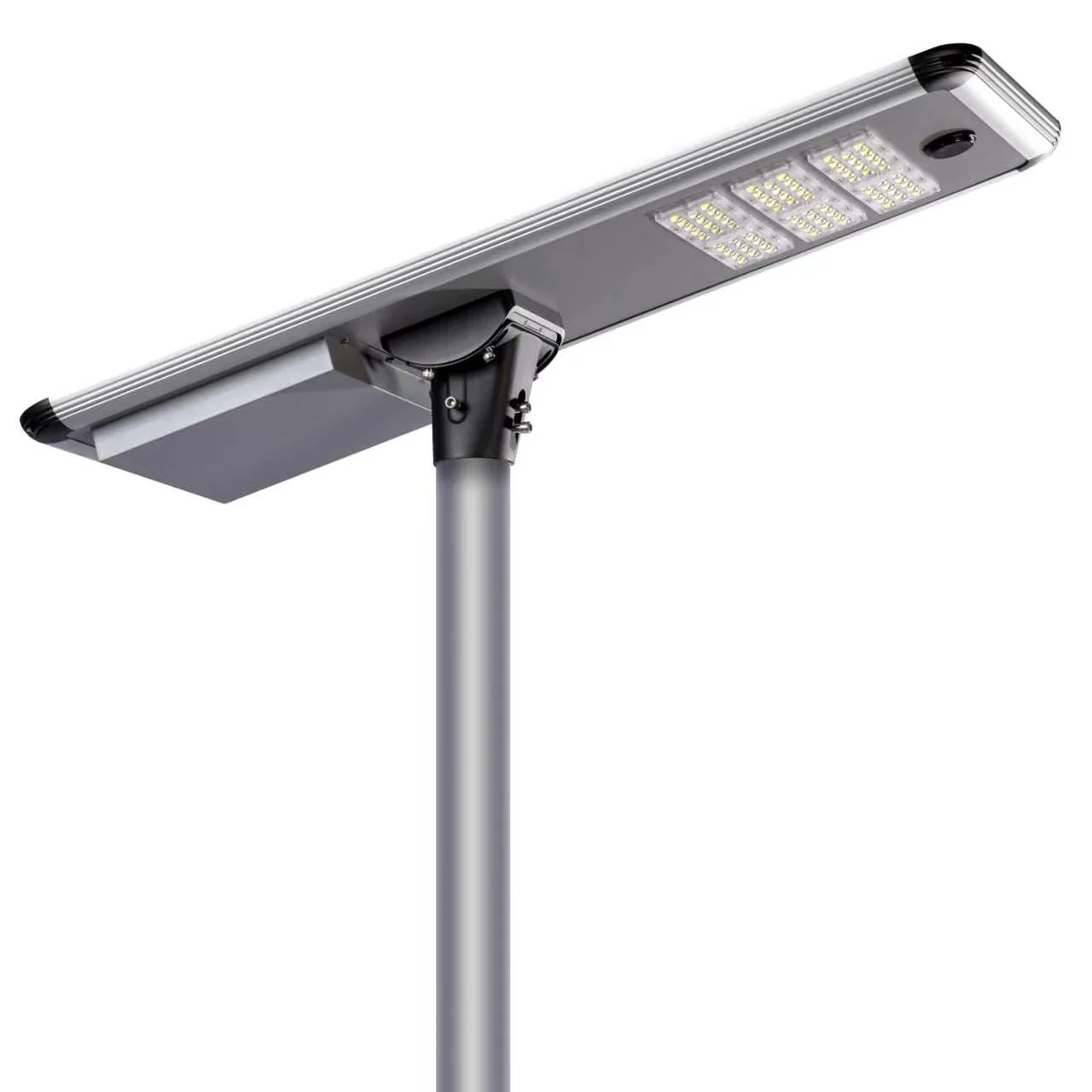
A kilometre is 34 points or 20, depending on spacing. Here is how the count, the wattage and the battery build the number, with a worked example.
Read More →
Copper travels north from Chile and Peru, containers travel south from Shenzhen. What moves, how long it takes, and where the paperwork still lags.
Read More →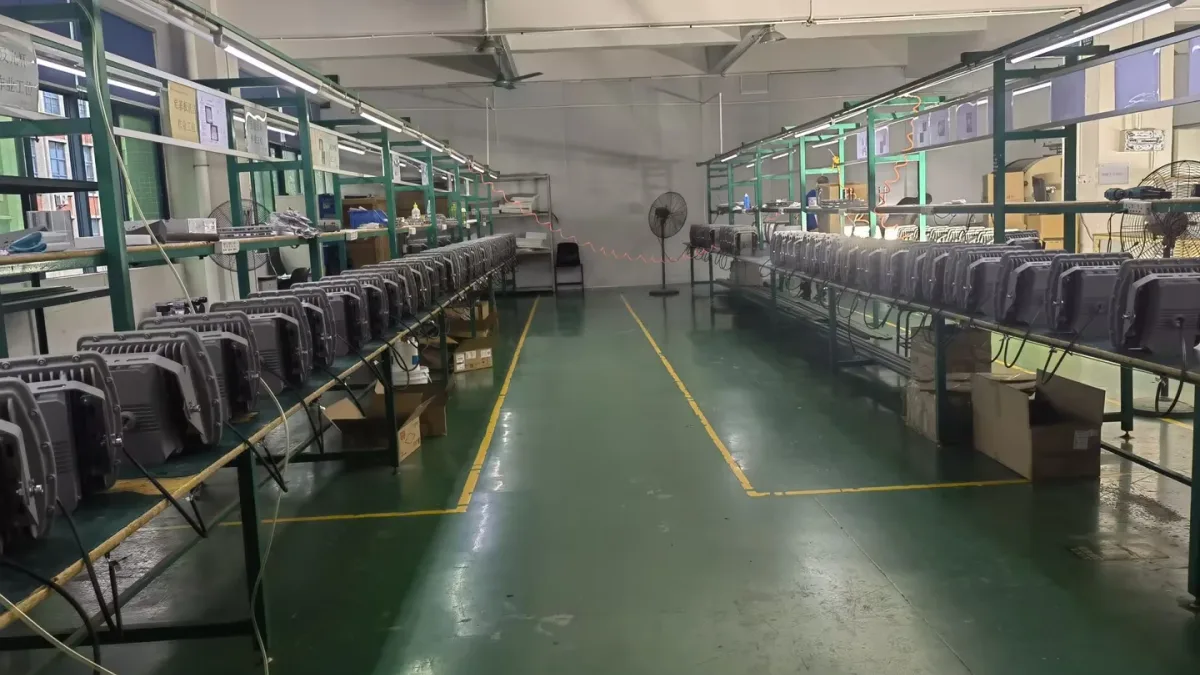
Eight segments decide where a luminaire may be installed. Here is how to read each one, and the five things the label leaves out.
Read More →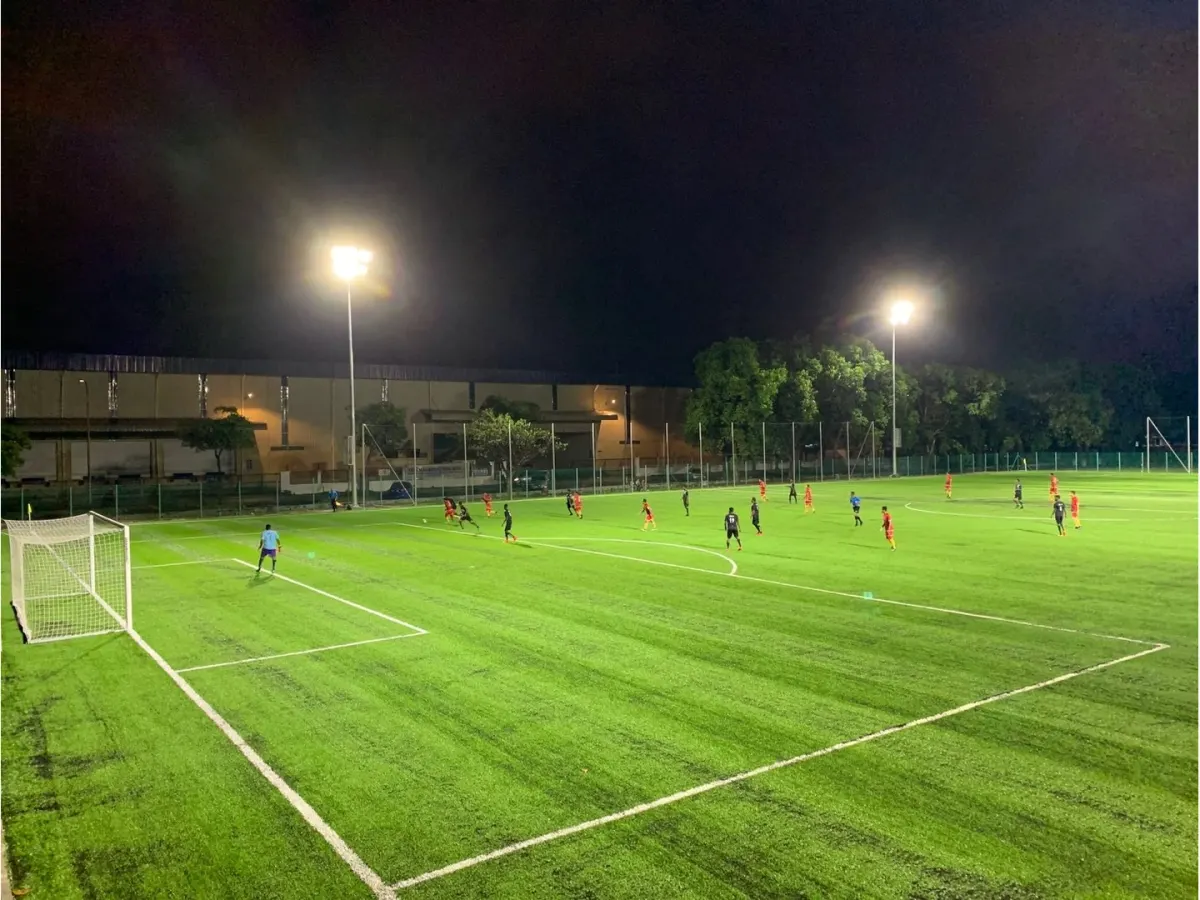
Mounting height, EN 12193 class, optics, glare and wind load decide whether a high mast saves energy or just moves the problem.
Read More →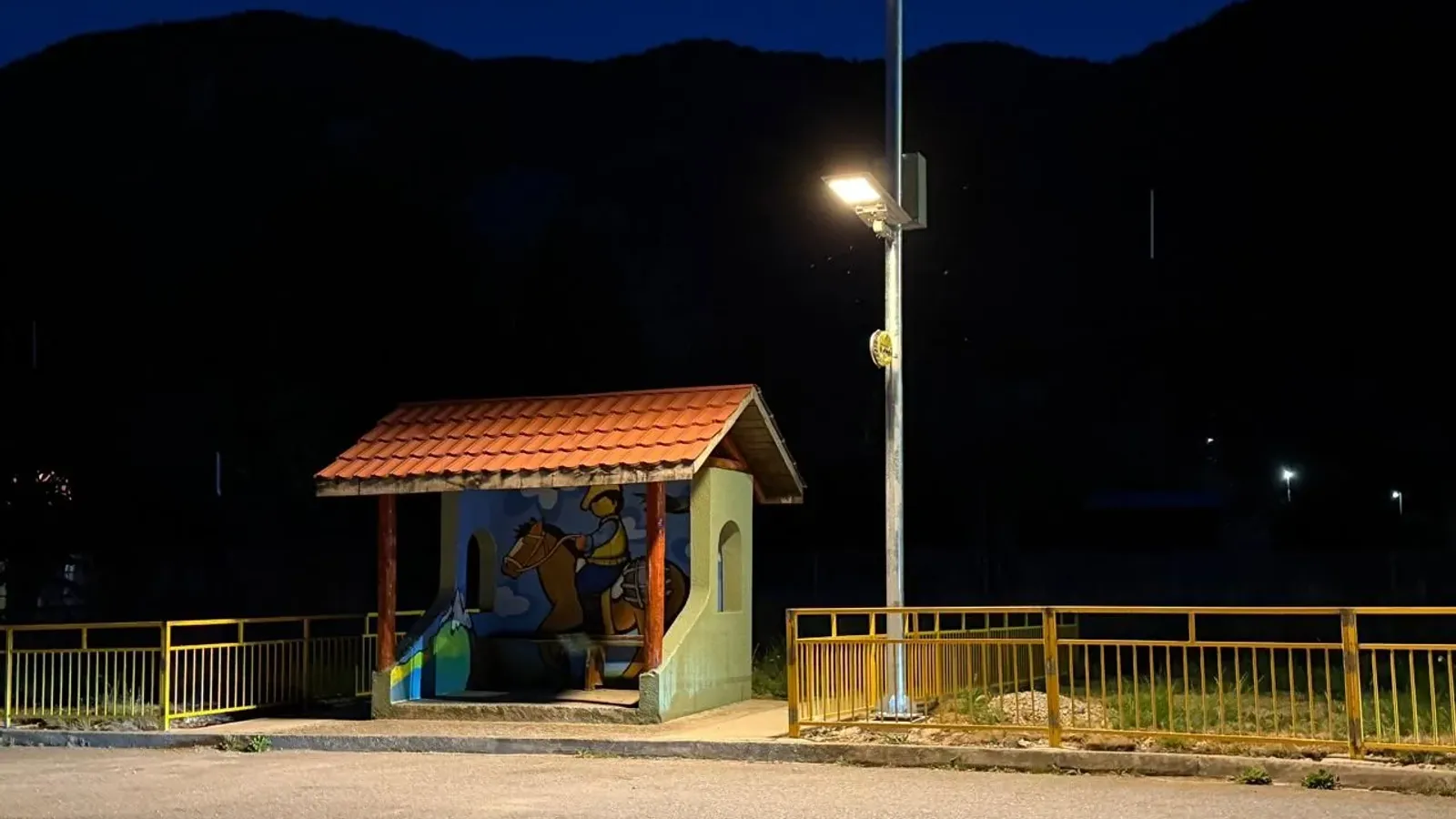
Salt does not need rain to start working. What fails first on a coastal luminaire, why a 500-hour salt spray result is not a life prediction, and the ten lines to specify.
Read More →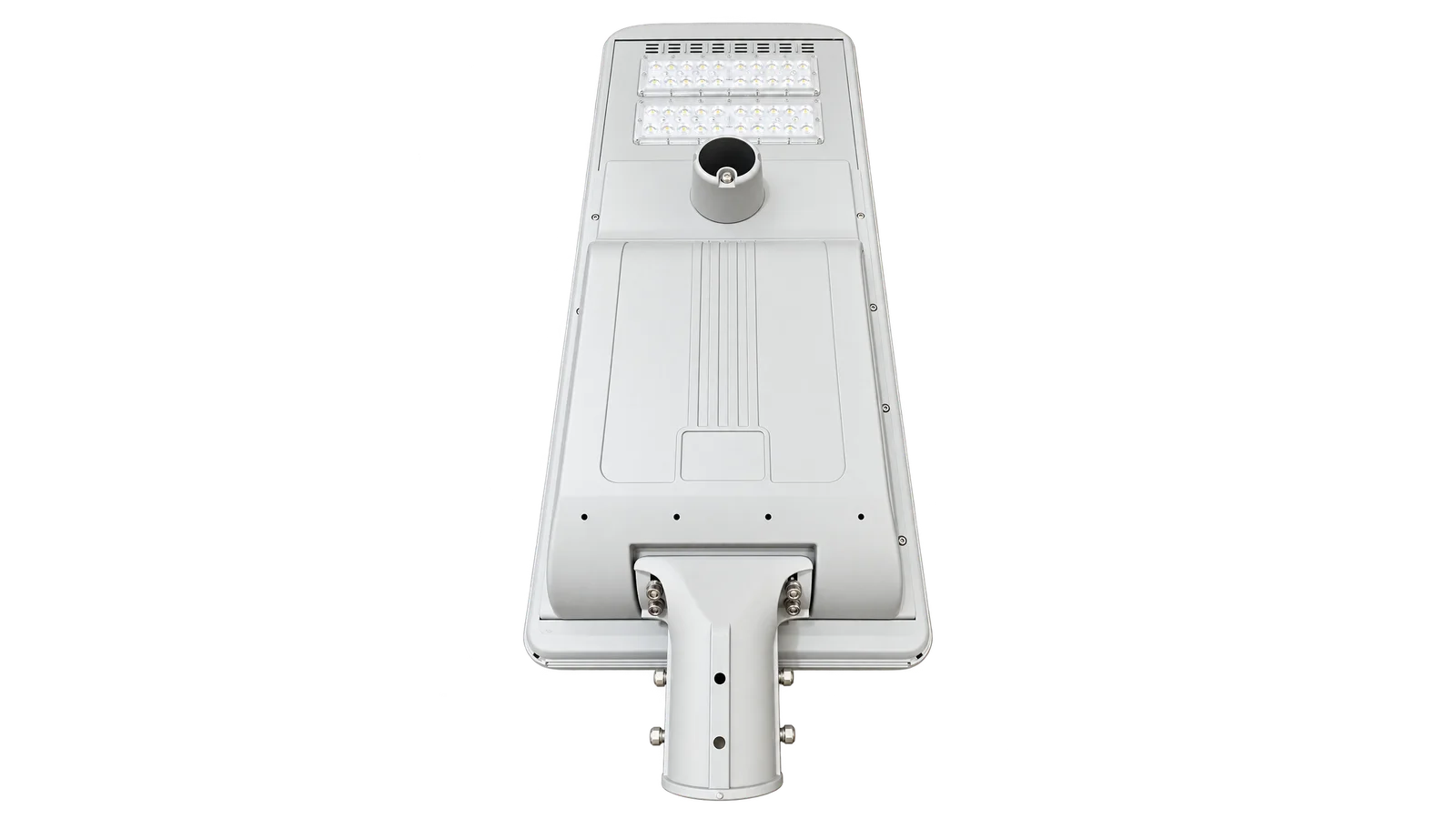
A ten-year project will outlive a battery. How to confirm the pack is at fault, specify the spare, and swap it on the pole without a crane.
Read More →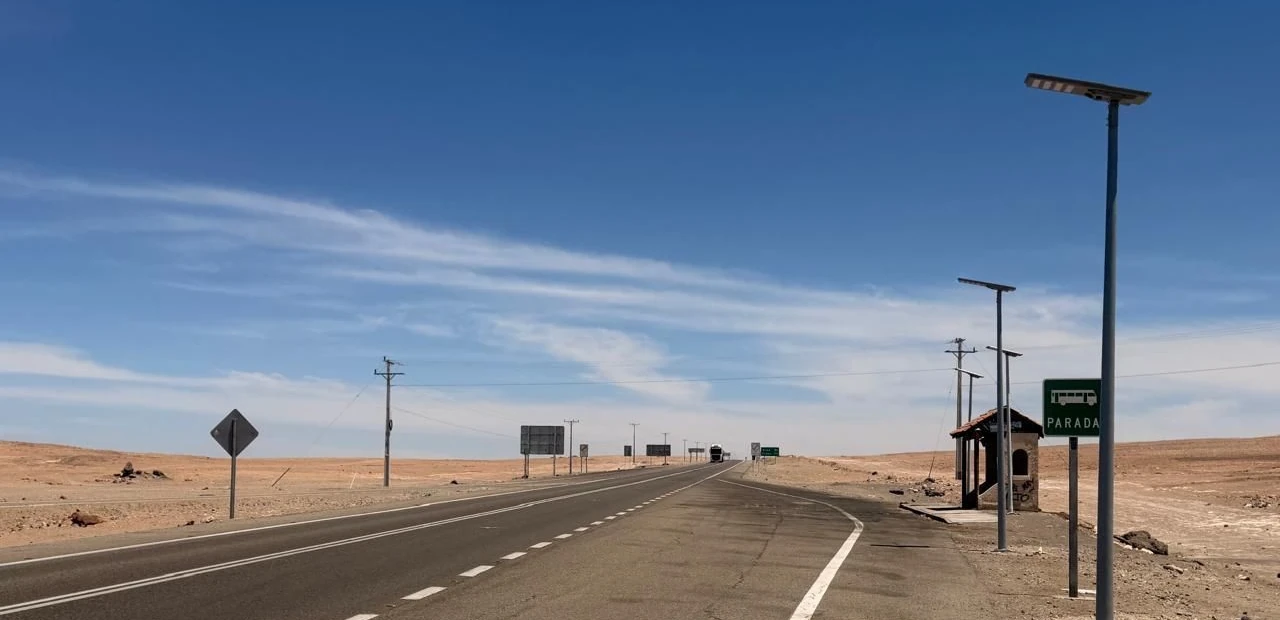
A 45 m/s claim can mean the basic wind velocity, the pressure at the pole top, or a bending moment. Only one of them can be checked before the poles ship.
Read More →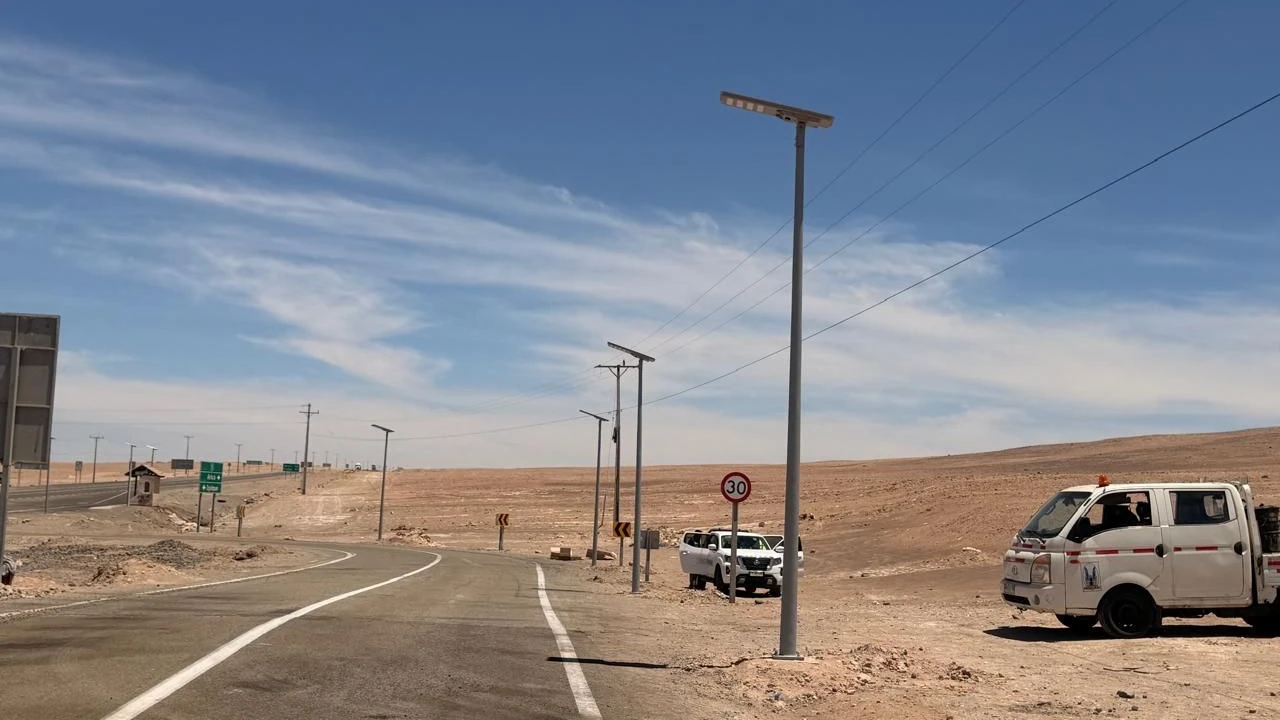
Height, spacing and luminaire flux are three decisions, and a quotation that gives only wattage has answered none. The arithmetic that links a lighting class to the exact pole.
Read More →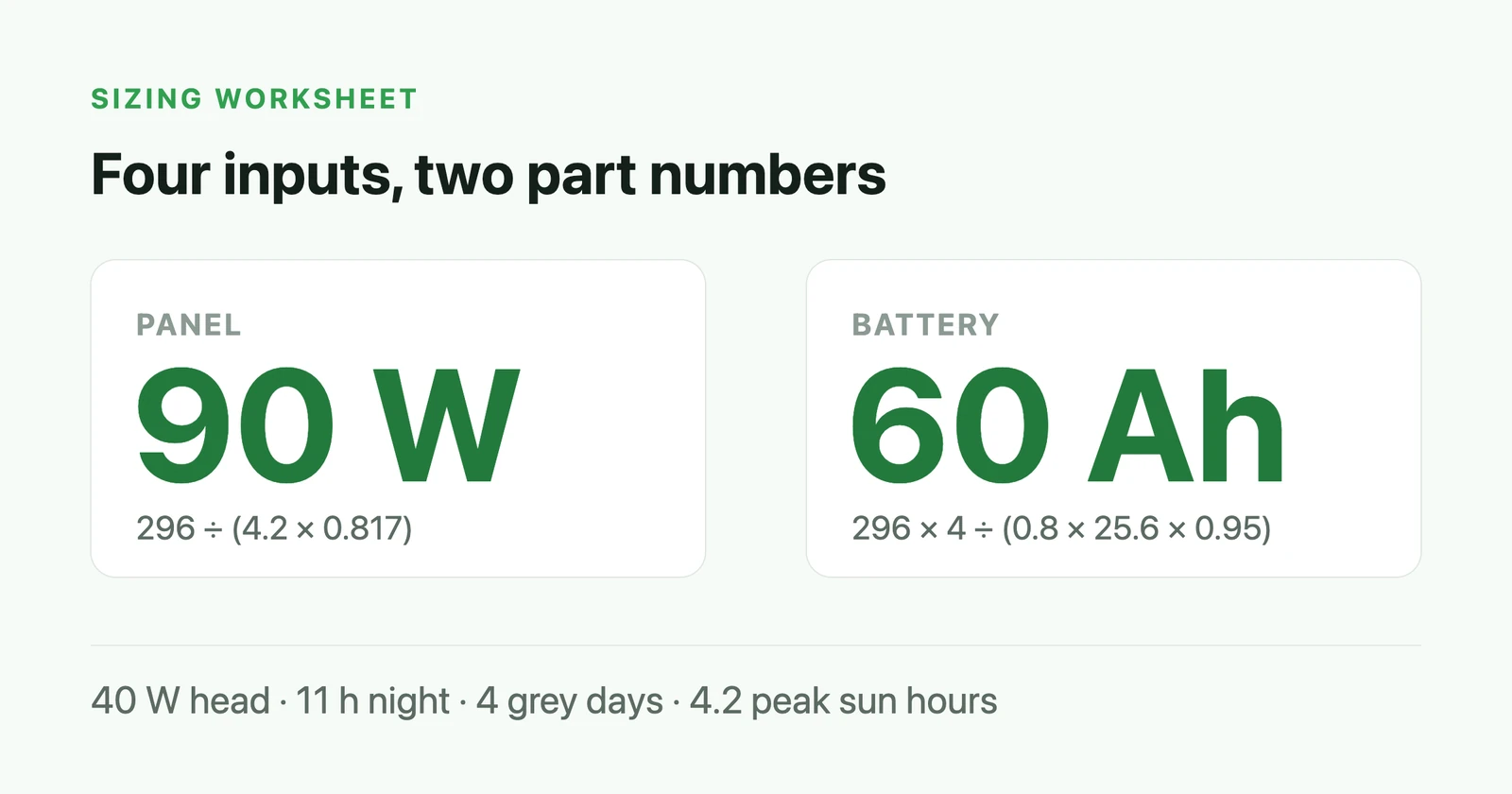
Four numbers and two divisions decide the panel, the battery and the rainy-day promise. Two minutes with a calculator, checked against a 12-pole village road.
Read More →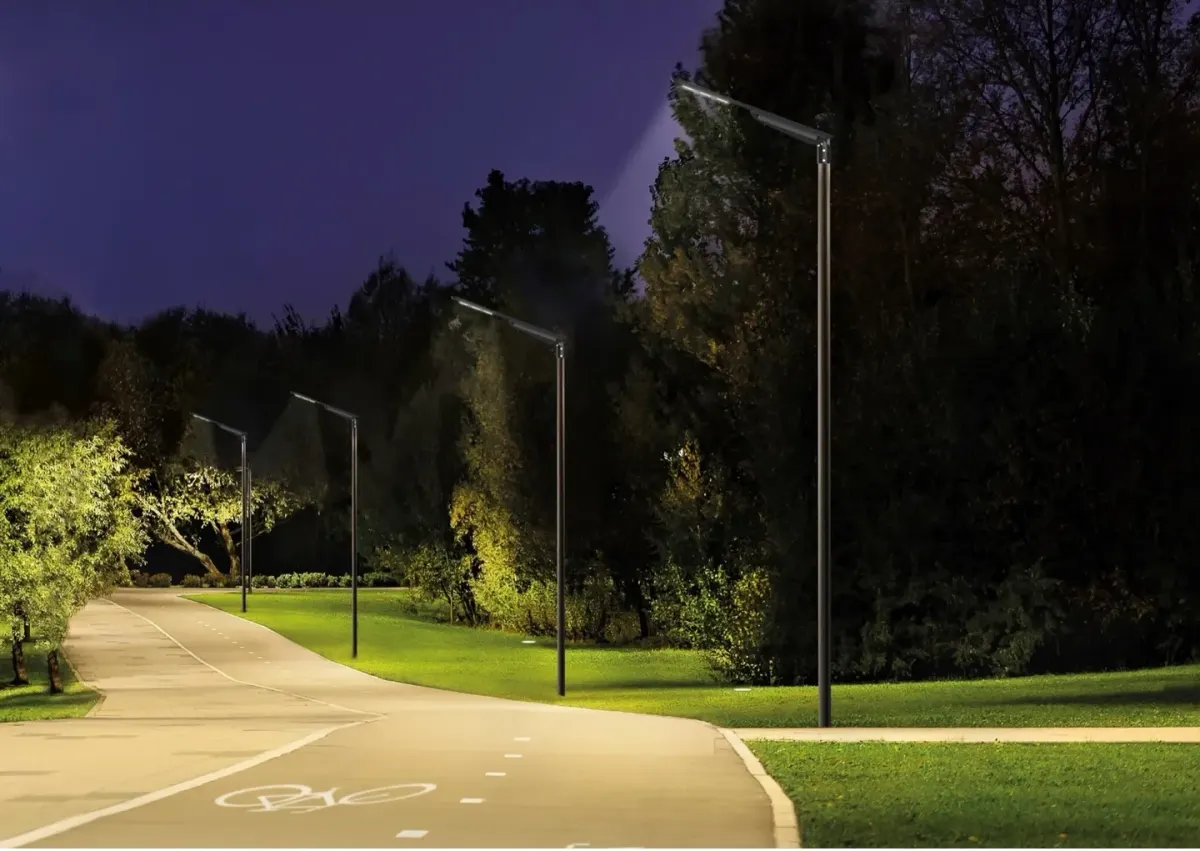
Five parts, five clocks. The panel lasts 25 years, the LED about 12 — and the battery sets the year you actually replace the light.
Read More →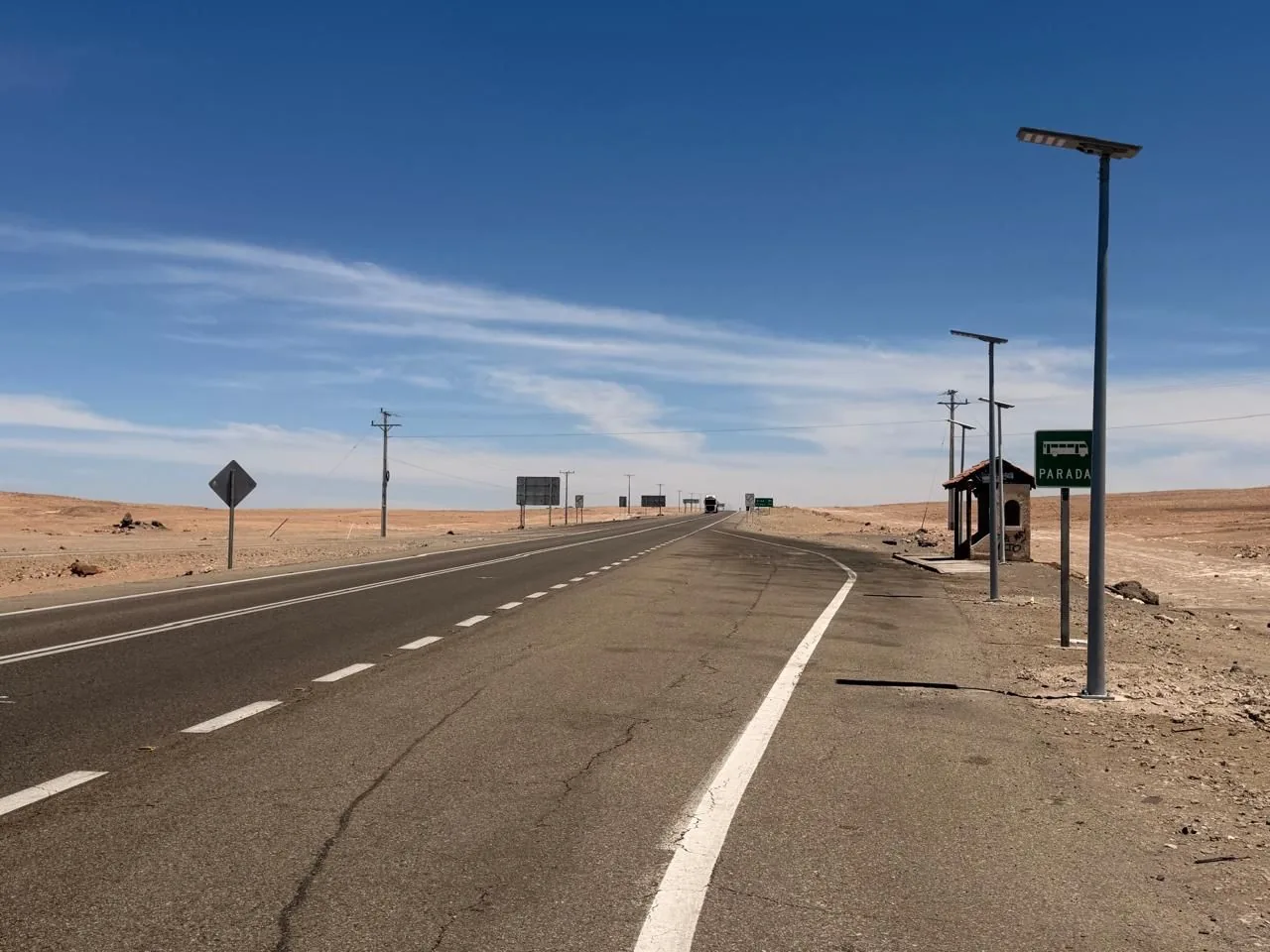
Five parts on one pole, no cable, and one automatic cycle a day. What each part does, what happens after dark, and four assumptions that quietly cost money.
Read More →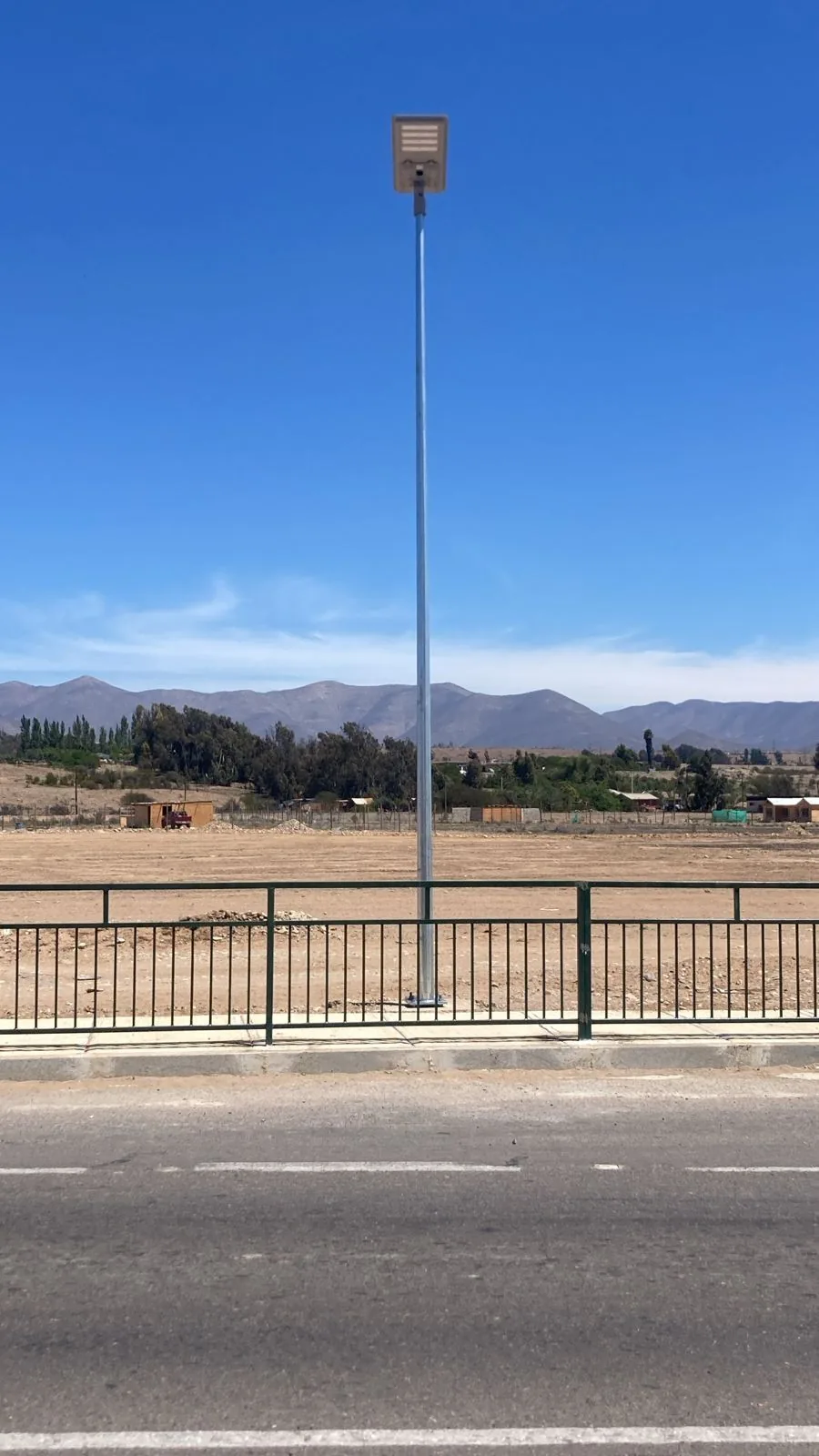
Above 3,500 m the sun is stronger, the air is thinner and the nights are colder. Four of those change what you must specify — UV, clearance, tilt and the battery's cold edge.
Read More →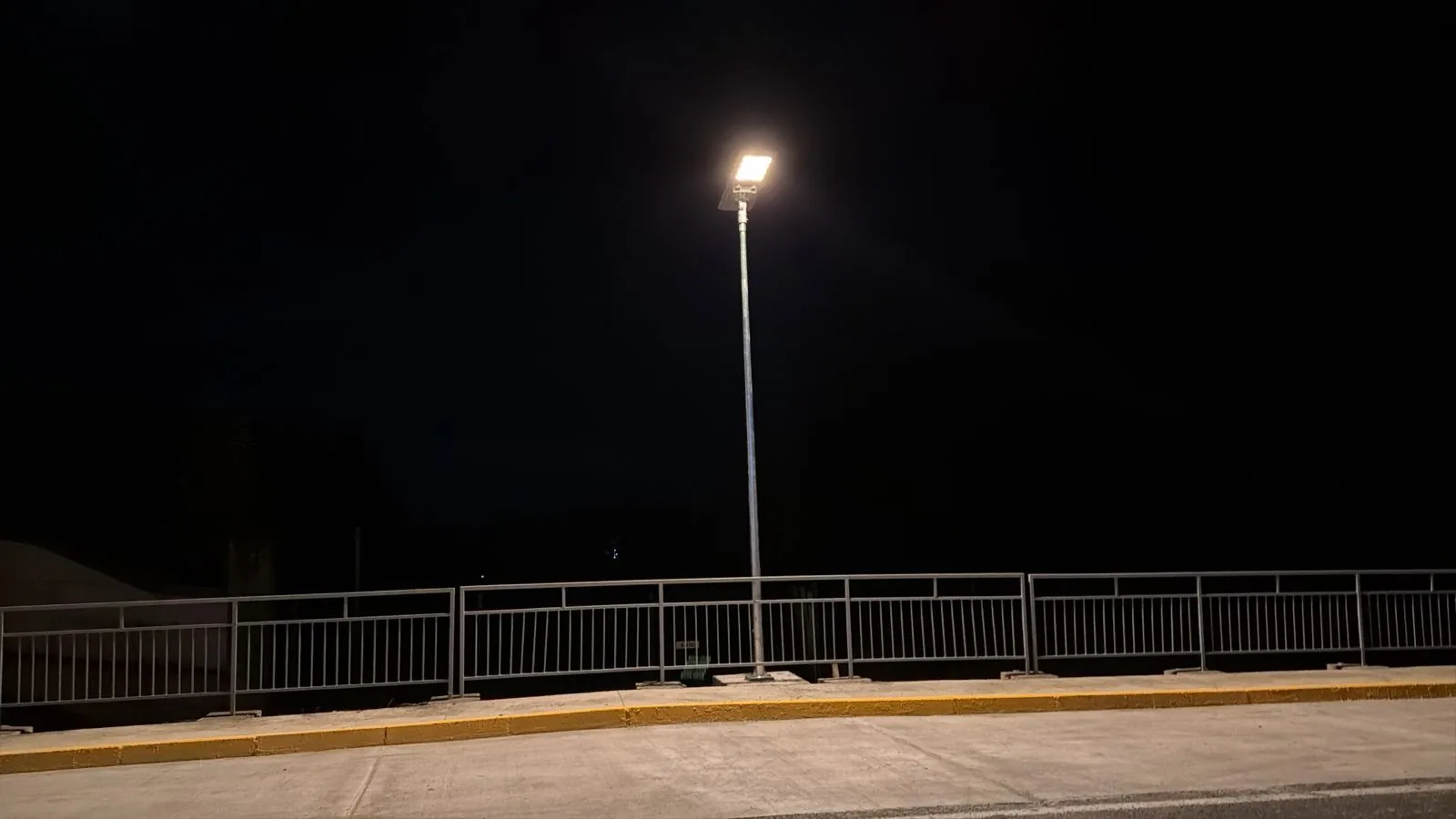
Latin America leads the world in solar street lighting. The decisions behind a buy — form factor, autonomy, certification — gathered in one hub, with links to every deep guide.
Read More →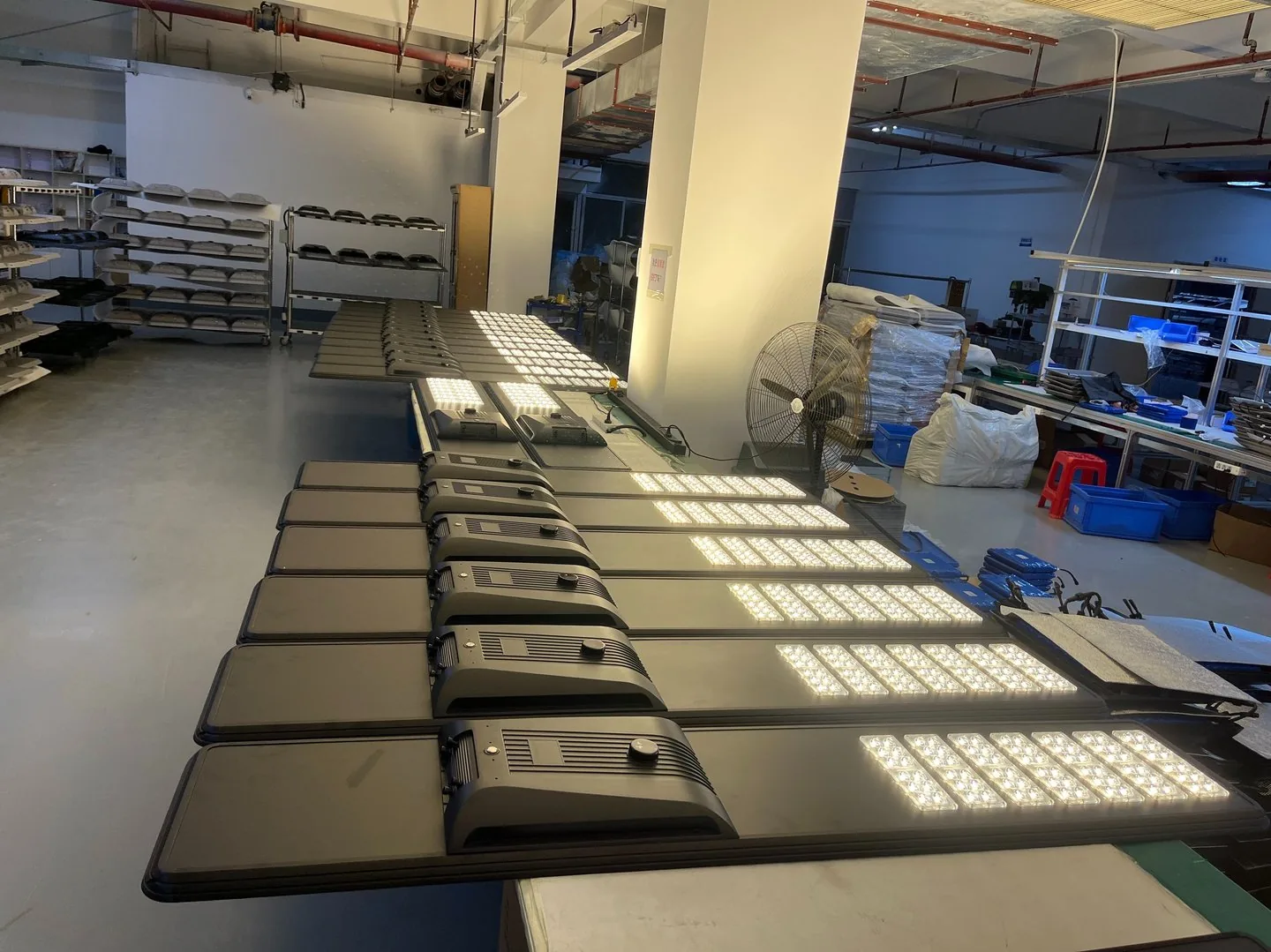
Two segments, five regions, three Chinese clusters. Where the solar lighting market is large enough to matter, and where it is still uncontested.
Read More →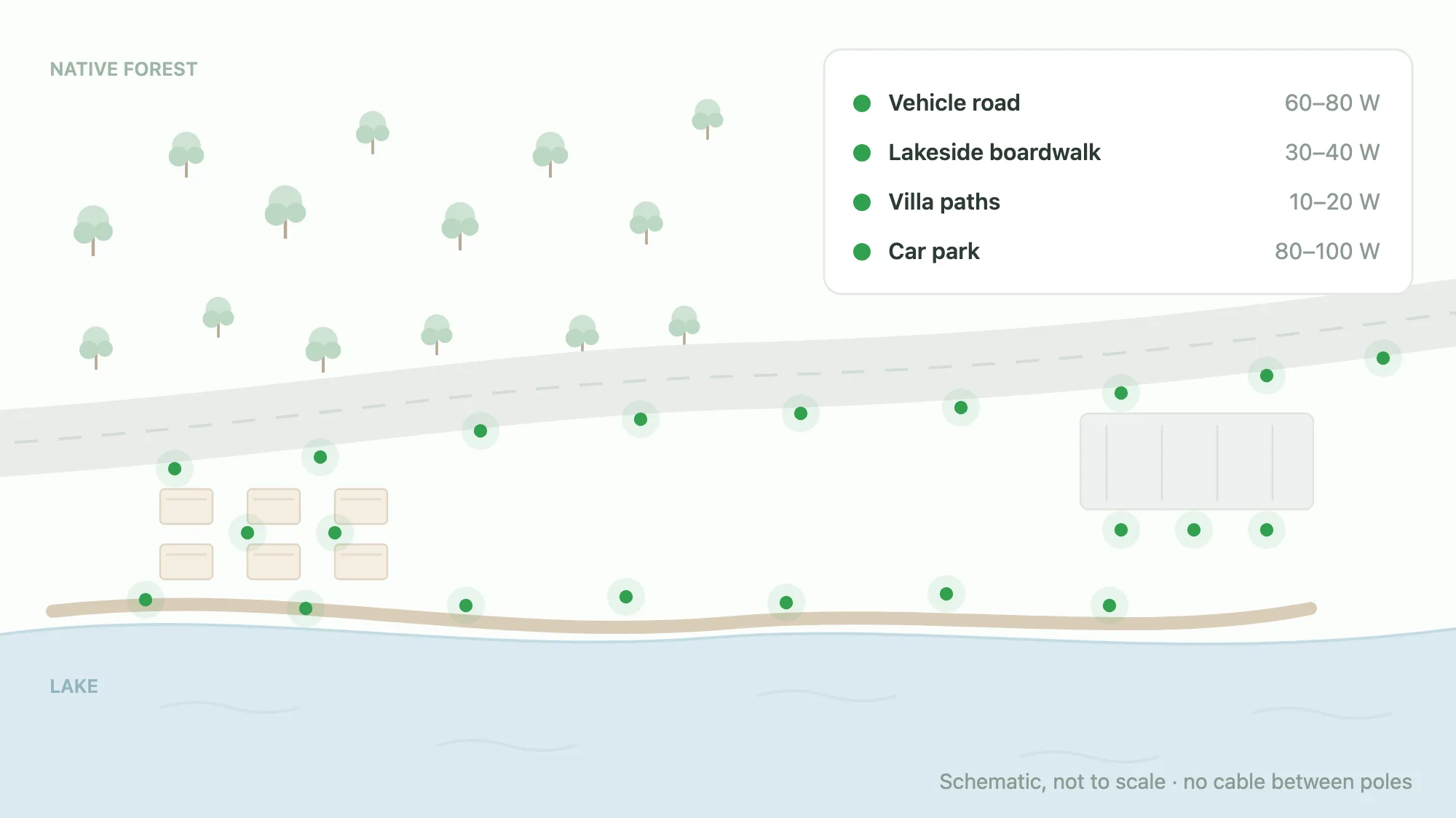
An eco-resort in Los Lagos traded trenching for off-grid poles: seven days of installation, no cable in the forest, and no outdoor electricity line on the bill.
Read More →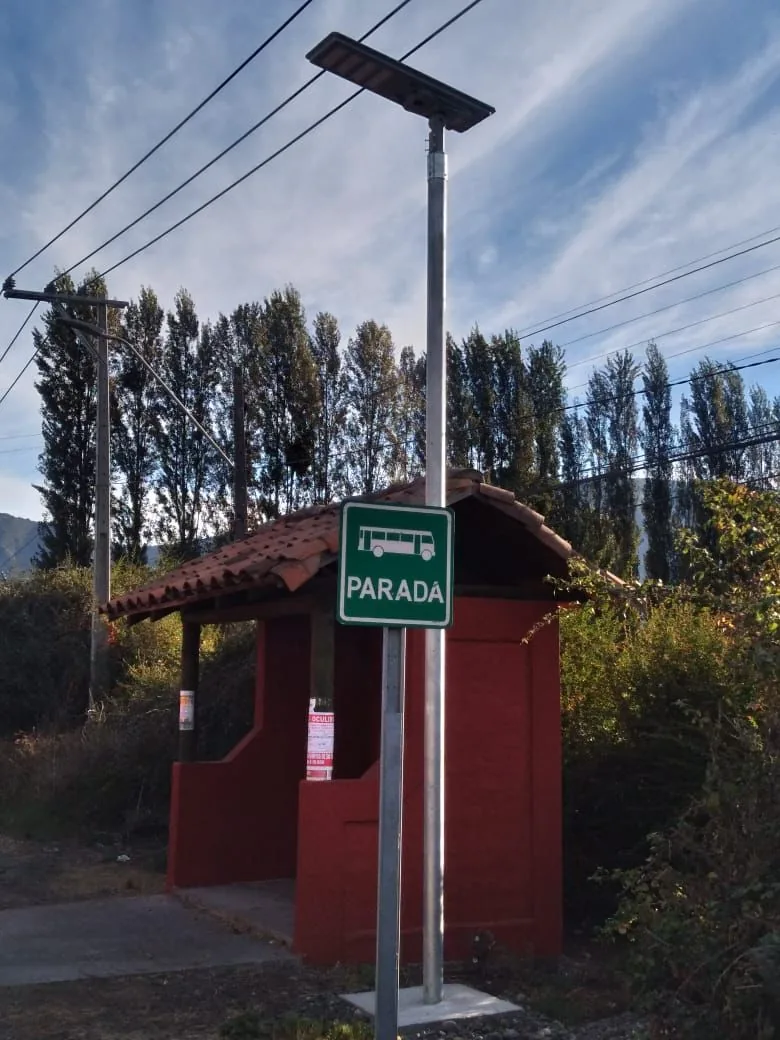
Trenching, cable and a monthly bill versus one all-in-one price. Where the five-year TCO of solar and grid LED street lights crosses — with a calculator for your own numbers.
Read More →Rain, battery fade, salt and paperwork decide whether a solar street light survives. A seven-step buying guide for municipal, EPC and off-grid buyers in Latin America.
Read More →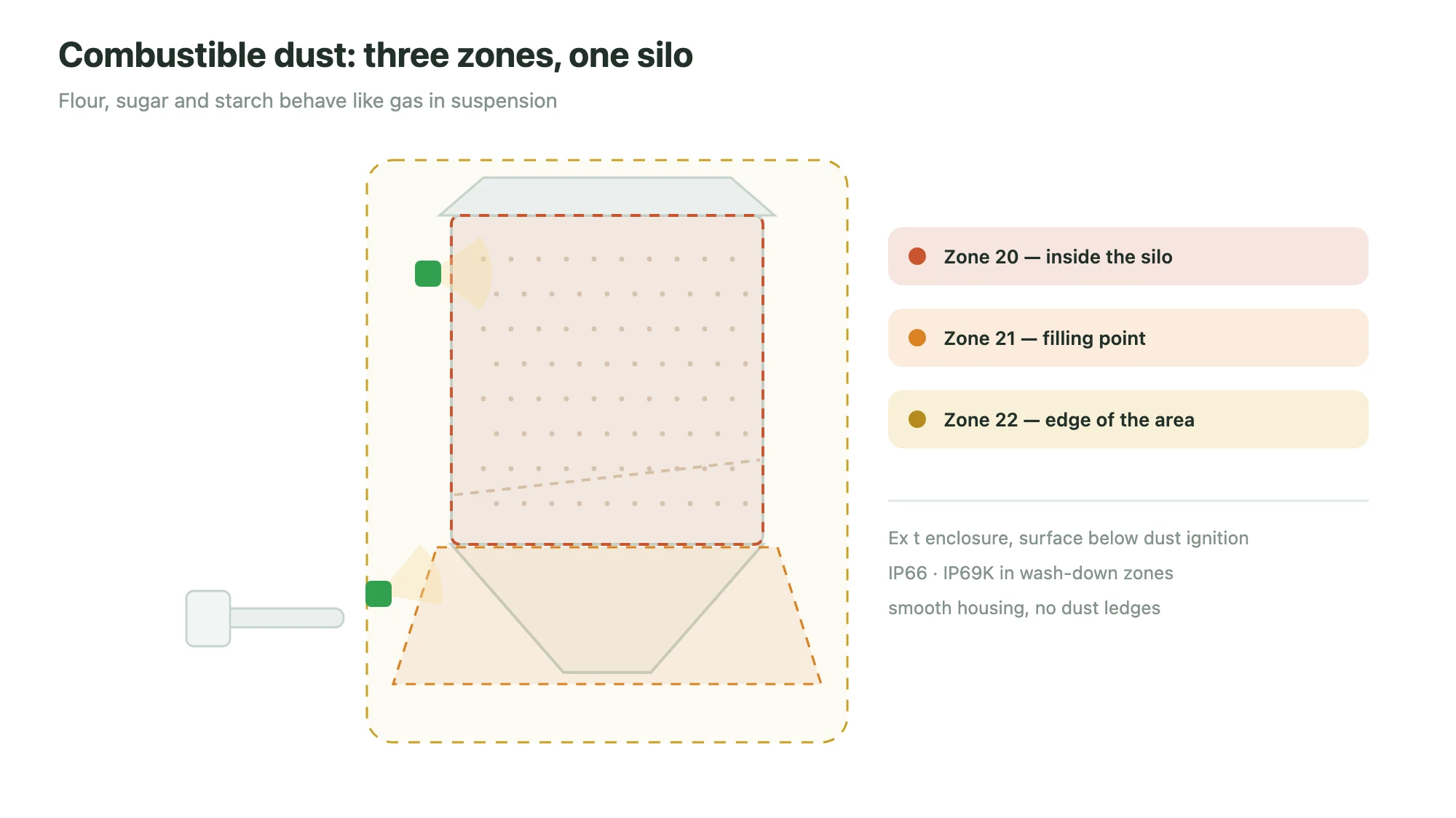
The dust layer on a beam is invisible until it is airborne, and a fixture chosen on price is the ignition source for the secondary explosion. Zone 20 to 22, hygiene and T-class.
Read More →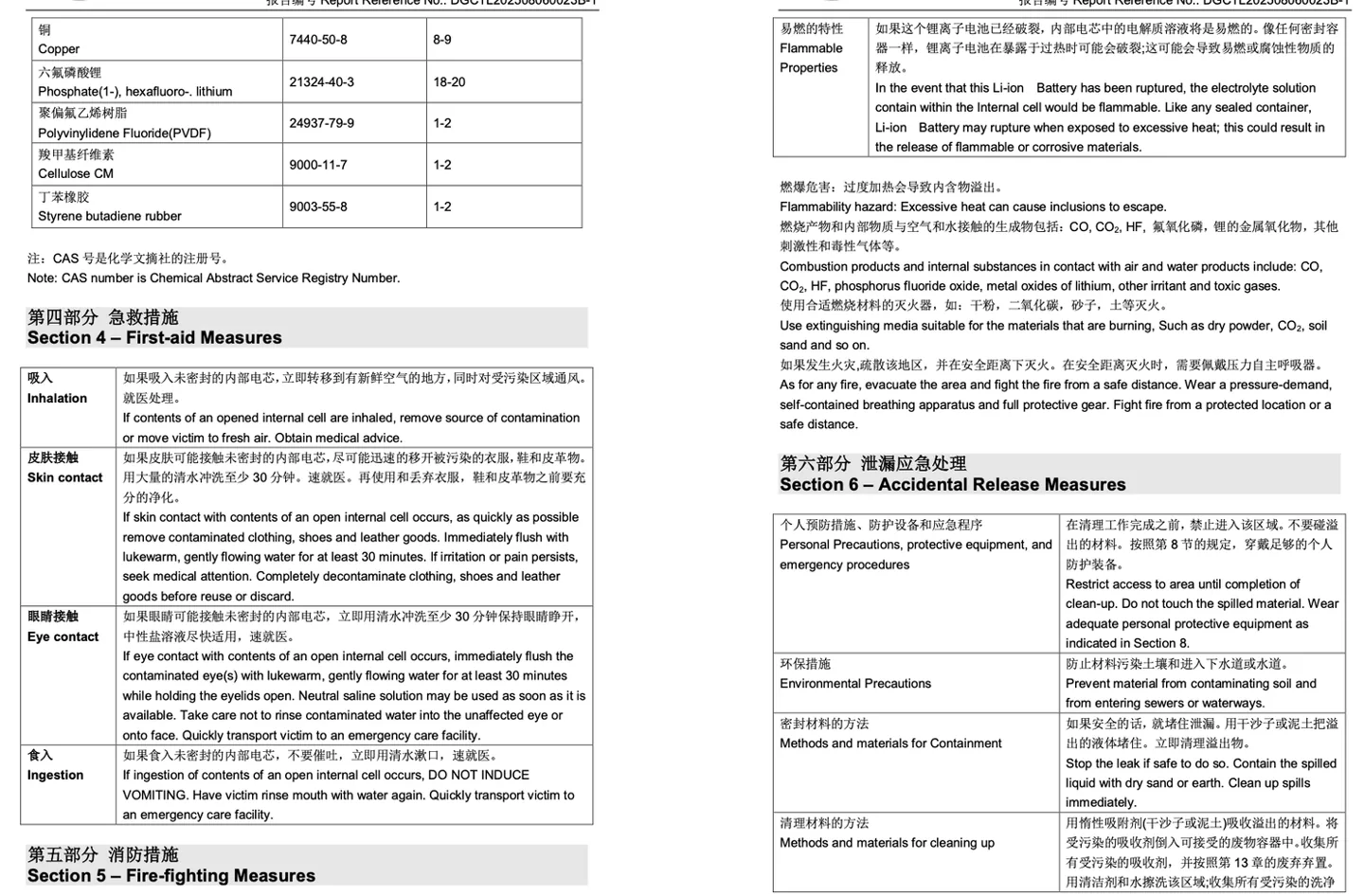
What It Actually Takes to Ship a Lithium Battery Street Light Overseas Passing UN38.3 tells you the battery is safe . It doesn't tell customs or the carrier what to call…
Read More →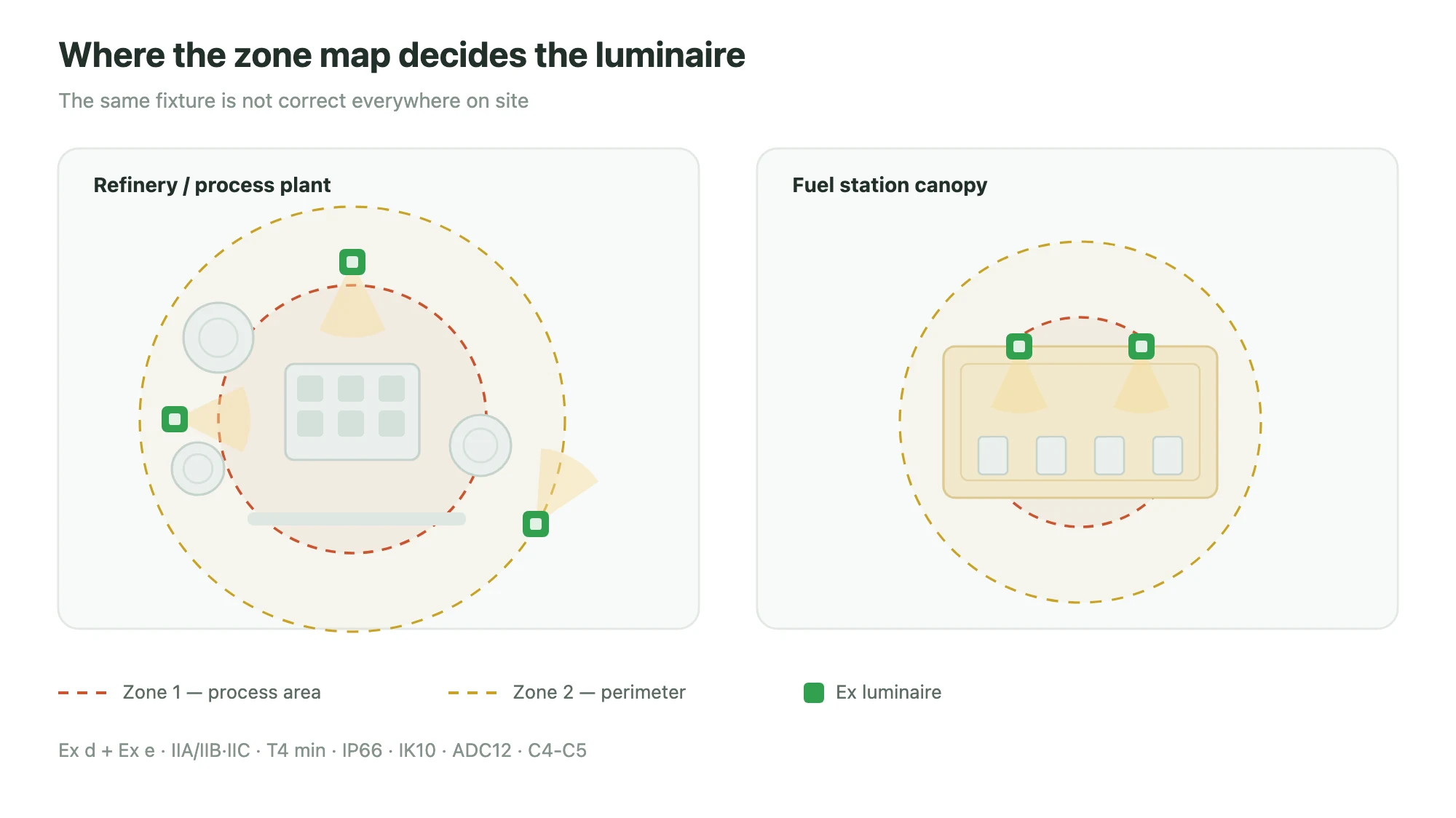
In a refinery the failure mode is not a dark walkway, it is a fire. Selection starts with the zone study and the T-class, and ends with a battery that is certified for the same area.
Read More →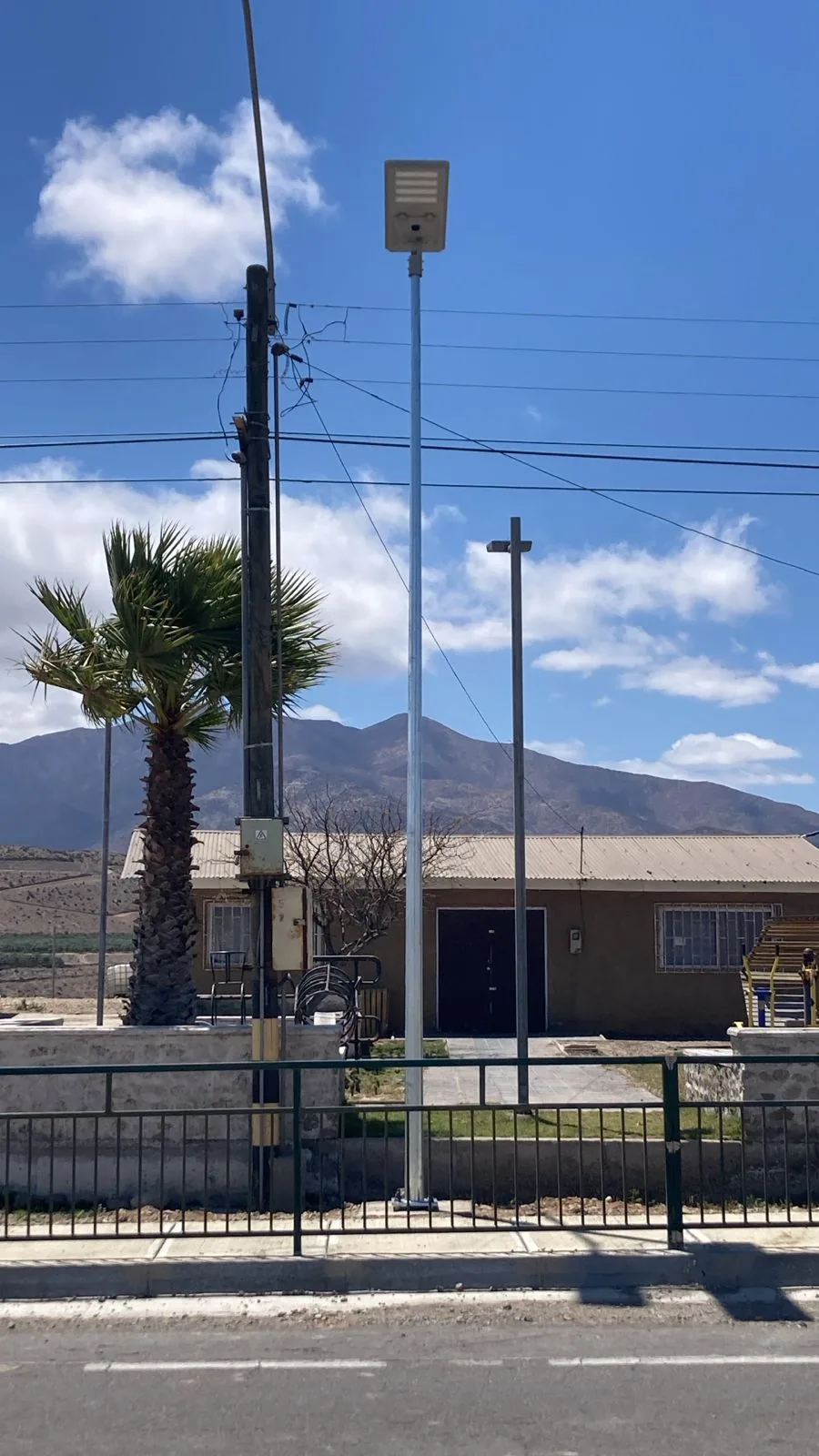
Grid extension, diesel, household lanterns or solar street lights? Four options compared over five years — and why the all-in-one light wins for public areas in off-grid villages.
Read More →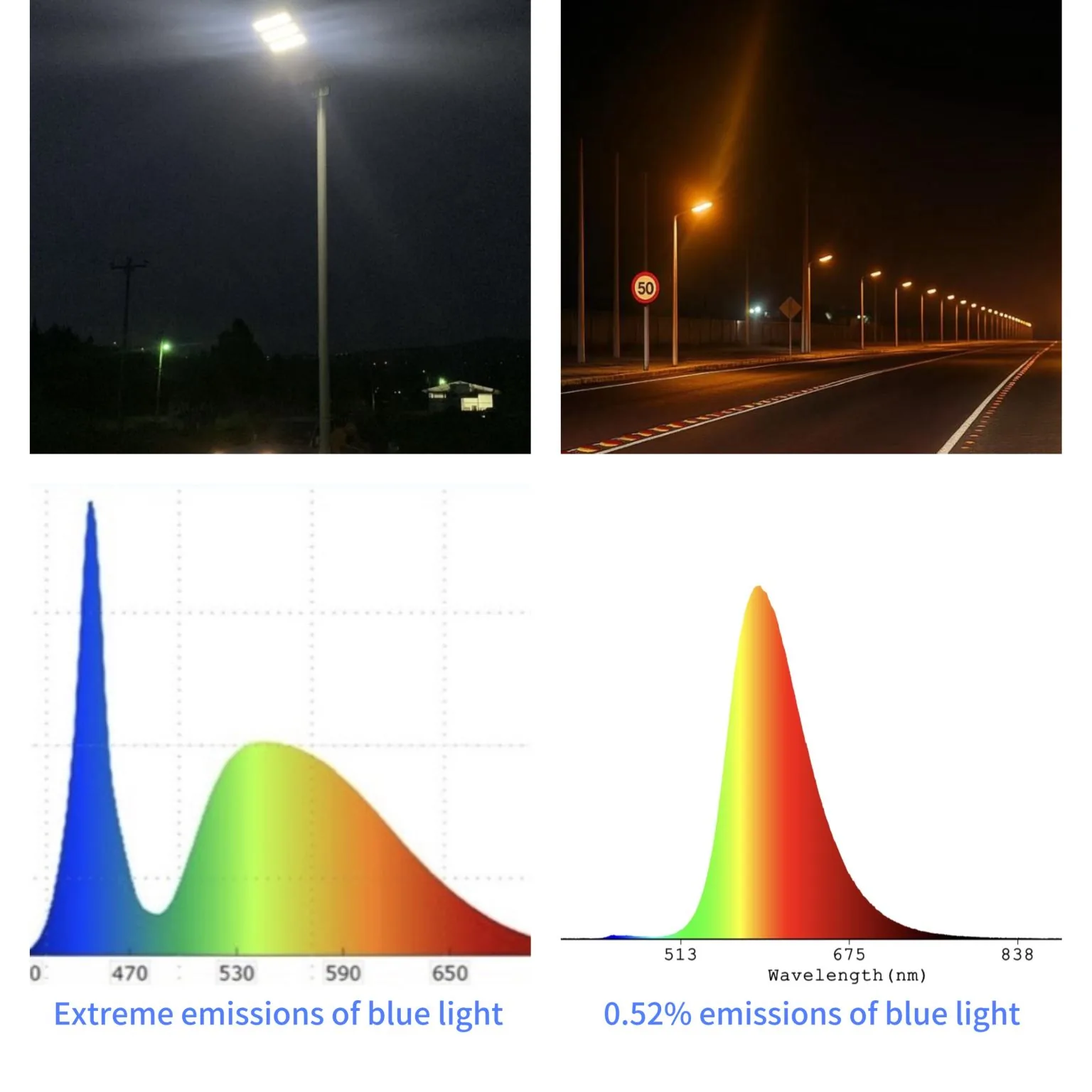
Why Chile, Spain, and France are Redefining Street Lighting: The Shift to Low Blue Light In the global race toward "Net Zero," the conversation around sustainability…
Read More →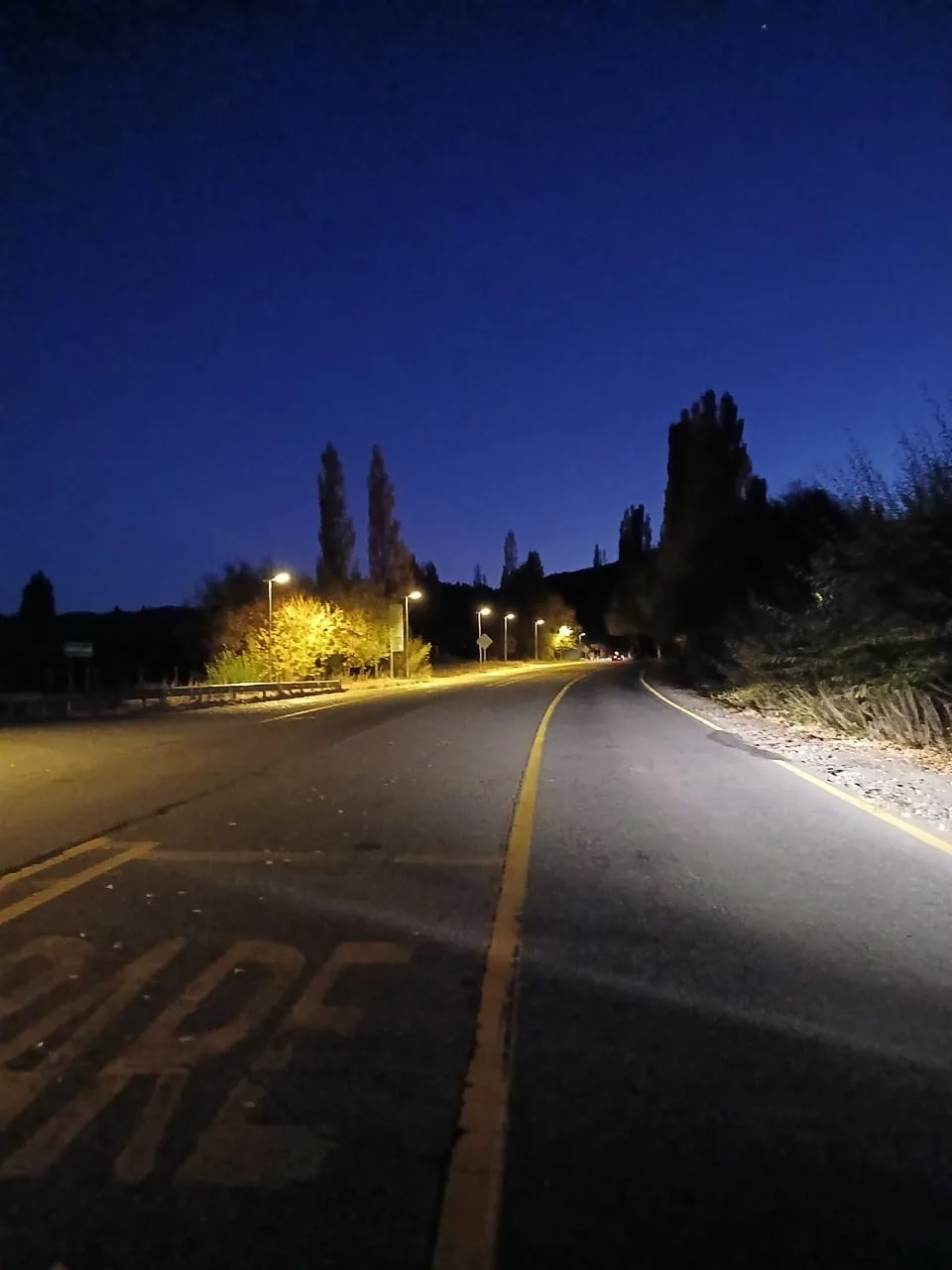
Solar Street Lighting in Lonquimay, Chile: Dark Sky Friendly with <7% Blue Light How Our <7% Blue Light Technology is Defining Sustainable Infrastructure at -5°C In…
Read More →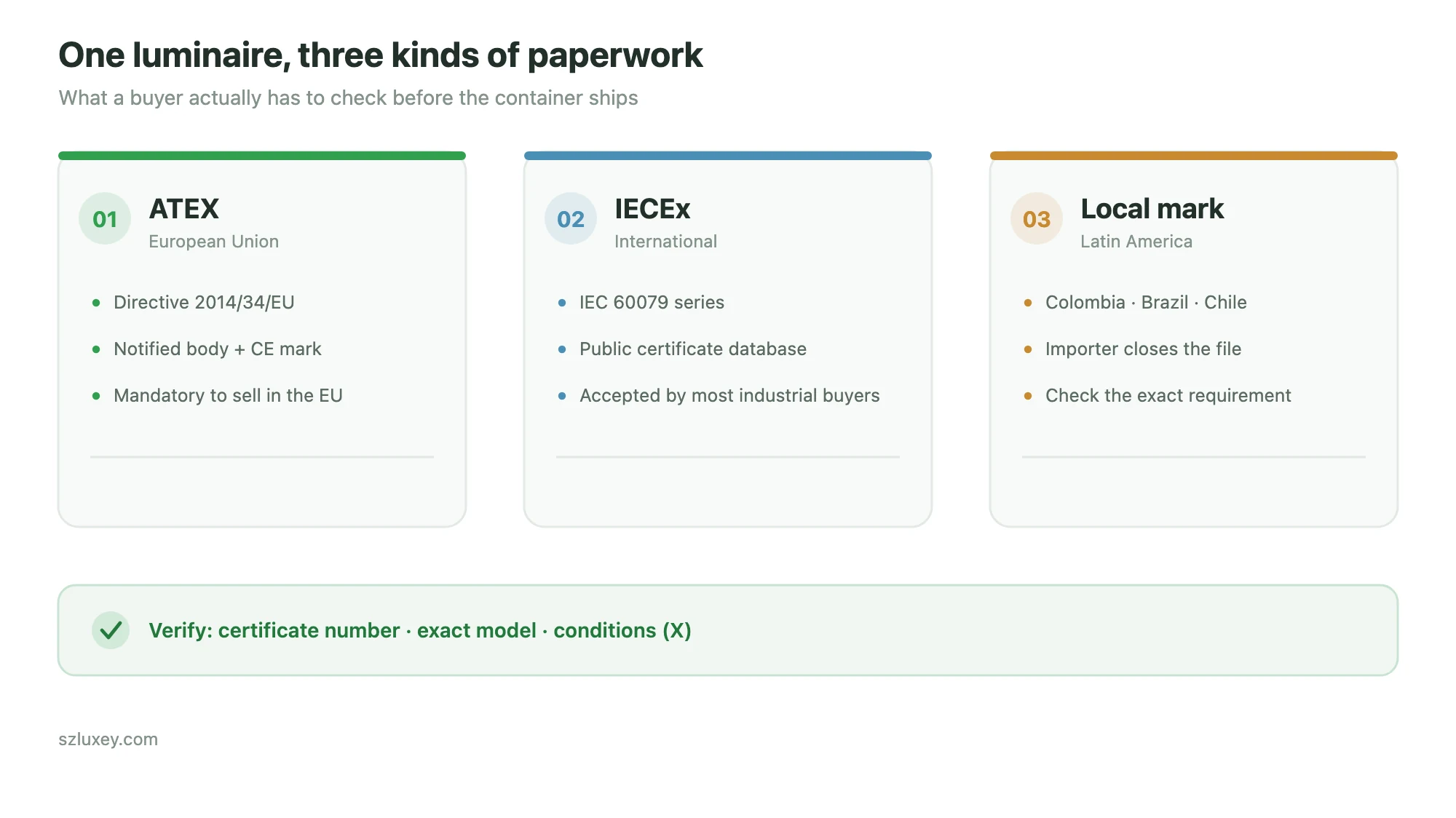
"Send me the price of an ATEX light" is not a specification. ATEX is European law, IECEx is the international system, and the local file is what actually stops the container.
Read More →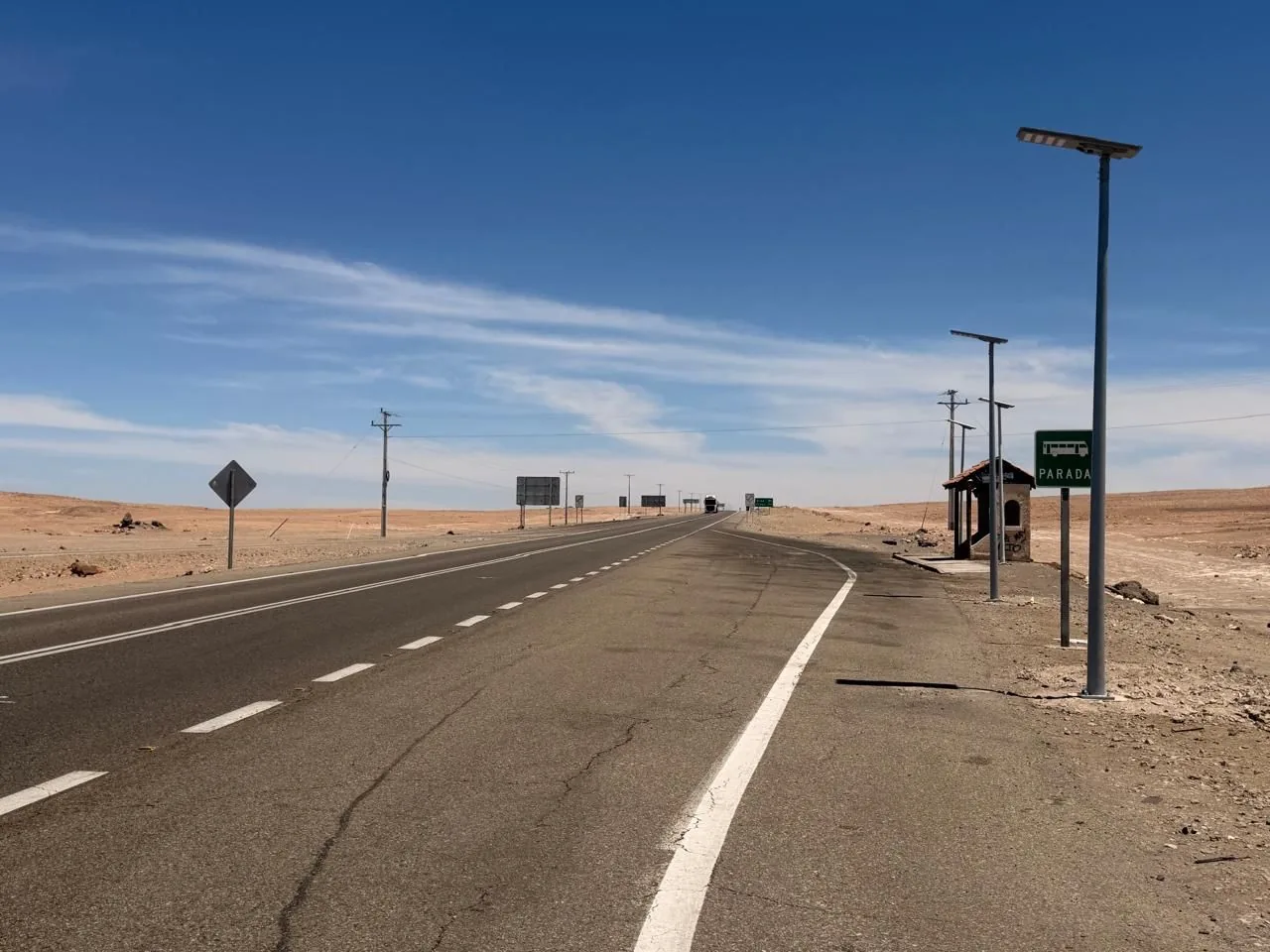
The warmest Christmas gift — Light Just this Christmas Eve, we successfully completed the solar streetlight installation project in the Chilean highlands. While the city…
Read More →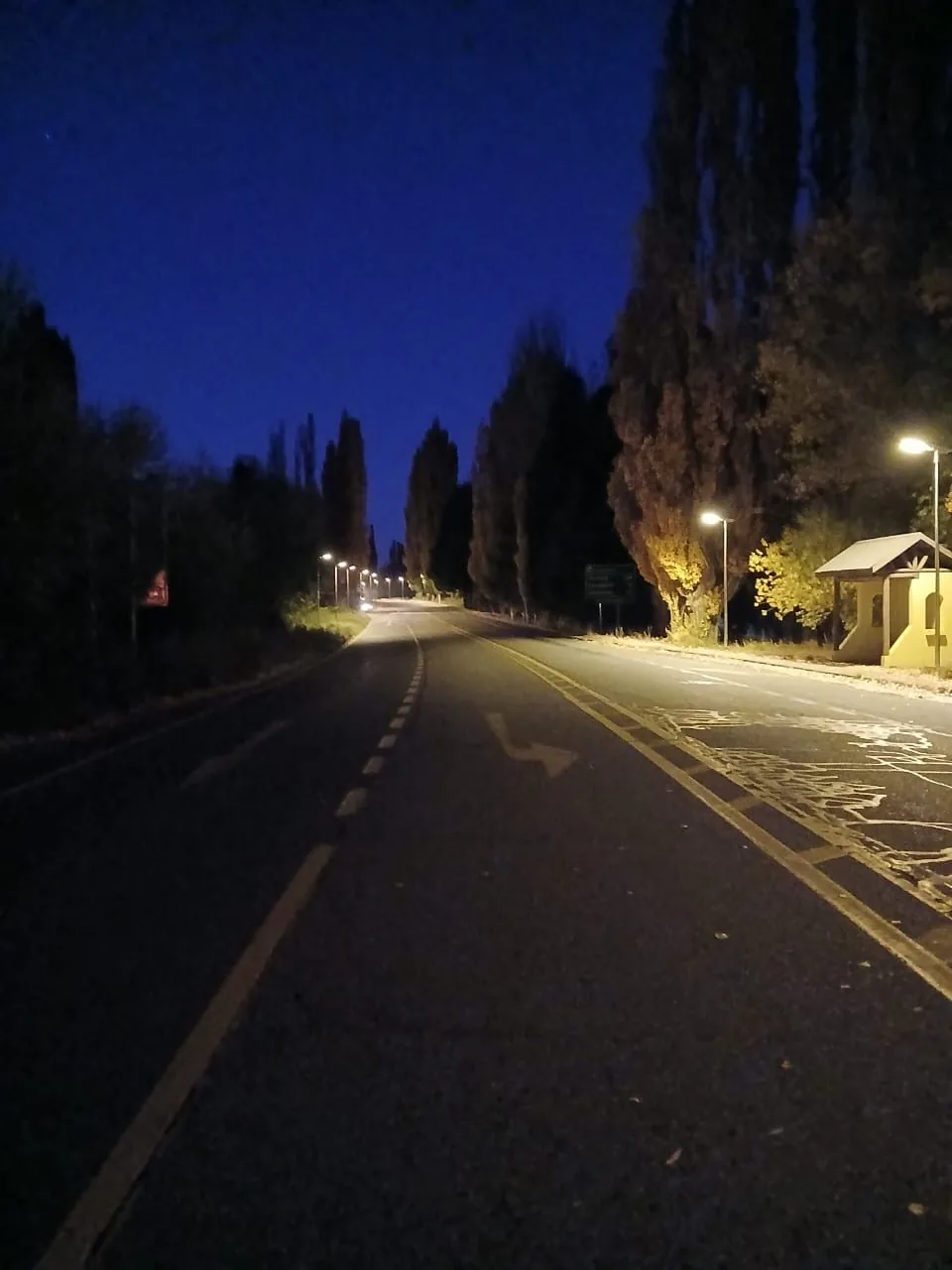
Cold is the smallest of the four things that decide whether the lamp is still on at 6 a.m. Snow on the panel, a panel facing the wrong way and a charger that ignores the thermometer are the other three.
Read More →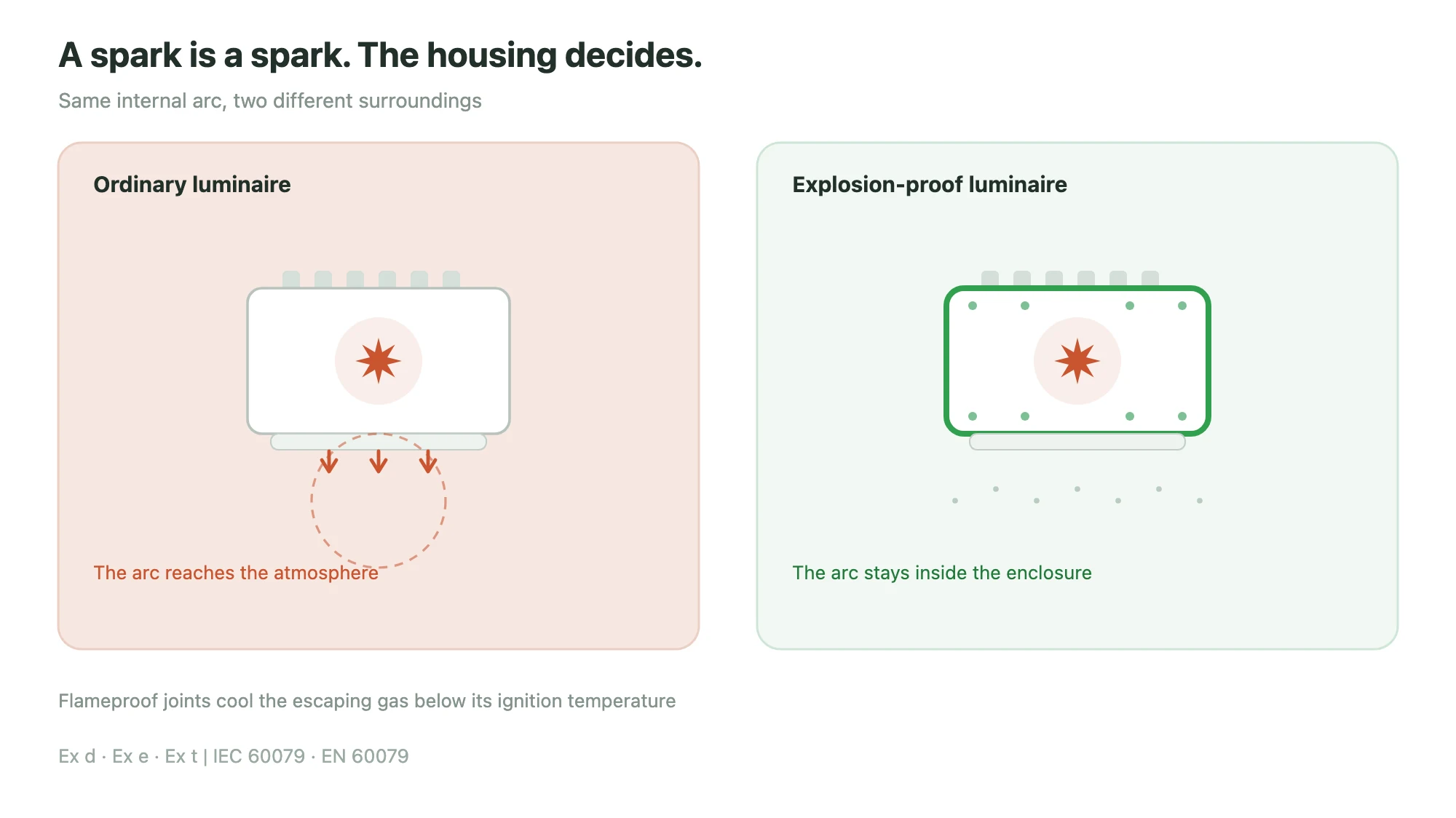
An explosion-proof luminaire is not a brighter light — it is a light whose housing keeps an internal spark away from the atmosphere outside. Here is how zones, gas groups and T-classes decide what you actually need.
Read More →
Expanding Application Fields of LED Infrared Beads 5. Localization Substitution: Enhancing the domestic production technology level of LED infrared beads, reducing…
Read More →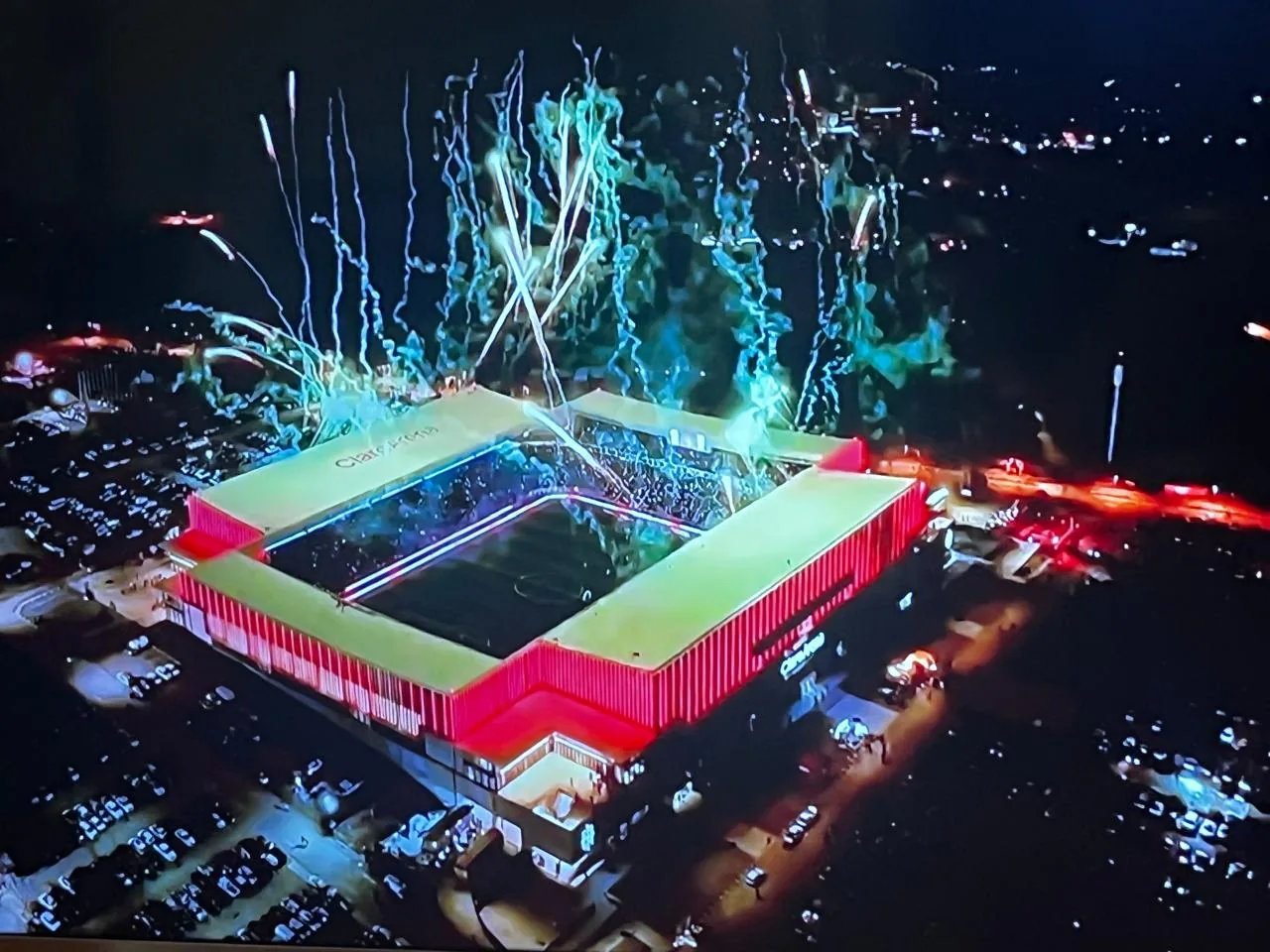
Claro Arena Stadium Inauguration-The most modern stadium in South America Claro Arena Stadium Inauguration-The most modern stadium in South America Our 300W luminaires…
Read More →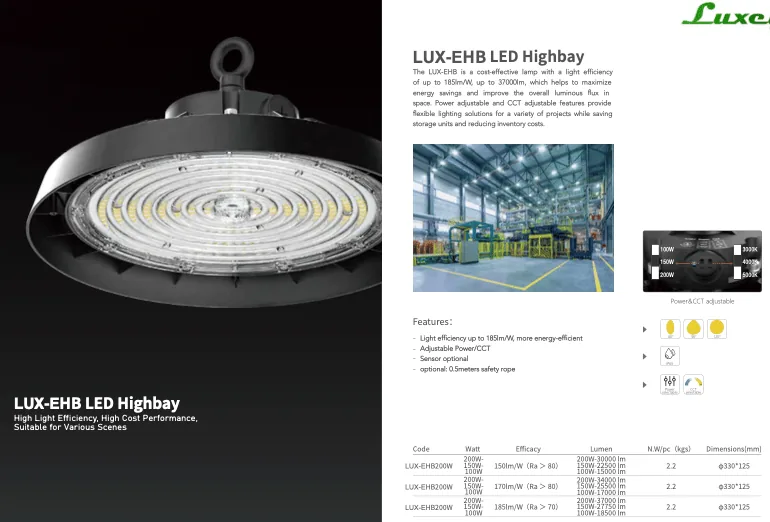
Adjustable DIP Switch Functionality: A Key Highlight at This Year’s Guangzhou International Lighting Exhibition According to analysts at TrendForce, products targeting…
Read More →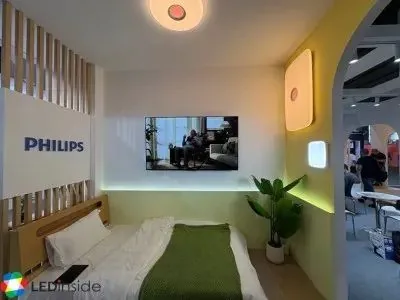
Age-Friendly Lighting Gains Industry Attention as Key Market Segment The age-friendly lighting market has captured significant attention from enterprises this year,…
Read More →
Backlight and Dual-side Lighting Designs Gain Popularity, Creating Multi-dimensional Spatial Experiences At this year's Guangzhou International Lighting Exhibition…
Read More →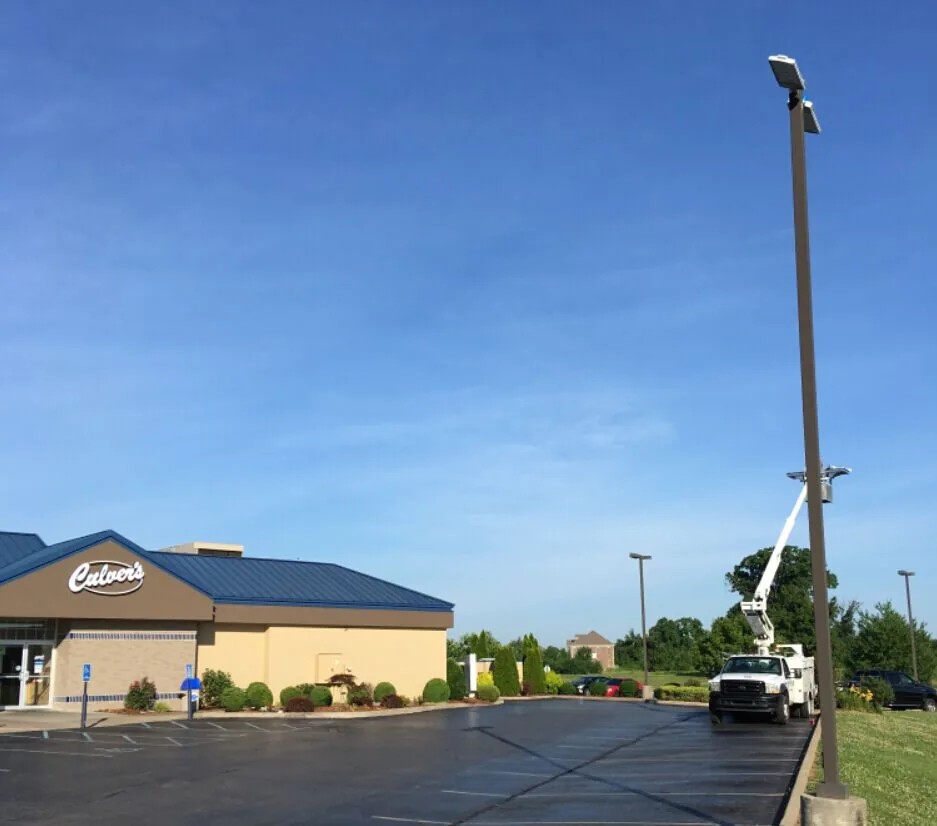
Not every road needs a 220 lm/W flagship. The AIOH series is the practical line: 200 lm/W, SMD3030, LiFePO4, a 3-year warranty and 3–5 nights of rainy-day autonomy.
Read More →
AI Technology Accelerates the Development of Smart Lighting Applications The rapid development of AI technology is empowering various industries, and the LED lighting…
Read More →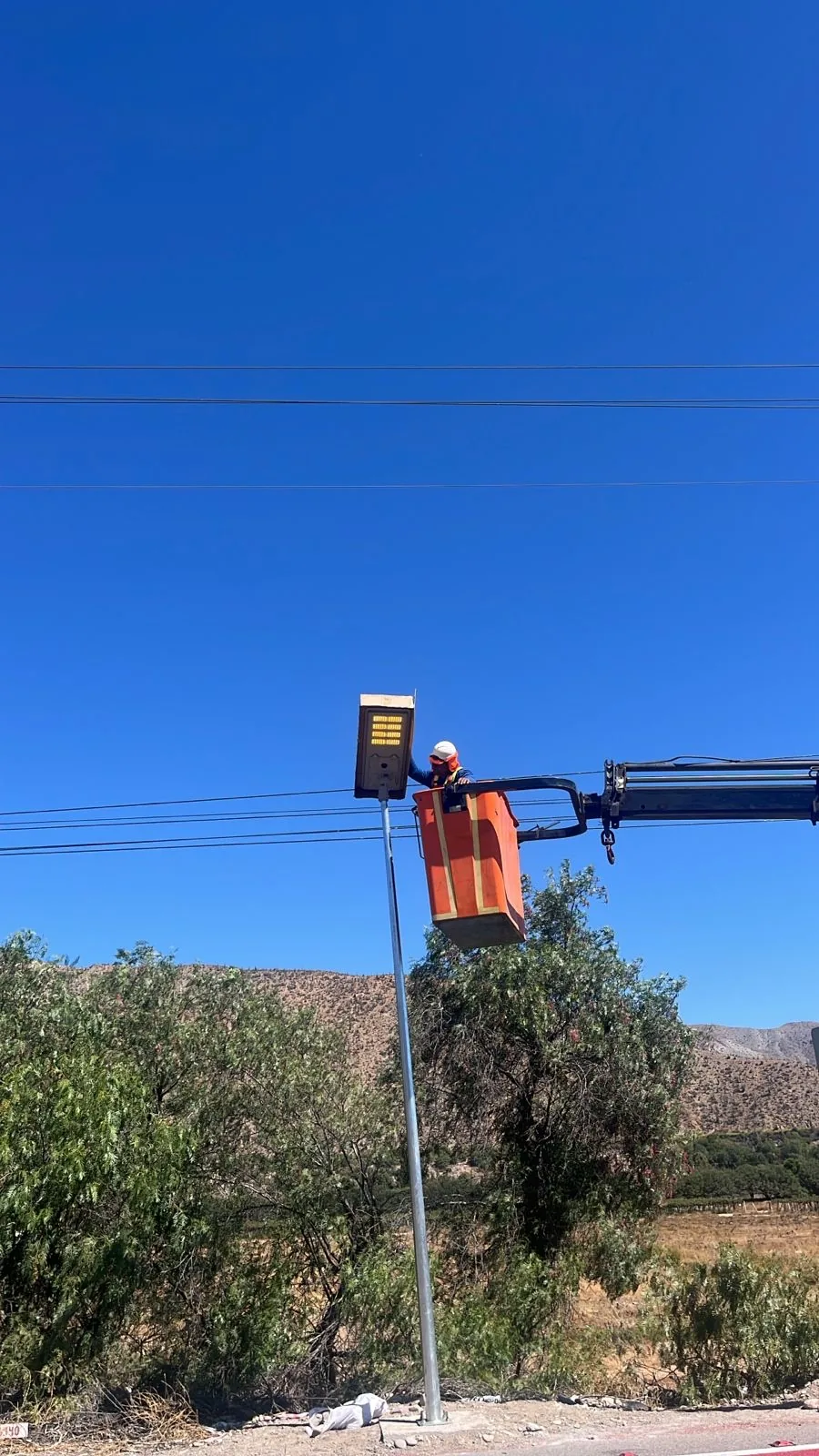
Do you know what will dominate lighting technology in the near future? Do you know what will dominate lighting technology in the near future? Want to secure your market…
Read More →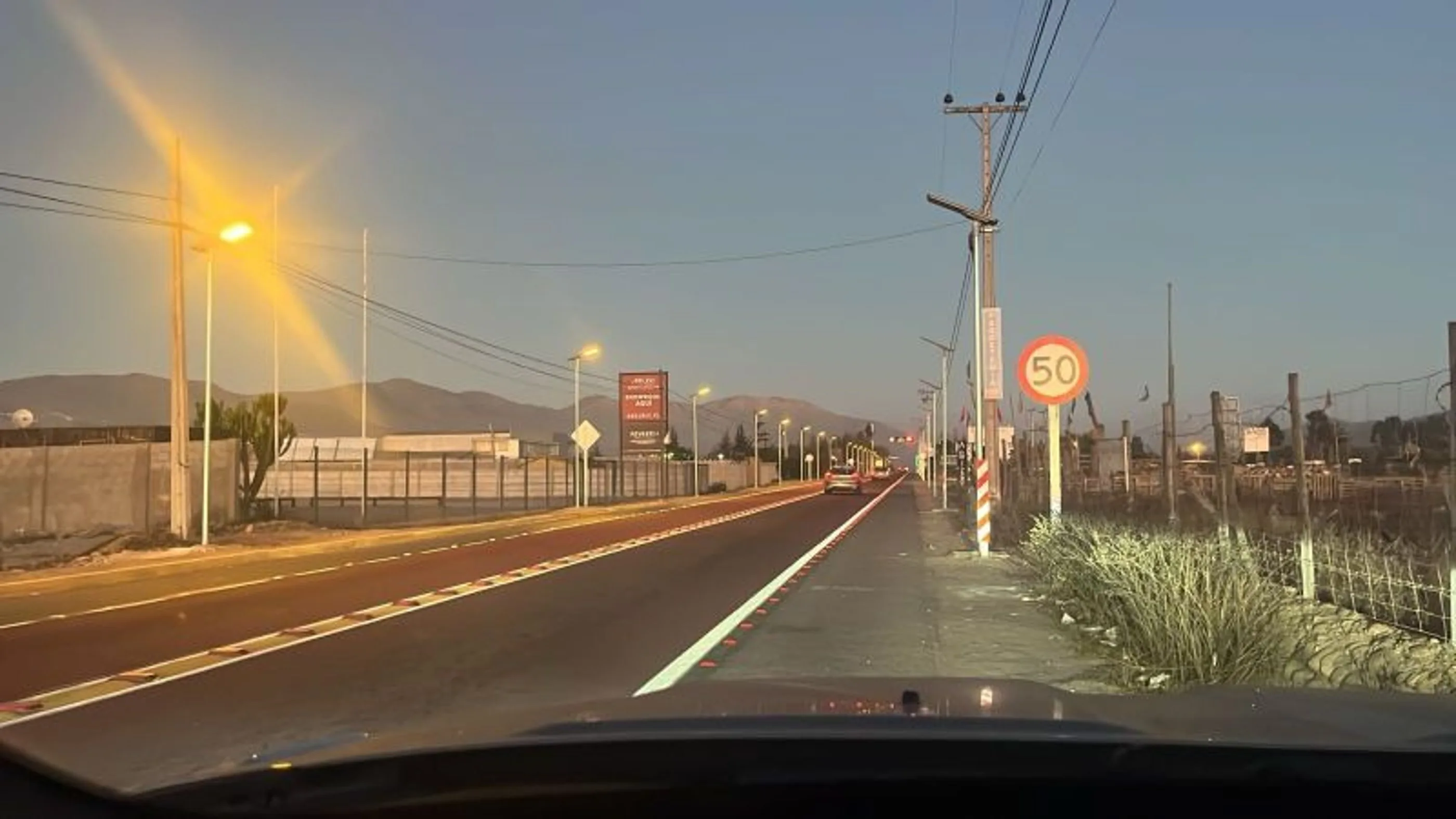
Illuminate the Late Night At 4:30 AM local time in Chile - well past midnight - our client personally drove to the site to conduct an additional inspection of the…
Read More →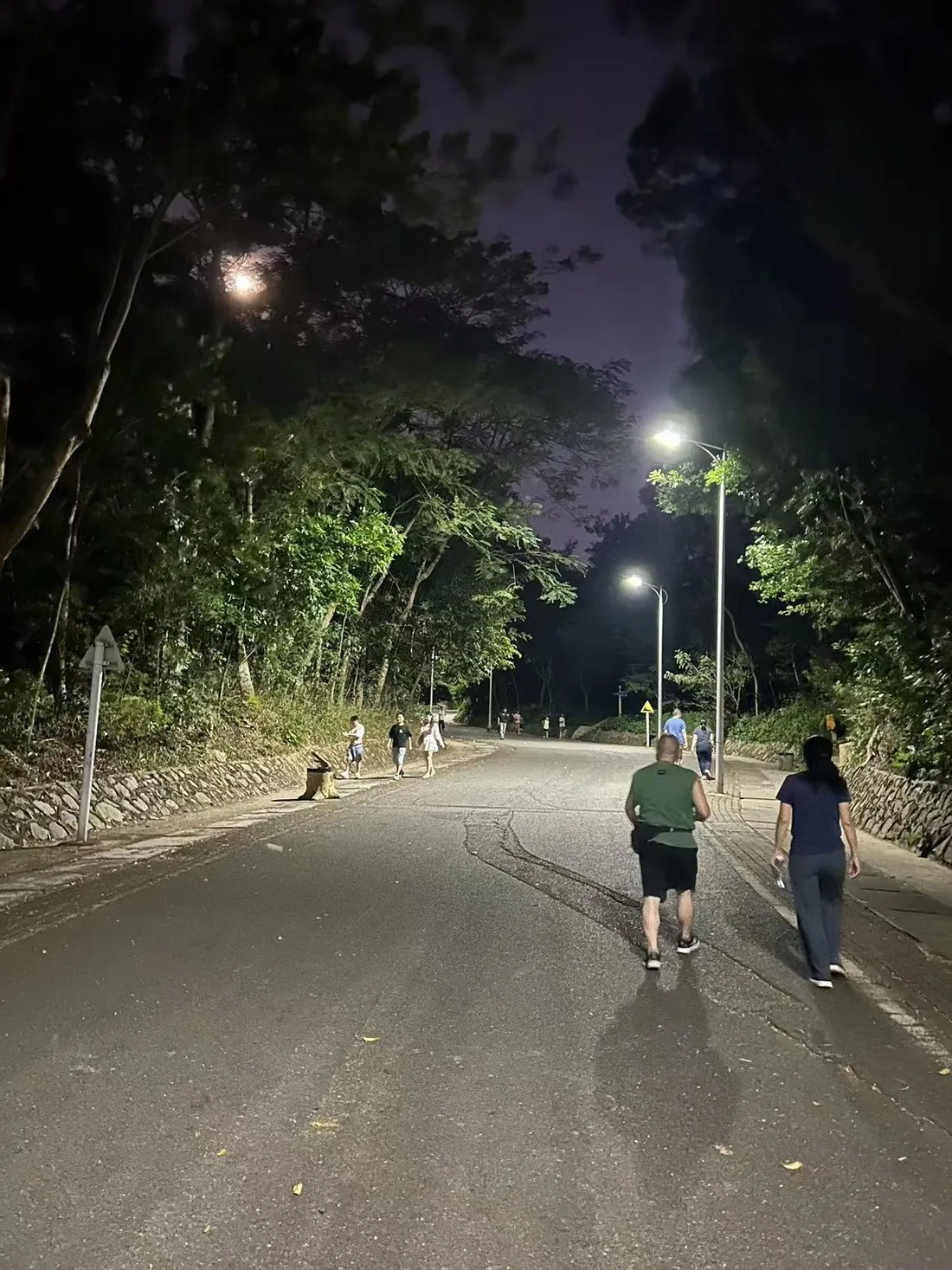
A fixed clock cannot follow a moving sun, and a timer keeps its schedule when the battery cannot. What four timer failures cost, and what sensor control changes.
Read More →
The sample passes; month 18 is what decides the project. Five garden light failures that don't show up in a three-day sample, and the six questions to ask first.
Read More →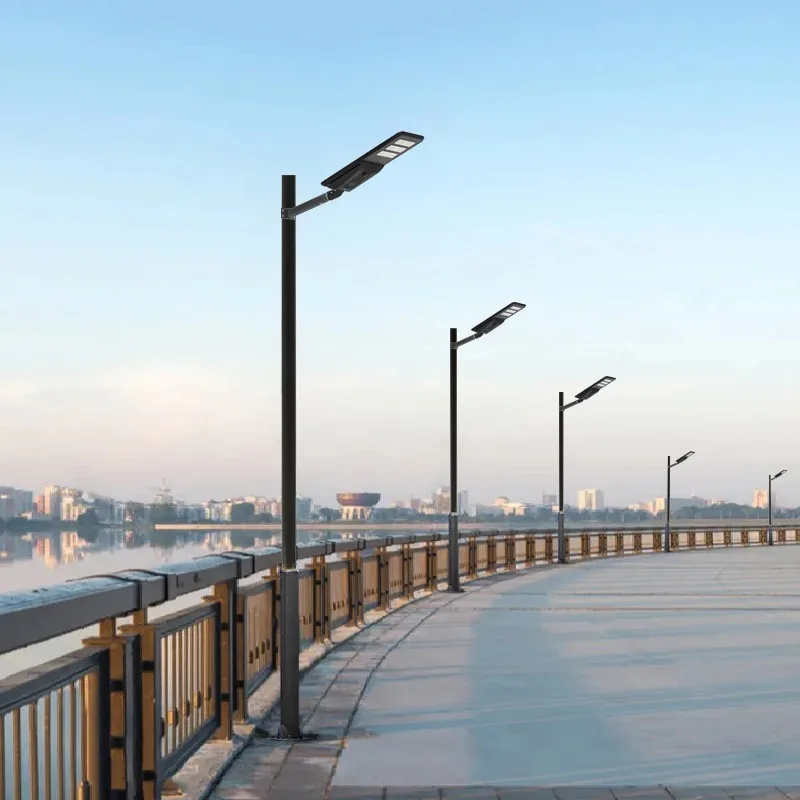
A datasheet you can falsify in thirty seconds: divide lumens by watts, then check the battery, the MPPT driver, the optics and the paperwork.
Read More →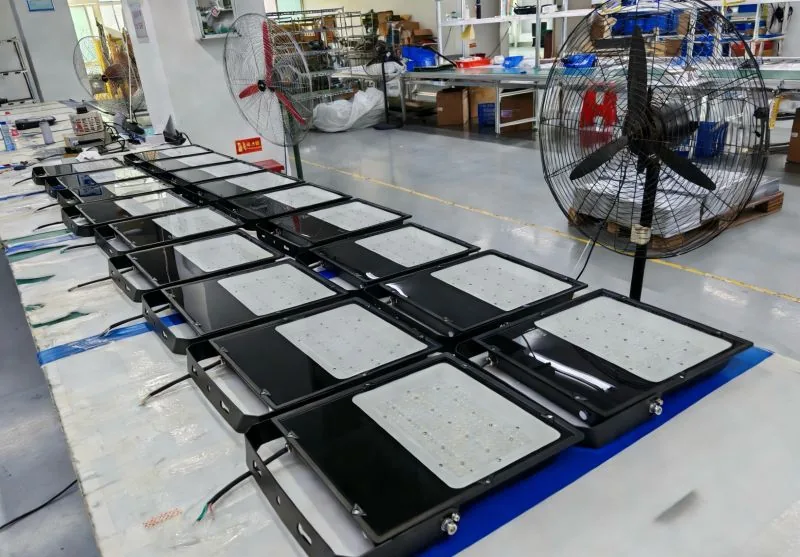
What challenges have you faced when selecting LED flood lights? In architectural lighting, garden illumination, or commercial applications, a high‑quality LED flood…
Read More →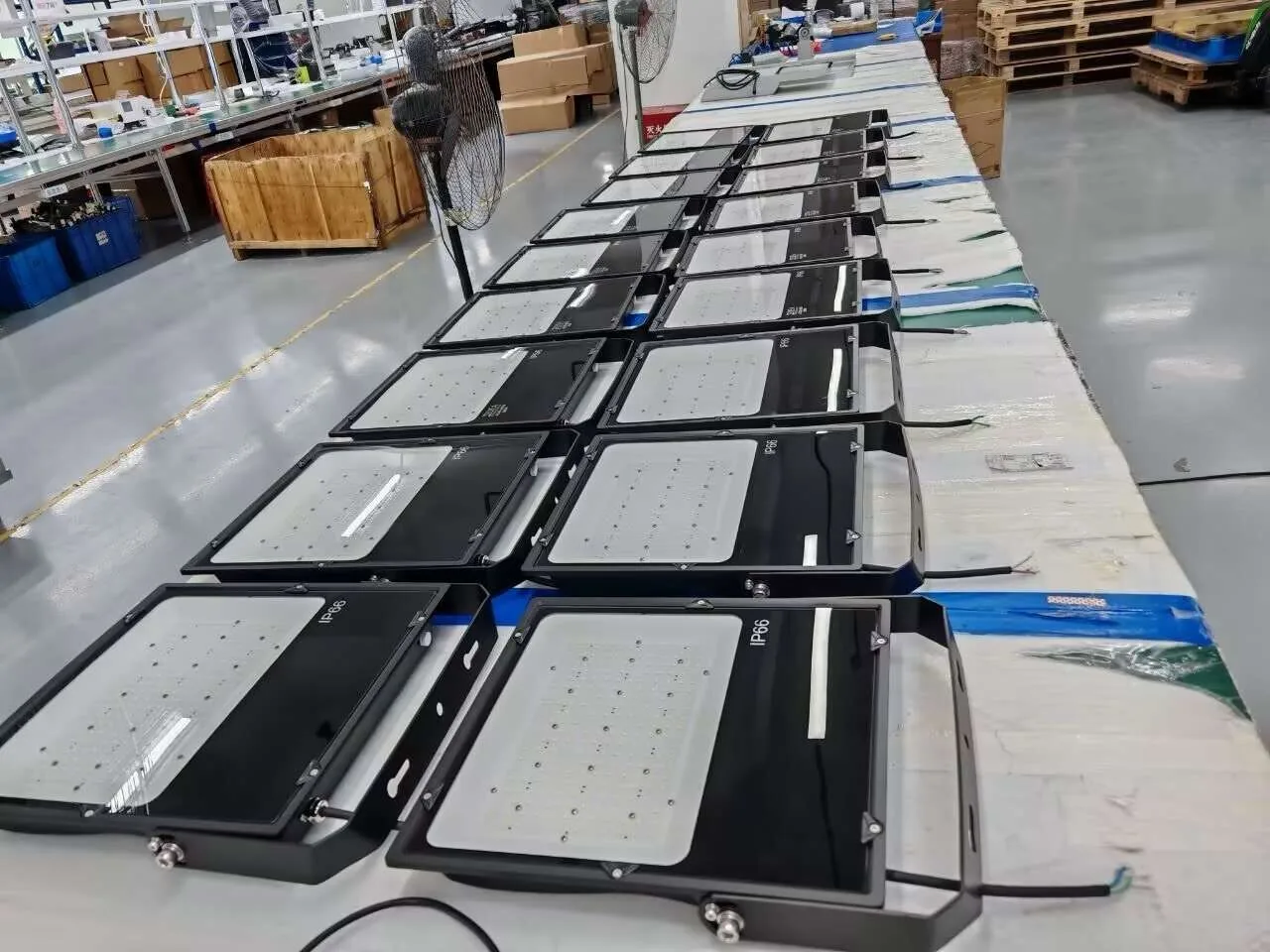
What kind of supplier do you prefer? Do you recognize the light fixture in the picture? Yes, it's a standard IP66 floodlight. A client from Latin America ordered 350…
Read More →