
Last updated:
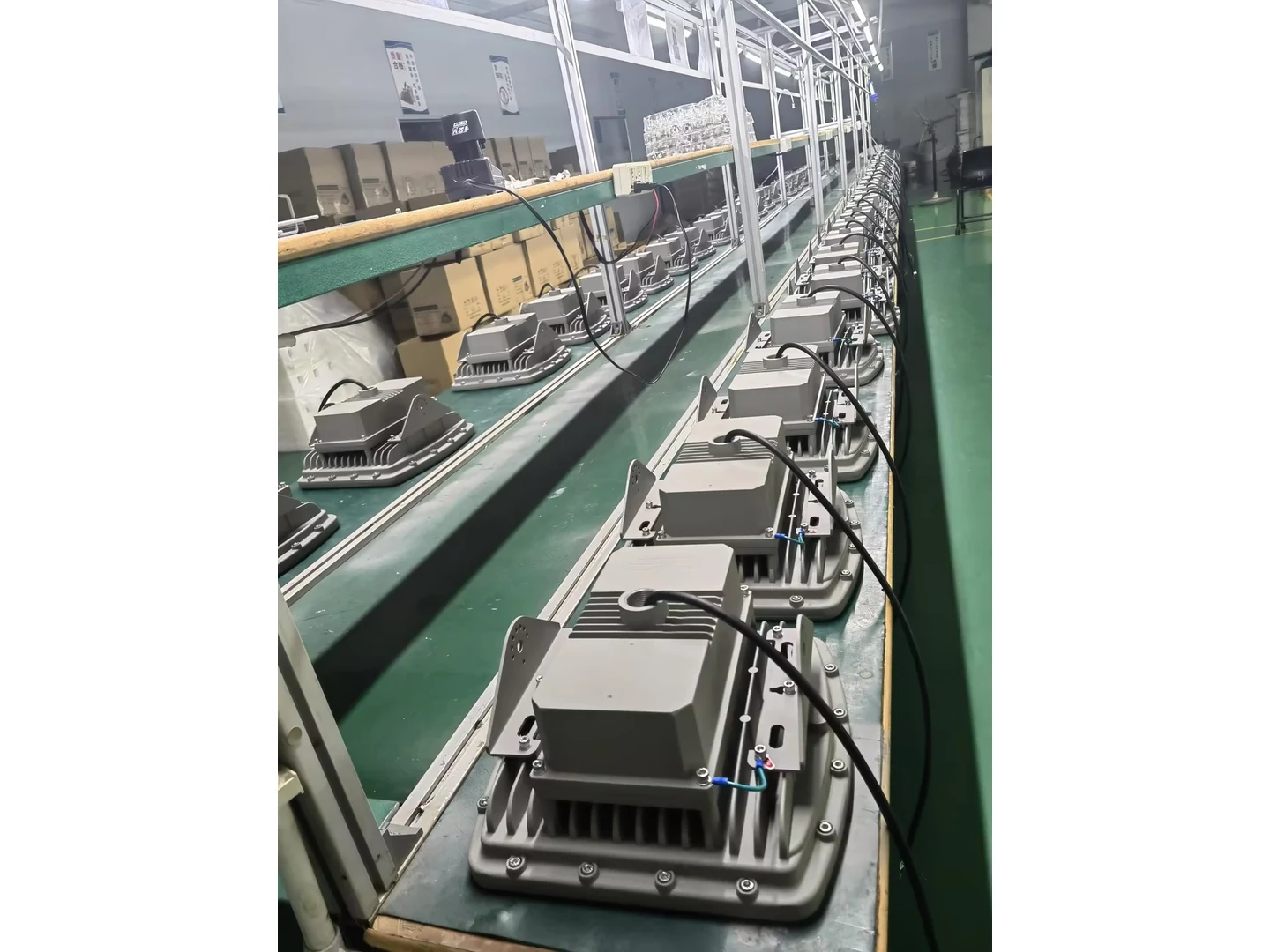
Luxey Lighting (Shenzhen Luxey Co., Ltd.) has built ATEX explosion-proof lights in Shenzhen since 2007. The AEL floodlight runs 20–200 W at 110–130 lm/W and up to 24,000 lm, marked II 2G Ex eb mb op is IIC T4 Gb and II 2D Ex op is tb IIC T95 °C Db under certificate IEP 19ATEX 0714, with IECEx Ex ec IIC T4 Gc, IP66, −40 to +40 °C and a 50,000-hour rating. The AELL linear body runs 20–100 W at 120–140 lm/W with T5/T75 ratings and Gb on both ATEX and IECEx. MEAN WELL HLG drivers and M25 cable entries are standard; lead time is 7–15 days with the full certificate pack.
Two housings cover the same hazardous areas from different mounting heights. The floodlight does the perimeter and apron work from a pole or a wall bracket; the linear body follows walkways, racks and low ceilings. Both carry ATEX and IECEx Gb, so the choice is geometry, beam and bracket — not certification.
| Model | Format | Power | Efficacy and output | Zones covered | IP rating |
|---|---|---|---|---|---|
| LUX-AEL | Floodlight | 20–200 W | 110–130 lm/W, up to 24,000 lm | 1, 2, 21, 22 | IP66 |
| LUX-AELL | Linear | 20–100 W | 120–140 lm/W, up to 14,000 lm | 1, 2, 21, 22 | IP66 |
| High bay | Independent flameproof chambers | On request | On request | Per project | IP66 |
For the full reasoning behind the two formats, read how the housing format decides the model.
Send those four lines and the answer comes back with the model, the beam angle, the bracket and the certificate pack. Lead time is 7–15 days, and the ATEX and IECEx documents ship with the order rather than after it.
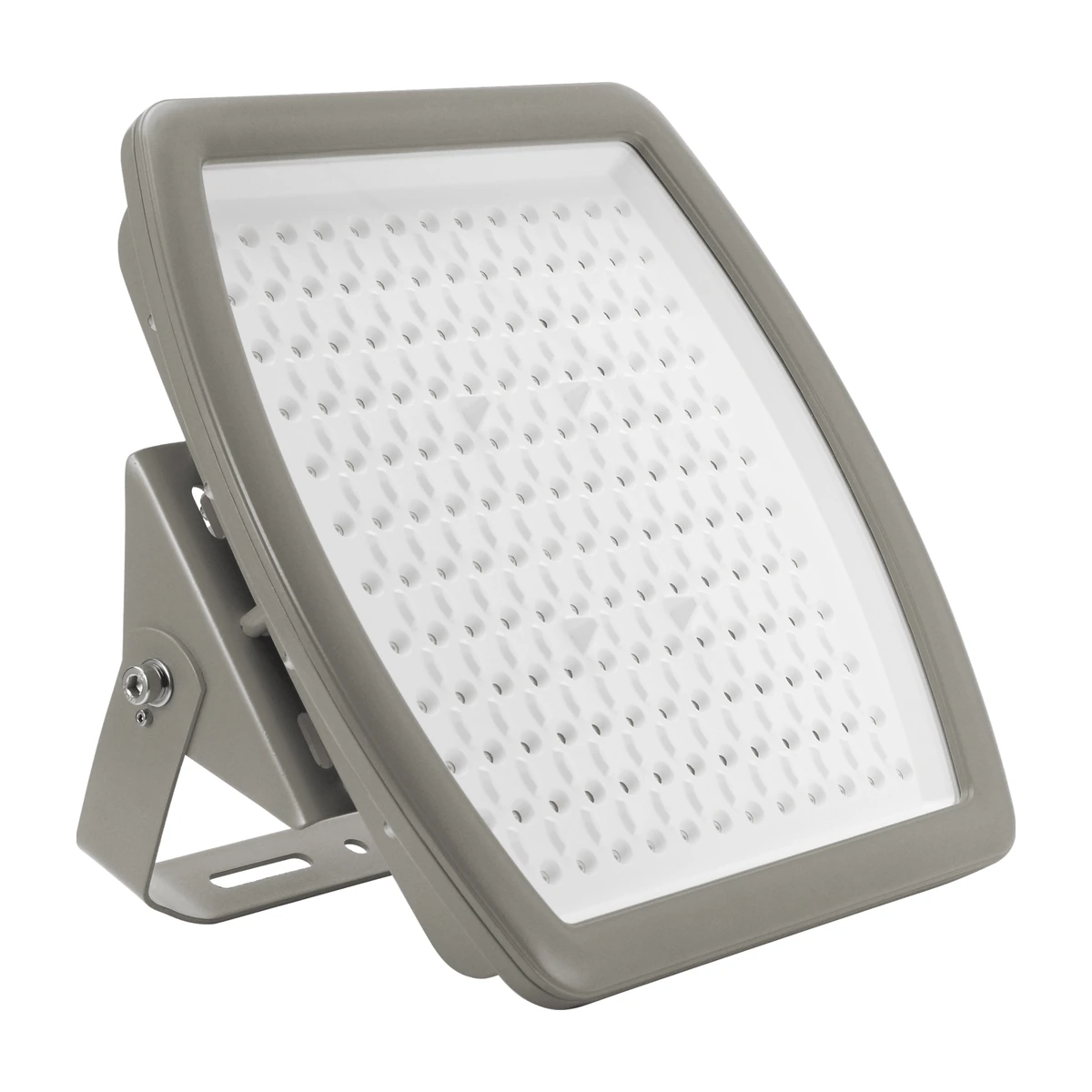
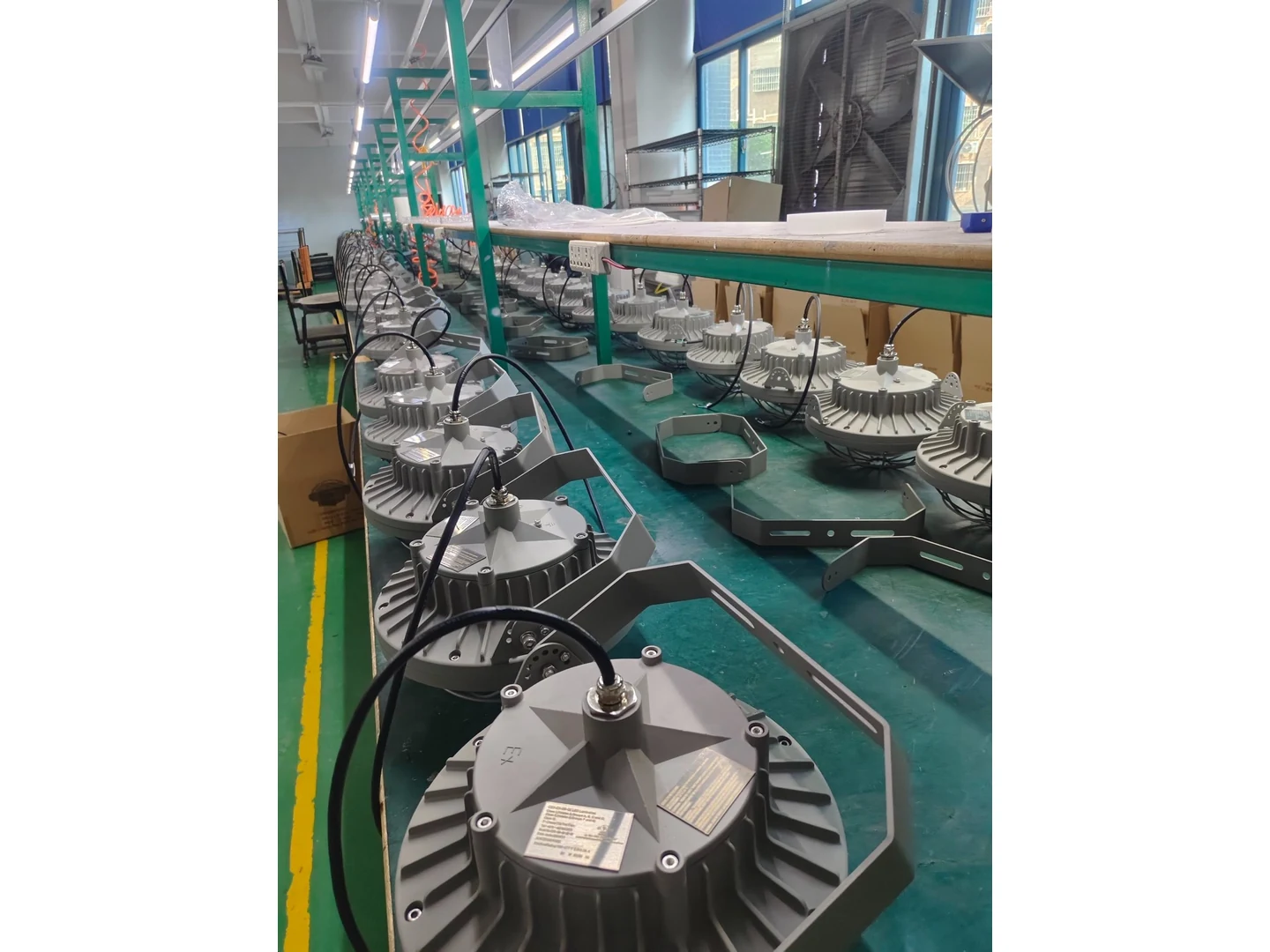
The LUX-AEL Series explosion-proof floodlight delivers over 50,000 hours of reliable performance, cutting maintenance by up to 70% compared to traditional lighting. Featuring high luminous efficiency, precision optics, and multiple beam angles, it ensures optimal lighting in hazardous environments.
Constructed with ADC12 die-cast aluminum and tempered glass, it offers excellent shock and vibration resistance. Multiple mounting options support a wide range of installations.
| Parameter | LUX-AEL20 / 30 / 40 | LUX-AEL60 / 80 / 100 | LUX-AEL120 / 150 / 180 / 200 |
|---|---|---|---|
| Rated power | 20 / 30 / 40 W | 60 / 80 / 100 W | 120 / 150 / 180 / 200 W |
| Luminous efficacy | 110–130 lm/W | ||
| Luminous flux | 2,400 / 3,600 / 4,800 lm | 7,200 / 9,600 / 12,000 lm | 14,400 / 18,000 / 21,600 / 24,000 lm |
| Voltage and frequency | 100–277 Vac, 50–60 Hz | ||
| Colour temperature | 5,000 K standard, 2,700–6,500 K on request | ||
| CRI (Ra) | ≥70 | ||
| Beam angle | 15° / 60° / 90° / 108° / 120° | ||
| Driver | MeanWell HLG, MeanWell XLG on the 200 W version, NTC sensor on the PCB | ||
| Power factor | >0.95 | ||
| THD | <10% | ||
| Rated life (L70) | 50,000 hours | ||
| Operating temperature | -40 °C to +40 °C | ||
| Cable entry | M25×1.5 standard, M26×1.5 or 3/4"-14 NPT optional | ||
| Cable | Three-core rubber cable, IEC (CE) approved, 0.5 m standard | ||
| Certificate | Marking as printed on the nameplate |
|---|---|
| ATEX, gas | II 2G Ex eb mb op is IIC T4 Gb |
| ATEX, dust | II 2D Ex op is tb IIC T95 °C Db |
| ATEX certificate | IEP 19ATEX 0714 |
| IECEx, gas | Ex ec IIC T4 Gc |
| Ingress protection | IP66 |
T4 caps the surface at 135 °C in gas; T95 °C is the same limit for a dust layer, so the fixture can sit where the dust blanket is thick. Note the IECEx entry reads Gc, which covers Zone 2 — the ATEX certificate is the one that carries Zone 1 for this model. Where a project needs IECEx coverage of Zone 1 as well, the LUX-AELL linear series below is certified Ex eb mb IIC T5 Gb.
| Model | Fixture (L × W × H) | Carton | Net weight | Gross weight |
|---|---|---|---|---|
| LUX-AEL20 / 30 / 40 | 200 × 200 × 147 mm | 255 × 255 × 215 mm | 4.0 kg | 5.0 kg |
| LUX-AEL60 / 80 / 100 | 300 × 300 × 165 mm | 375 × 375 × 245 mm | 7.0 kg | 9.0 kg |
| LUX-AEL120 / 150 / 180 / 200 | 400 × 400 × 169 mm | 470 × 470 × 250 mm | 10.5 kg | 12.0 kg |
One fixture per carton. The 200 W version uses the larger XLG driver, so check the 12 kg gross weight against your container or air-freight budget before you fix the quantity.
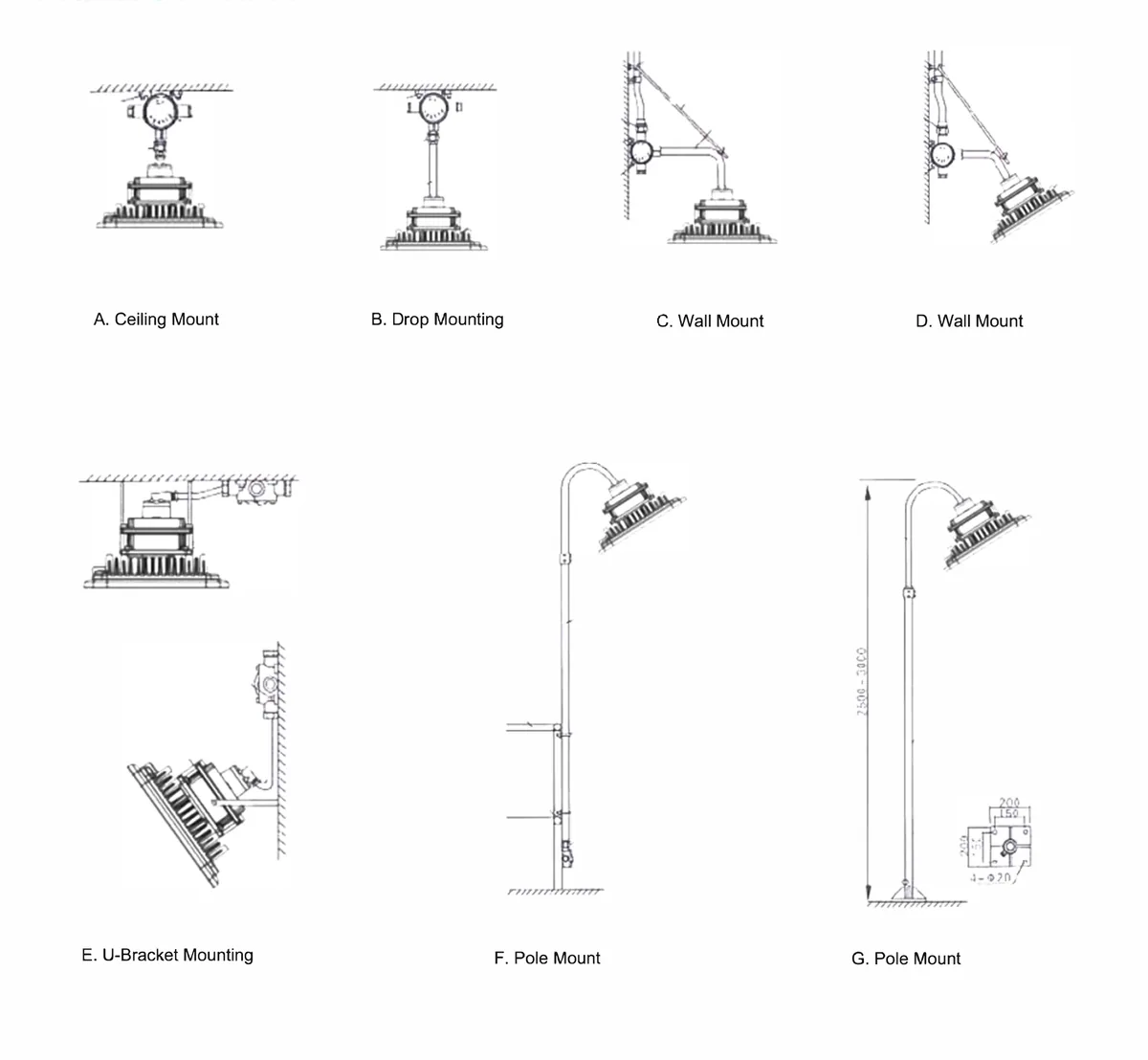
Ceiling, drop tube, two wall brackets, a U-bracket with an adjustable tilt, and two pole mounts — the last one with a 3 m to 5 m column for perimeter and apron lighting. Tell us the bracket you need at the quotation stage; it ships with the fixture, not as a separate line item.
Designed with independent flameproof chambers for wiring, power supply, and light source, this explosion-proof high bay light prevents internal sparks from escaping, ensuring maximum safety. With an IP66 rating and resistance to 7J shock and vibration, it offers superior performance compared to traditional HPS, metal halide, and halogen explosion-proof lamps.
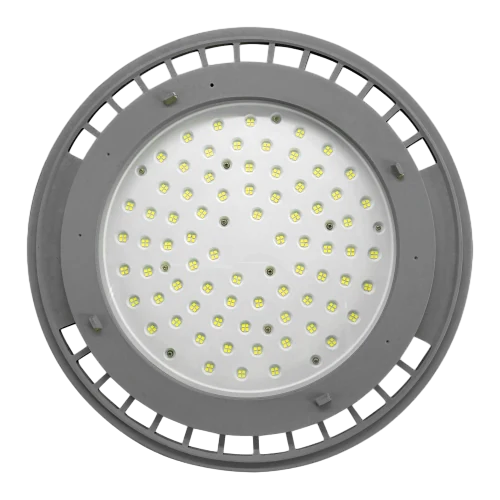
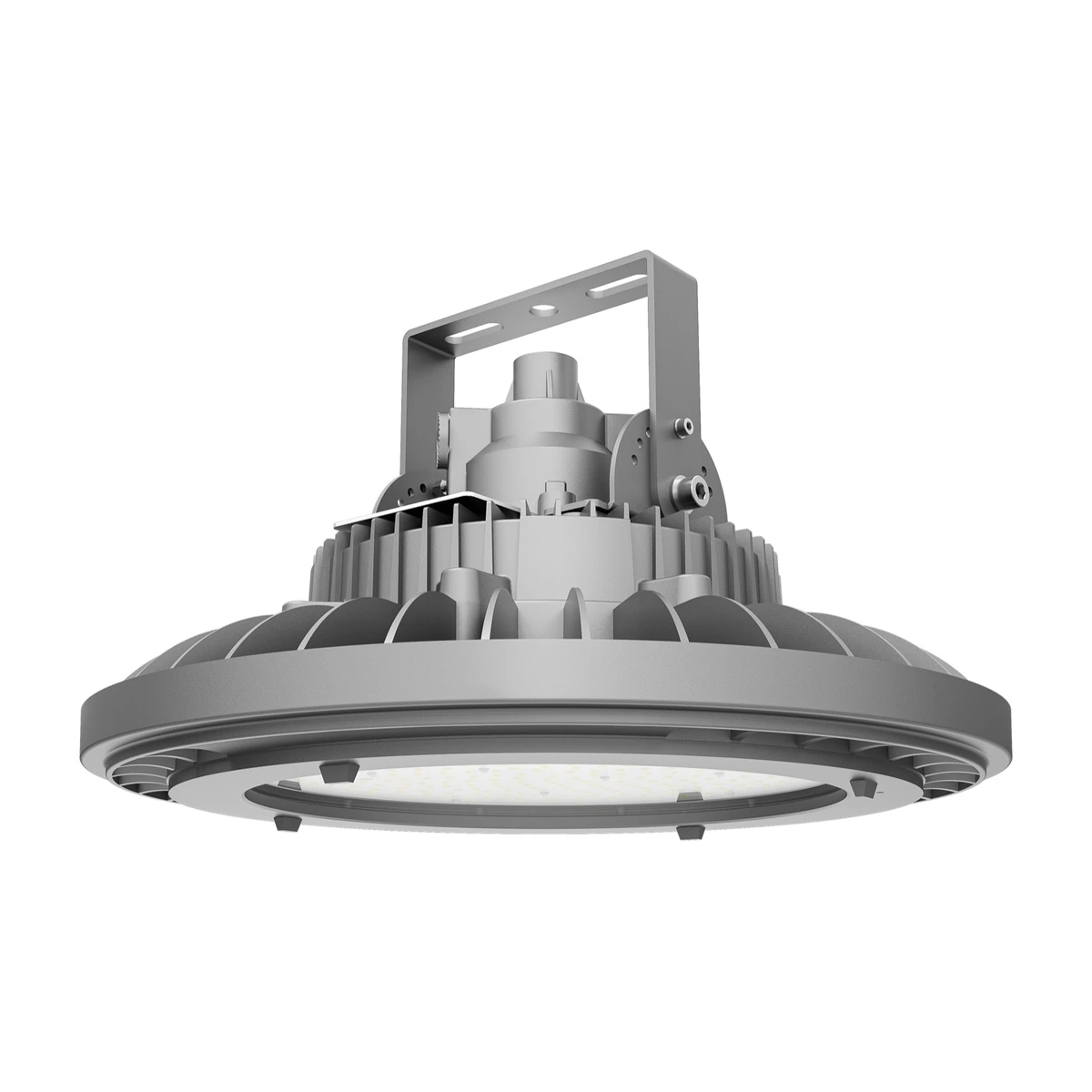
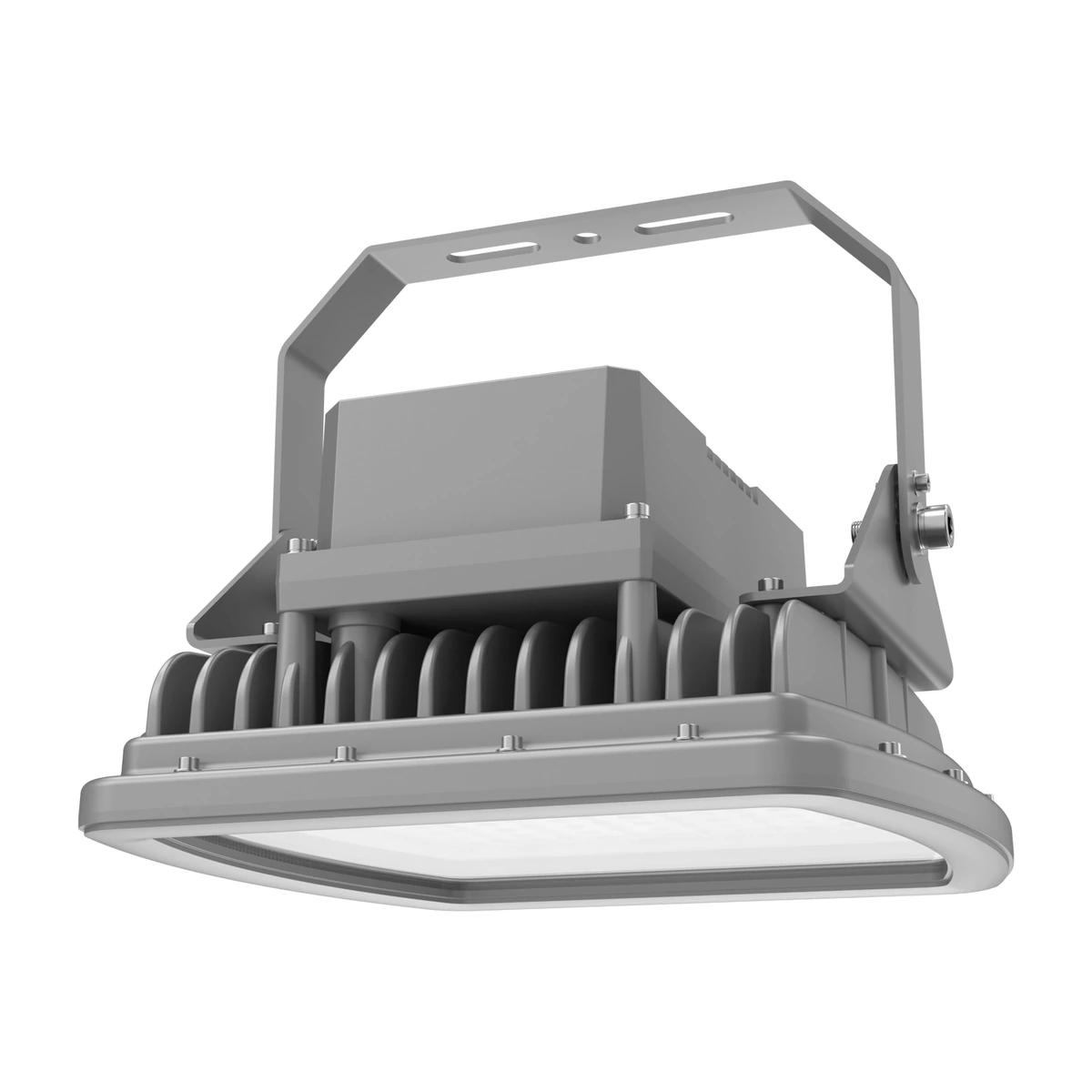
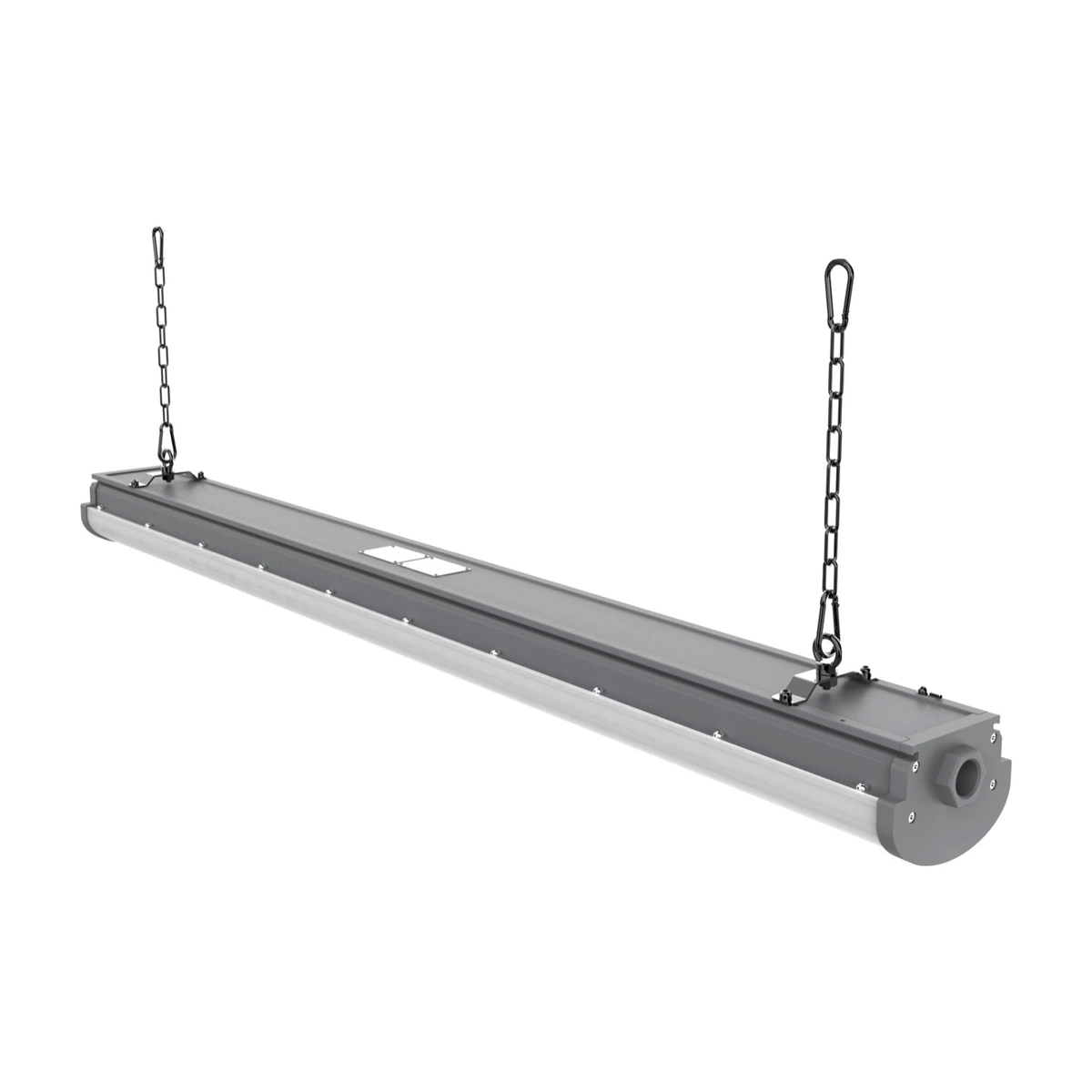
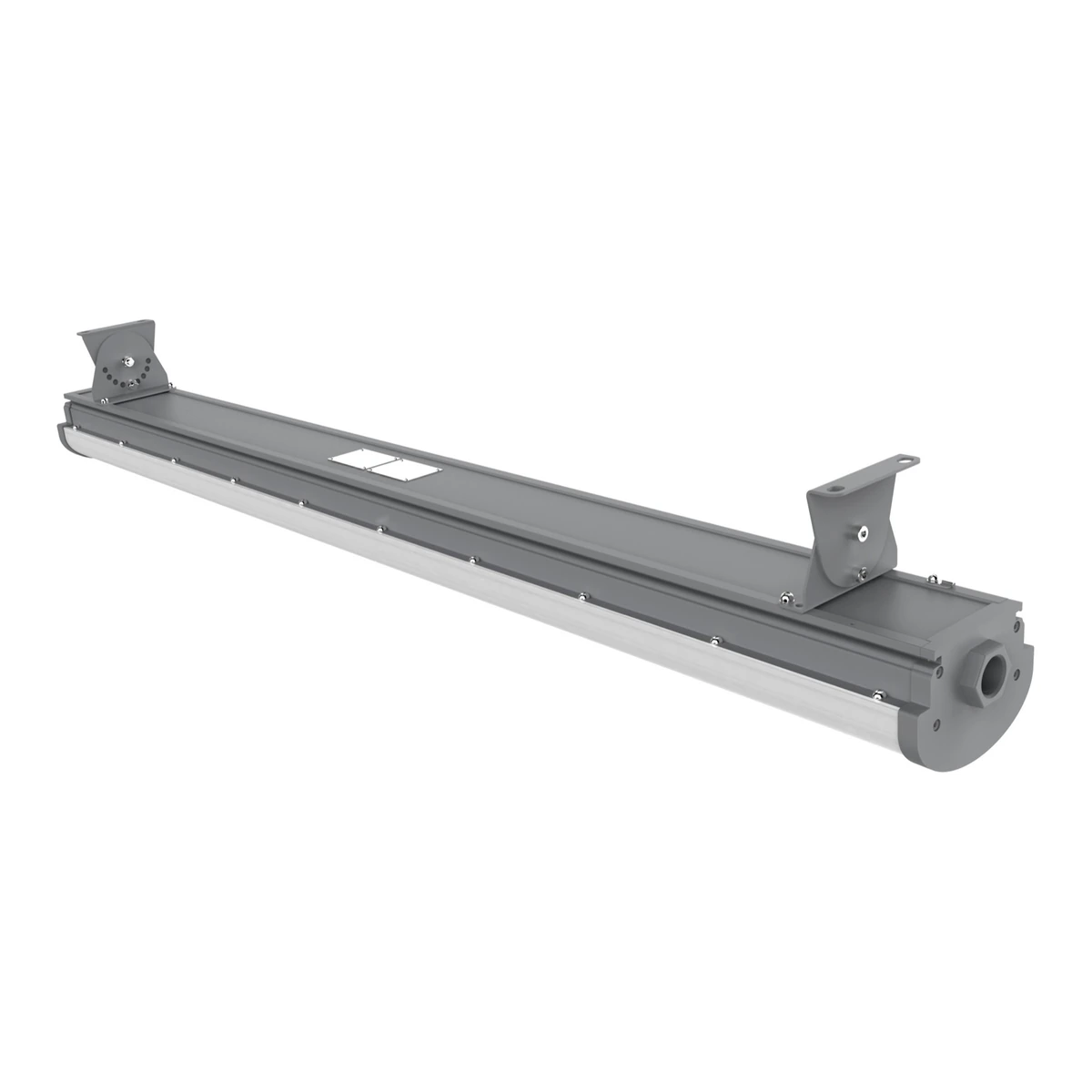
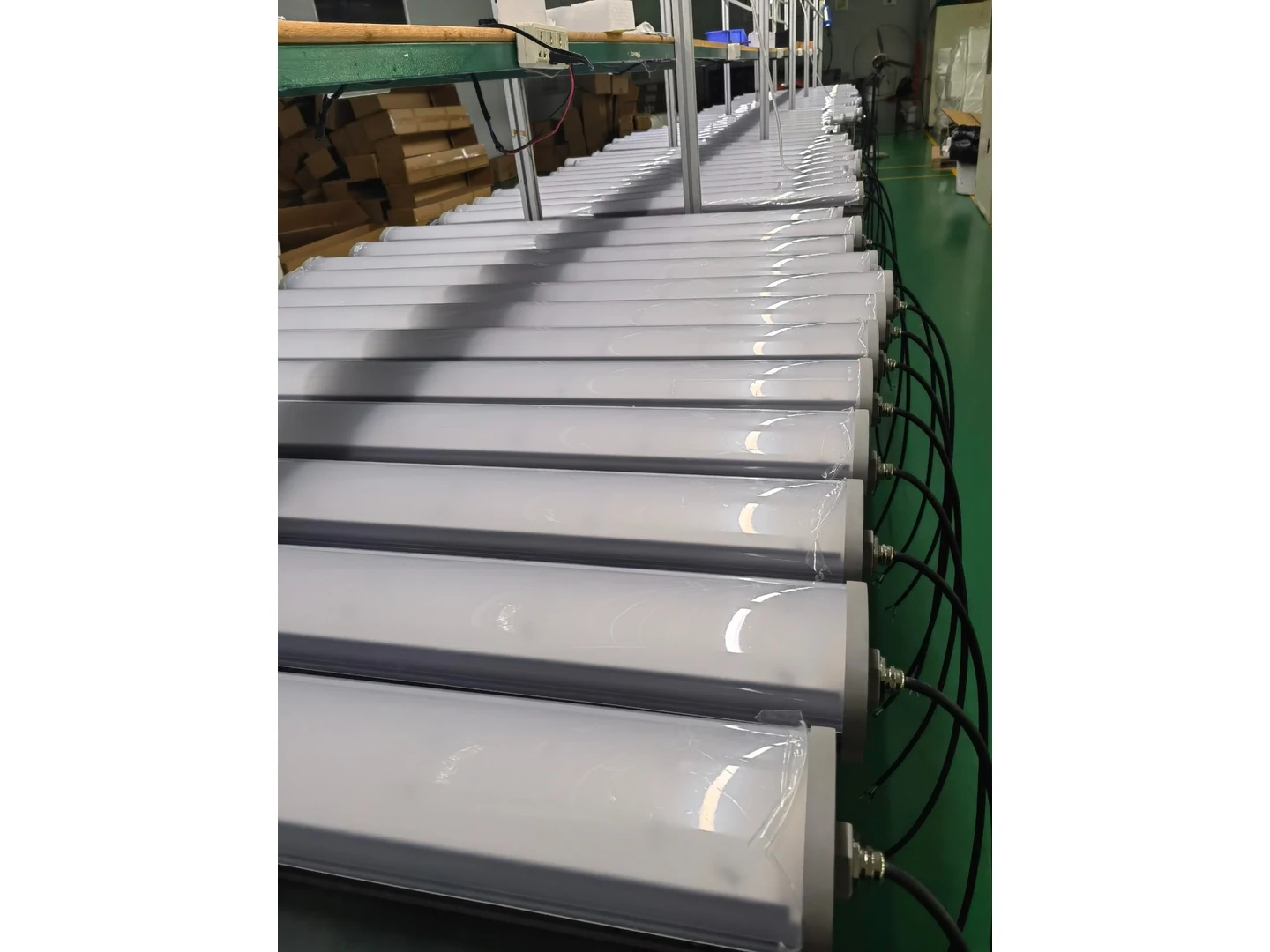
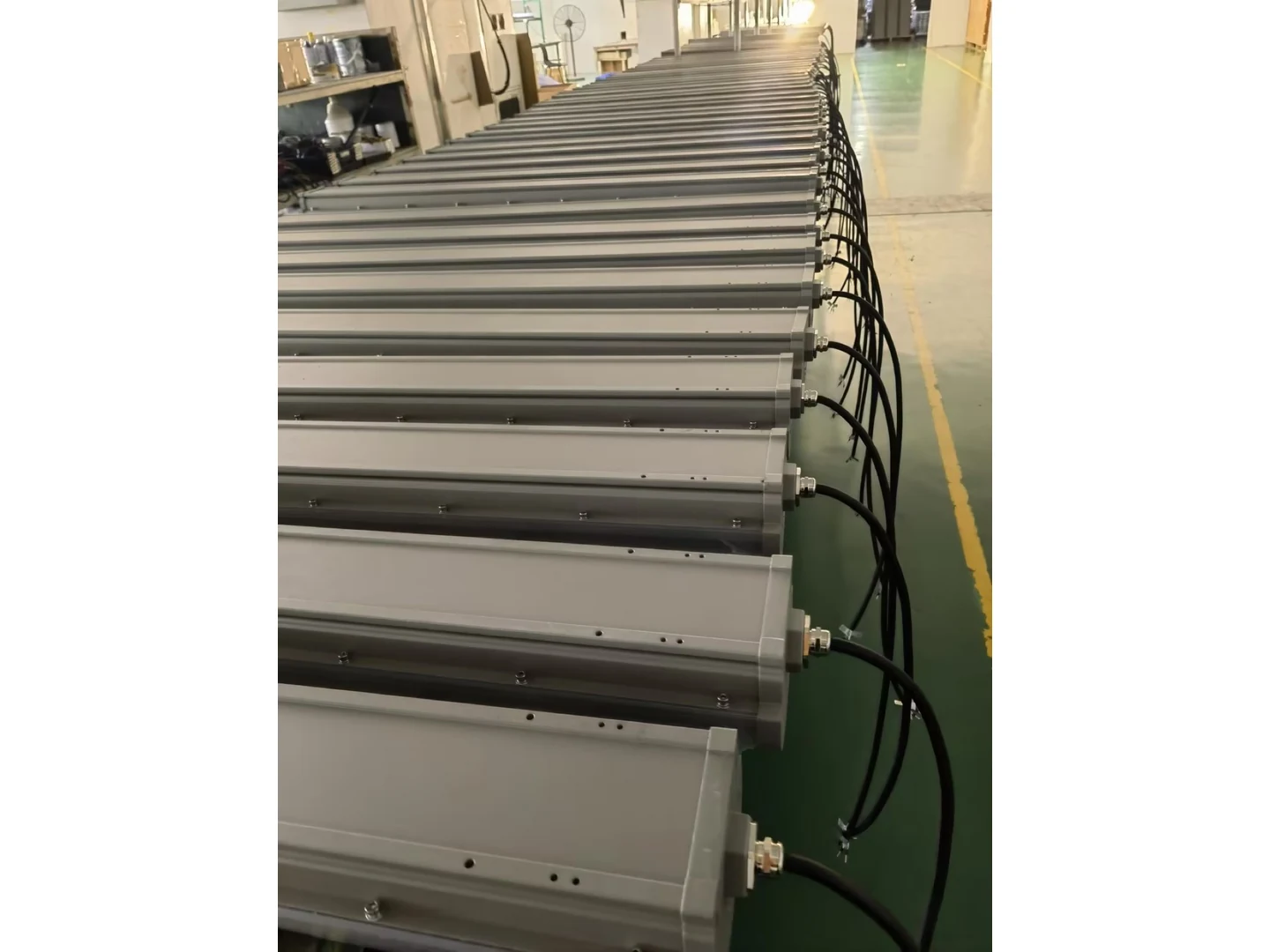
The LUX-AELL is a certified ATEX IECEx explosion-proof LED linear fixture designed for Zone 1 and Zone 21 hazardous areas. It is an energy-efficient replacement for traditional explosion-proof fluorescent and tri-proof lamps, offering high lumen output with low power consumption.
Built with a high-strength aluminum alloy housing, it provides excellent resistance to shock and vibration. The high-transparency PC cover minimizes glare and protects the light source. Suitable for use in marine and corrosive environments.
| Parameter | LUX-AELL06M, 20–50 W | LUX-AELL12M, 40–100 W |
|---|---|---|
| Model code | LUX-AELL06M20W-50W | LUX-AELL12M40W-100W |
| Power steps | 20 / 30 / 40 / 50 W | 40 / 50 / 60 / 70 / 80 / 100 W |
| Luminous efficacy | 120–140 lm/W | |
| Maximum output | 14,000 lm | |
| Voltage and frequency | 100–277 Vac, 50–60 Hz | |
| Colour temperature | 3,000–6,500 K | |
| CRI (Ra) | ≥70 | |
| Beam angle | 120° | |
| Driver | High-efficiency LED driver, over 50,000 hours | |
| Power factor | >0.95 | |
| THD | <10% | |
| Rated life (L70) | 50,000 hours | |
| Operating temperature | -40 °C to +50 °C | |
| Cable entry | 3/4"-14 NPT, M25×1.5 or M26×1.5 | |
| Cable | Three-core rubber cable, IEC (CE) approved, 0.5 m standard | |
| Certificate | Marking as printed on the nameplate |
|---|---|
| ATEX, gas | II 2G Ex eb mb IIC T5 Gb |
| ATEX, dust | II 2D Ex tb IIIC T75 °C Db |
| IECEx, gas | Ex eb mb IIC T5 Gb |
| IECEx, dust | Ex tb IIIC T75 °C Db |
| Ingress protection | IP66 |
T5 is the tighter of the two ratings on this page: the surface stays at or below 100 °C in gas, and at or below 75 °C where a dust layer forms — the limit that decides a mill, a sugar plant or a starch line. Both the ATEX and the IECEx certificate carry Gb, so the fixture is accepted in Zone 1 and Zone 2.
| Model | Fixture (L × W × H) | Carton | Net weight | Gross weight |
|---|---|---|---|---|
| LUX-AELL06M, 20–50 W | 629 × 125 × 168.7 mm | 780 × 185 × 145 mm | 4.6 kg | 5.1 kg |
| LUX-AELL12M, 40–100 W | 1,229 × 125 × 168.7 mm | 1,380 × 185 × 145 mm | 7.7 kg | 8.5 kg |
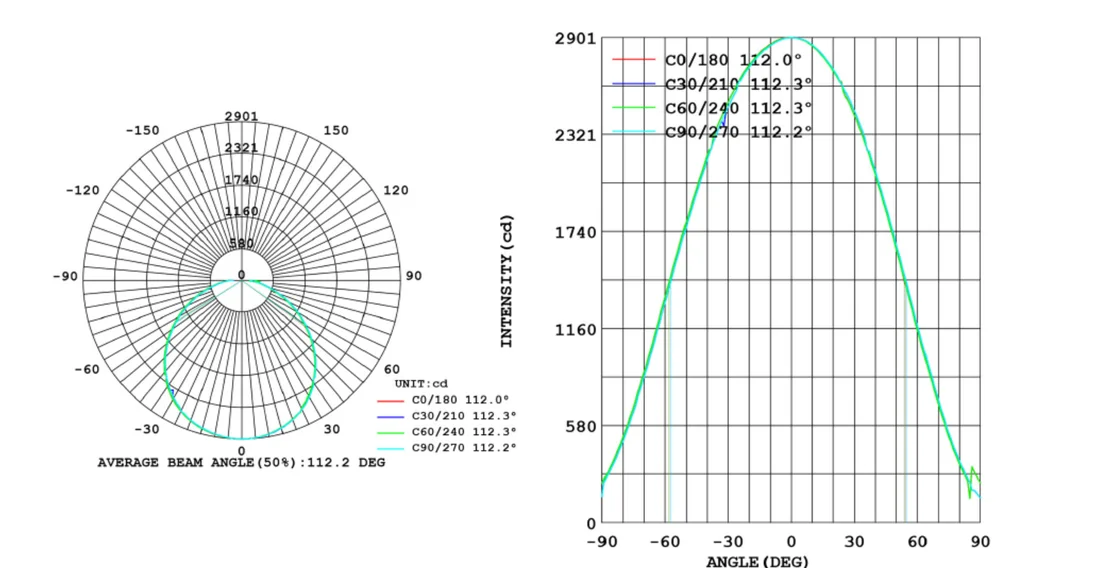
| Mounting height | Average illuminance | Centre illuminance | Beam diameter |
|---|---|---|---|
| 1 m | 874 lx | 2,901 lx | 2.96 m |
| 3 m | 97.1 lx | 322 lx | 8.89 m |
| 5 m | 35.0 lx | 116 lx | 14.8 m |
| 7 m | 17.8 lx | 59.2 lx | 20.8 m |
| 9 m | 10.8 lx | 35.8 lx | 26.7 m |
Peak intensity 2,901 cd, average beam angle 112.2° measured at 50% of peak (C0/180 112.0°, C30/210 112.3°, C60/240 112.3°, C90/270 112.2°). The illuminance figures are from a single luminaire without inter-reflection; ask for the IES or LDT file of the exact wattage you order and run the calculation for the actual rack and ceiling height.
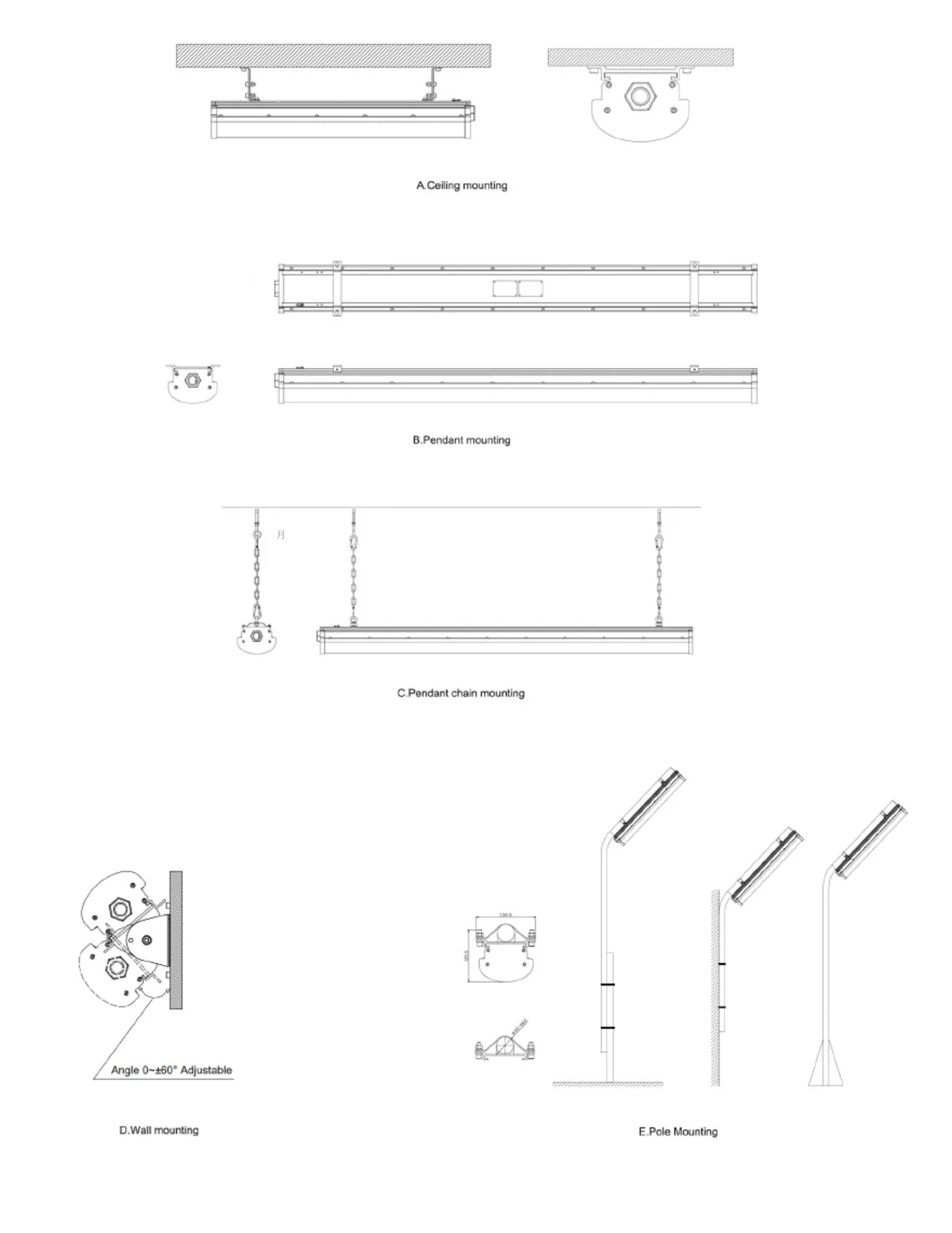
Ceiling, drop rod, chain suspension, a wall bracket adjustable through 0–60° and a pole mount. The chain version is the one that survives a tray run above a pump house, because the fixture can be lowered for cleaning without unbolting the bracket.
ATEX is the European framework for equipment installed where an explosive atmosphere can form. It rests on two directives: 2014/34/EU for the equipment itself, and 1999/92/EC for the workplace that uses it. A fixture is ATEX when its type has been examined against 2014/34/EU, it carries the CE marking together with the Ex symbol, and it is installed in a zone the site owner has already classified.
The zone tells you how often the hazard is present:
Gas, vapour and mist form the G family (0, 1, 2); combustible dust forms the D family (20, 21, 22). Fuel stations, refineries, paint booths and LPG terminals sit mostly in Zone 1 or Zone 2. Flour mills, sugar plants, grain silos and starch lines sit mostly in Zone 21 or Zone 22.
One point decides most disputes: the zone is chosen by the site owner or the process engineer, never by the lighting supplier. Our job is to match the fixture marking to that zone. A Zone 2 fixture cannot be installed in a Zone 1 area, however good its IP rating looks on the datasheet.
If you are new to the topic, start with our guide on what explosion-proof lighting is and when you actually need it.
Combustible dust is the part buyers underestimate most. Our note on ATEX lighting for food processing covers where the dust actually collects and why a ceiling fixture rated for gas is not automatically right for a mill.
Every certified fixture carries a string like Ex db eb IIC T4 Gb on its nameplate. The string is not decoration: each block answers one question the auditor will ask, and a single wrong character puts the installation outside its certificate.
| Block | What it means | Why it matters on site |
|---|---|---|
| Ex | Explosion protection | The fixture is built to the IEC 60079 series. |
| db | Flameproof enclosure, gas | Internal sparks are contained and the enclosure survives an internal explosion. |
| eb | Increased safety, gas | The design avoids sparks and hot surfaces in normal operation. |
| IIC | Gas group | Covers hydrogen and acetylene, so it also covers groups IIA and IIB. |
| T4 | Temperature class | The surface never exceeds 135 °C, which is safe where the gas ignites above that. |
| Gb | Equipment protection level | Accepted for Zone 1 and Zone 2. Ga covers Zone 0, Gc covers Zone 2 only. |
Two blocks decide most purchases: the gas group and the temperature class. A T4 fixture cannot be used where the process fluid has an auto-ignition temperature below 135 °C — that is a T5 or T6 job. Ask for the fluid's ignition temperature before you accept any datasheet, ours included.
The ATEX and IECEx strings look almost identical because both build on IEC 60079, but the certificates are not interchangeable. Our comparison of ATEX, IECEx and local certification explains which one a Latin American tender usually accepts.
Both series are certified for Zone 1 and Zone 21 and share the same driver platform and the same 50,000-hour rated life, so a mixed order keeps your spares list short. What separates them is the shape of the light: a floodlight throws it forward from a pole or a bracket, a linear fixture spreads it along a walkway or a rack.
| Property | LUX-AEL floodlight | LUX-AELL linear |
|---|---|---|
| Hazardous zones | Zone 1 & 21, Zone 2 & 22 | Zone 1 & 21 certified; the Gb / Db marking also covers Zone 2 & 22 |
| Gas temperature class | T4 — surface at or below 135 °C | T5 — surface at or below 100 °C |
| Dust surface temperature | T95 °C | T75 °C |
| Power range | 20–200 W | 20–100 W |
| Luminous efficacy | 110–130 lm/W | 120–140 lm/W |
| Maximum luminous flux | 24,000 lm | 14,000 lm |
| Ambient temperature | -40 to +40 °C | -40 to +50 °C |
| Mounting options | Seven, including two pole mounts | Five, including chain suspension |
| Enclosure | ADC12 die-cast aluminium, 1800-ton | High-strength aluminium alloy |
| Lens | Tempered glass, shock and vibration resistant | Anti-corrosion PC cover, above 90% light transmission, anti-glare |
| Light source | LM80-certified 3030 LEDs | LM80-certified 3030 LEDs |
| Driver | MeanWell, efficiency above 90% | High-efficiency driver, over 50,000 hours |
| Surge protection | 4 kV / 6 kV | 4 kV / 6 kV |
| Ingress protection | IP66 | IP66 |
| Where it works best | Tank farm perimeters, loading racks, station canopies and towers | Walkways, cable trays, mezzanines and low ceilings with dust |
Most refinery and fuel-station packages end up with both: floodlights on the perimeter and the loading bay, linear fixtures inside the pump house and along the cable routes. See how the two are combined in choosing explosion-proof luminaires for refineries and fuel stations.
A hazardous-area purchase is usually approved by someone who never visits the site. Every offer therefore goes out with the EU-type examination certificate IEP 19ATEX 0714, the IECEx certificate for the same model, the datasheet with the Ex marking and the photometric file, and the installation instructions in your language. For a dust zone we add the surface-temperature and IP evidence the inspector will ask for. Send the zone drawing with the RFQ and the pack comes back with the price, not after the order.
If the tender also requires RETILAP in Colombia, NOM in Mexico or INMETRO in Brazil, say so at the RFQ stage. A local mark is a separate registration from ATEX and it changes both the document pack and the delivery schedule.
We don’t just offer explosion-proof lighting solutions and products — we also provide professional lighting simulation diagrams. This allows you to visualize the lighting effect and layout before installation, ensuring optimal performance and project planning accuracy.
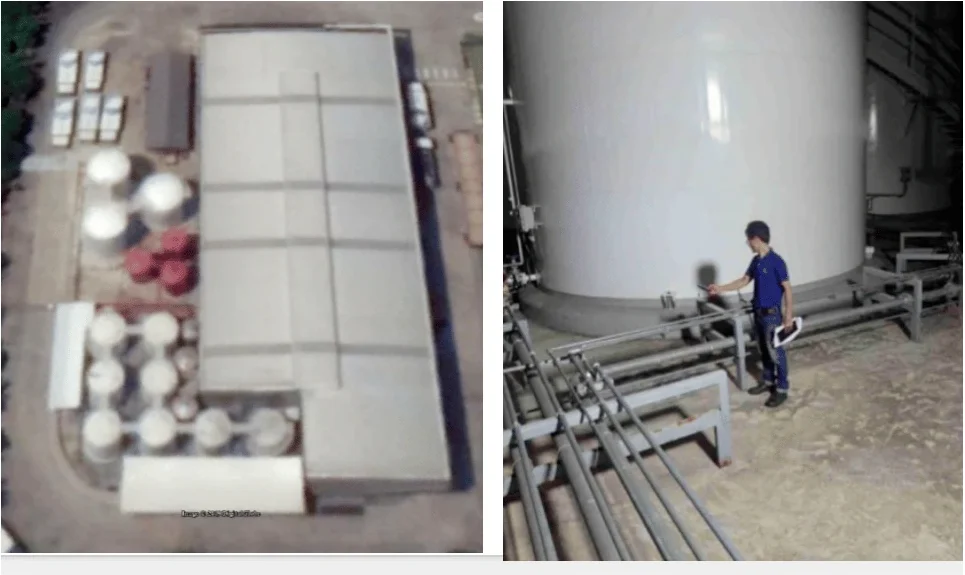
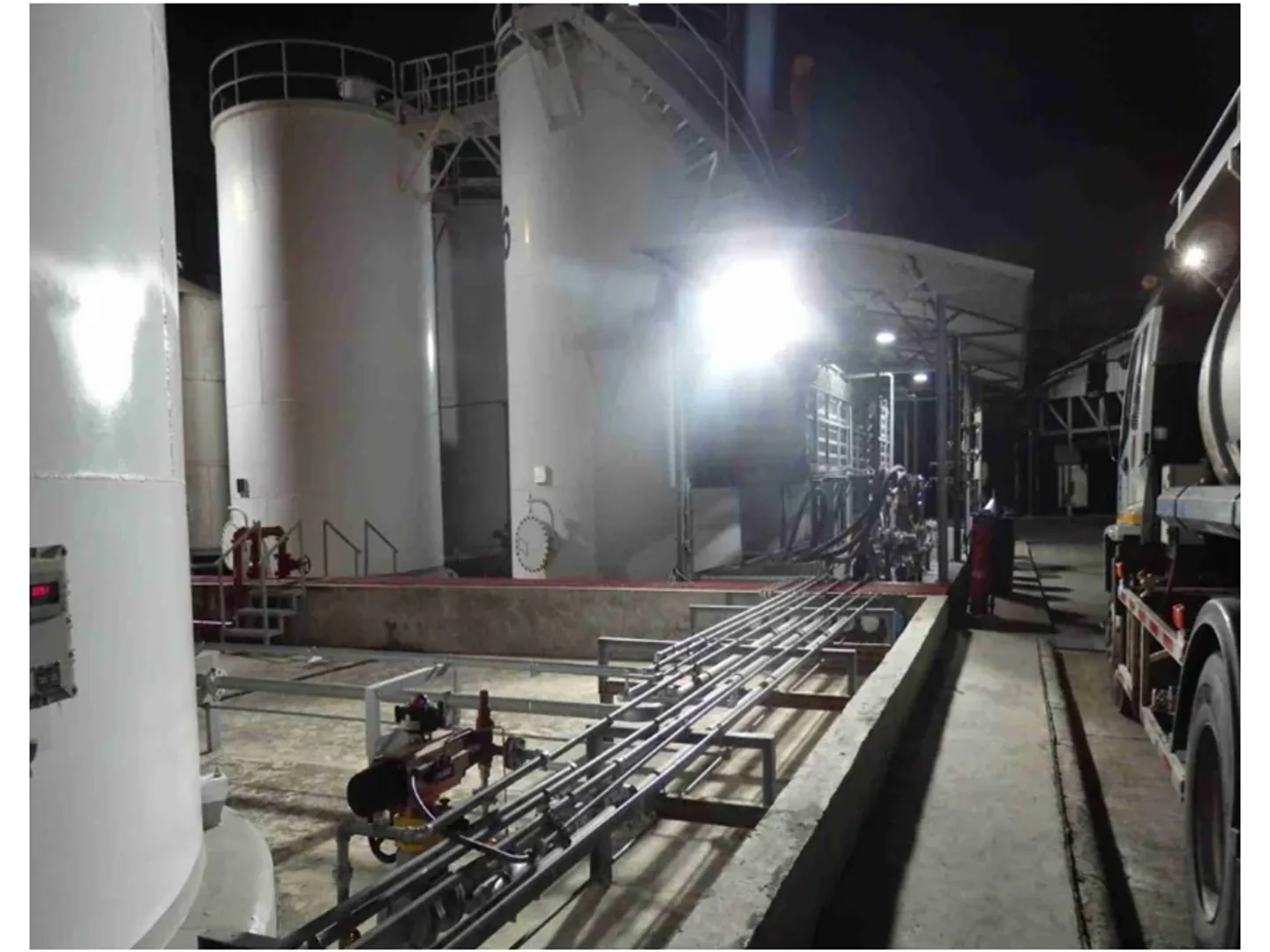
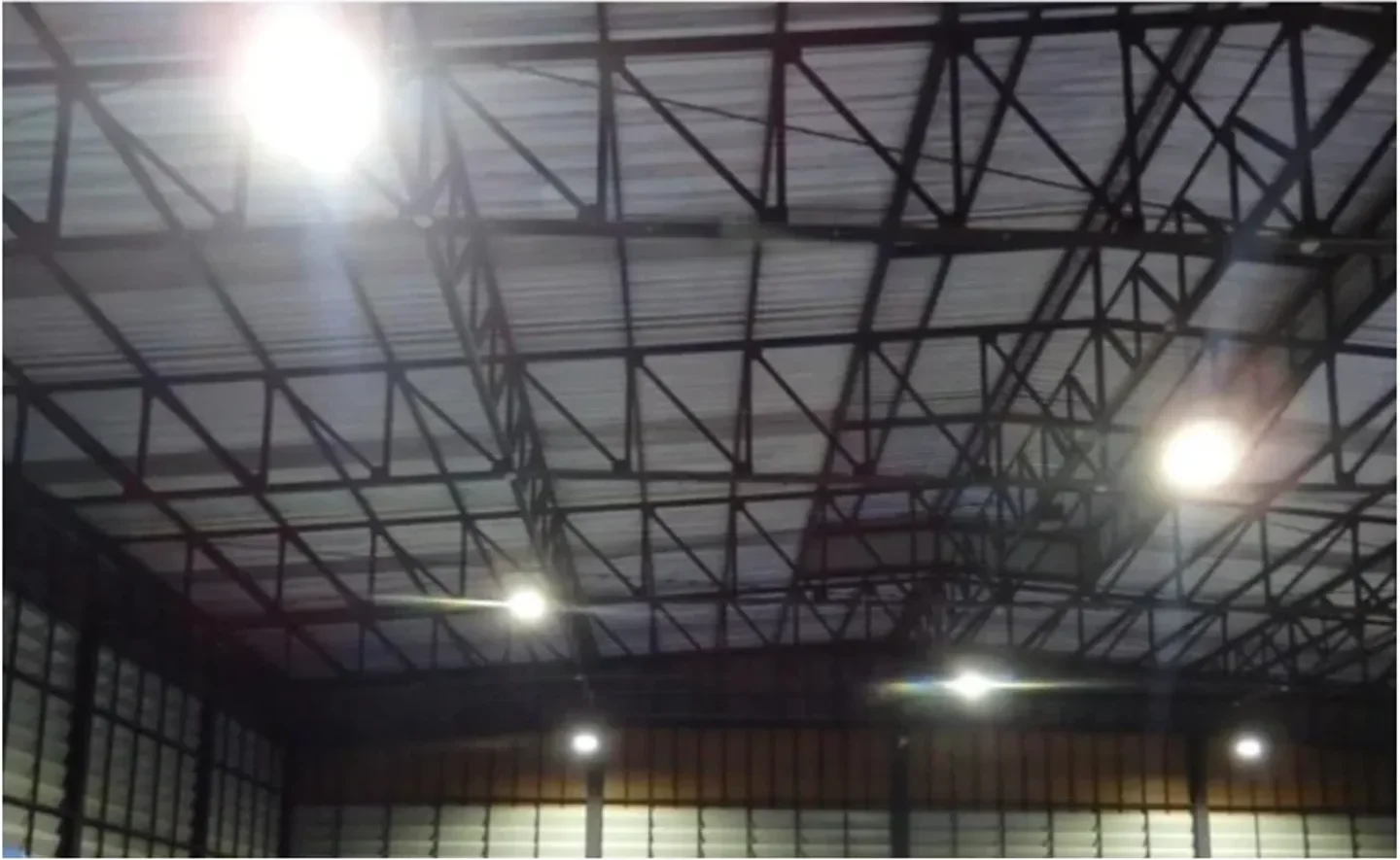
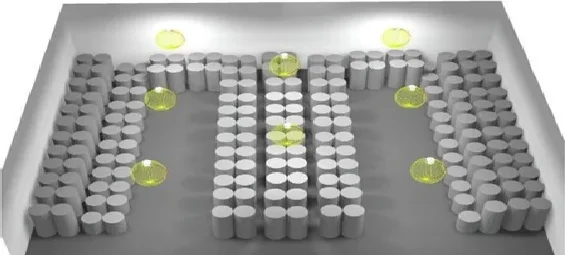
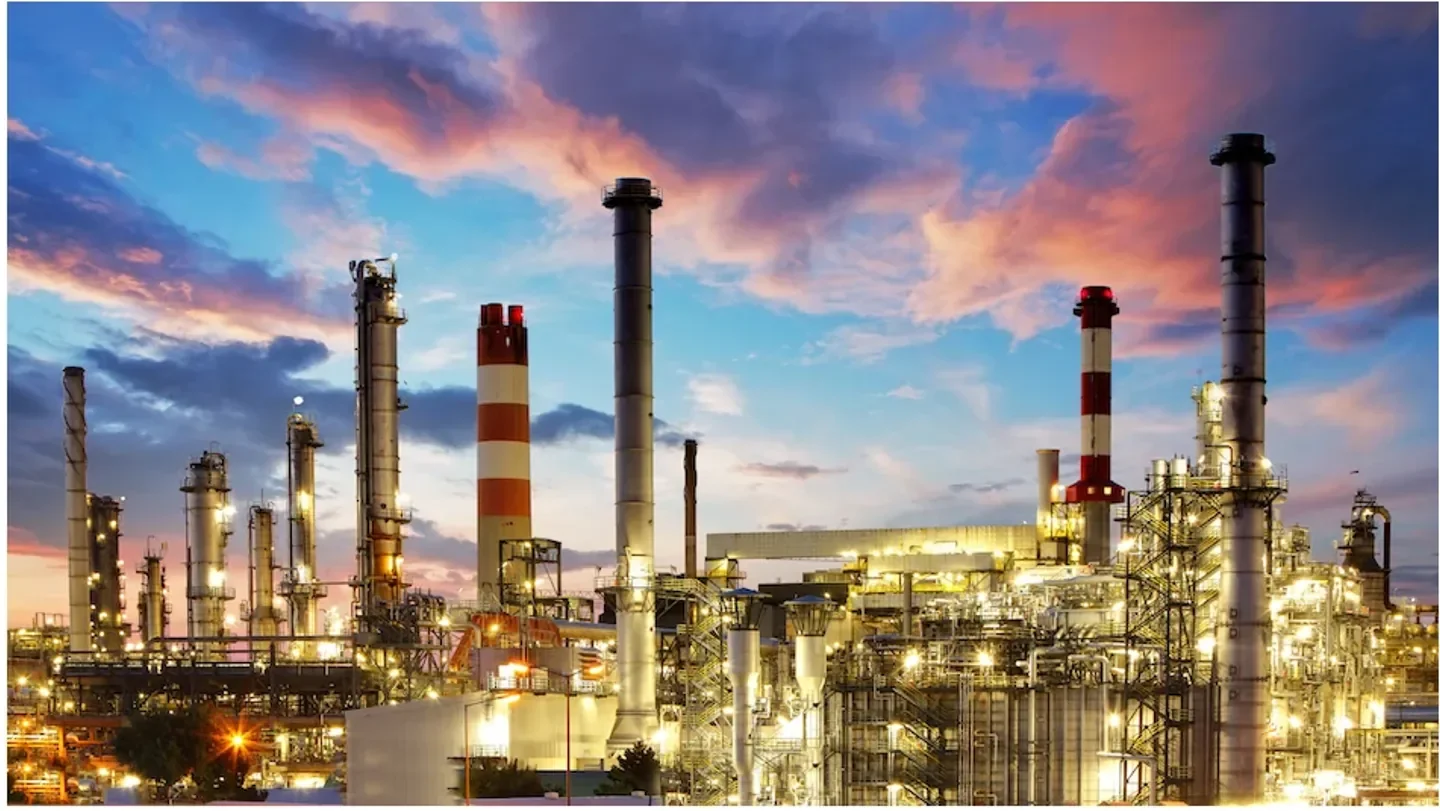
They are installed wherever a release of gas, vapour or combustible dust can form an explosive atmosphere: refineries and tank farms, gas stations and LPG depots, drilling rigs, offshore platforms, chemical and petrochemical plants, wastewater treatment, paint booths, flour mills and sugar plants. The AEL floodlight at 20–200 W covers open process areas and the AELL linear at 20–100 W covers walkways, stairwells and cable trenches, both certified for Zone 1 and Zone 21, with Gb equipment protection on ATEX and IECEx.
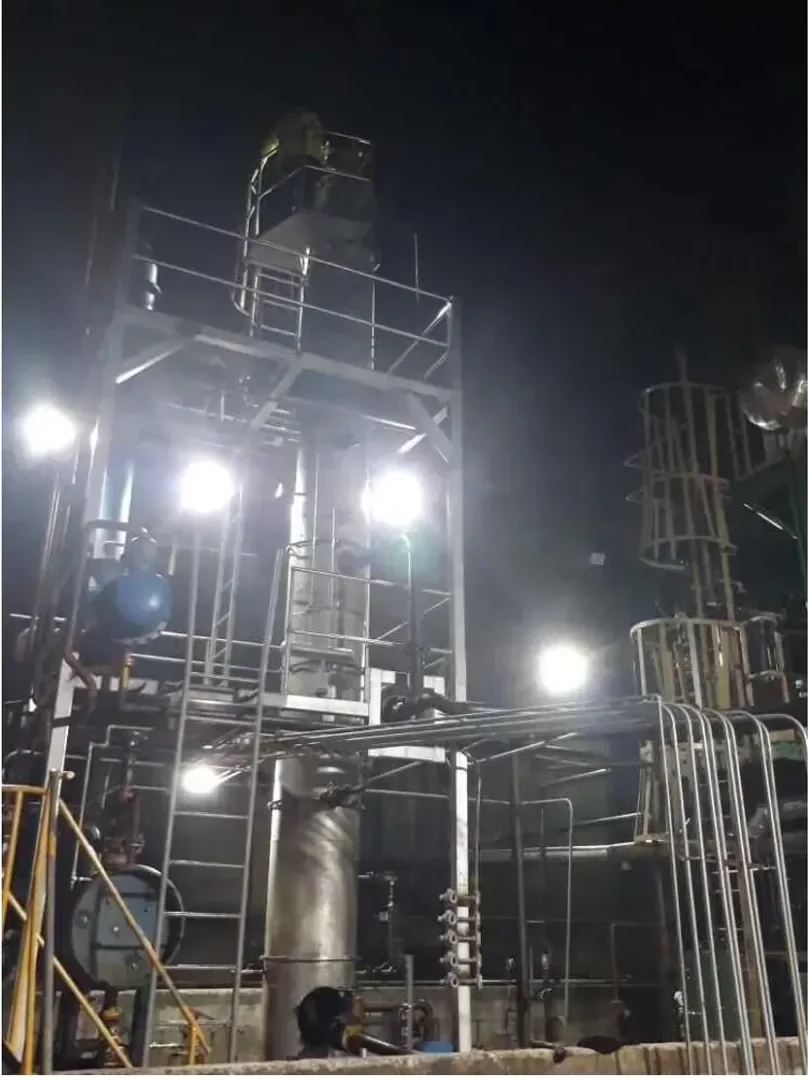
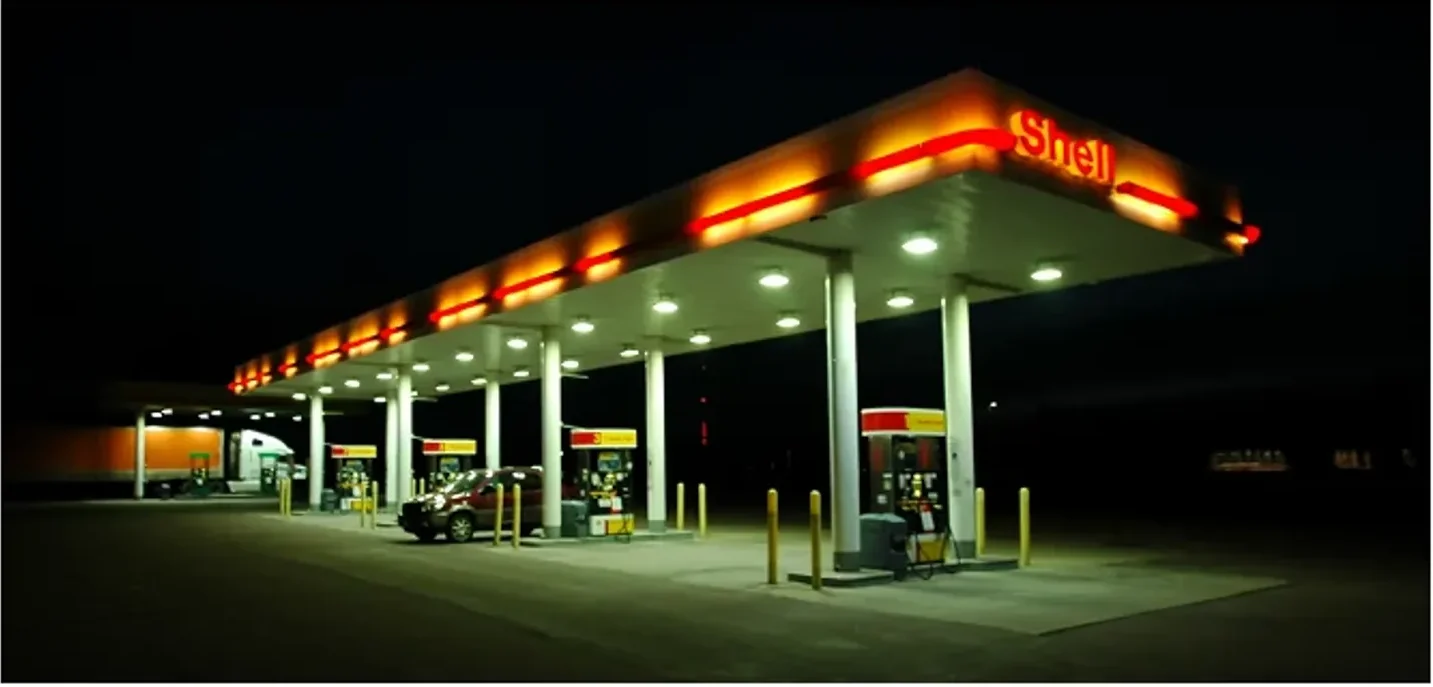
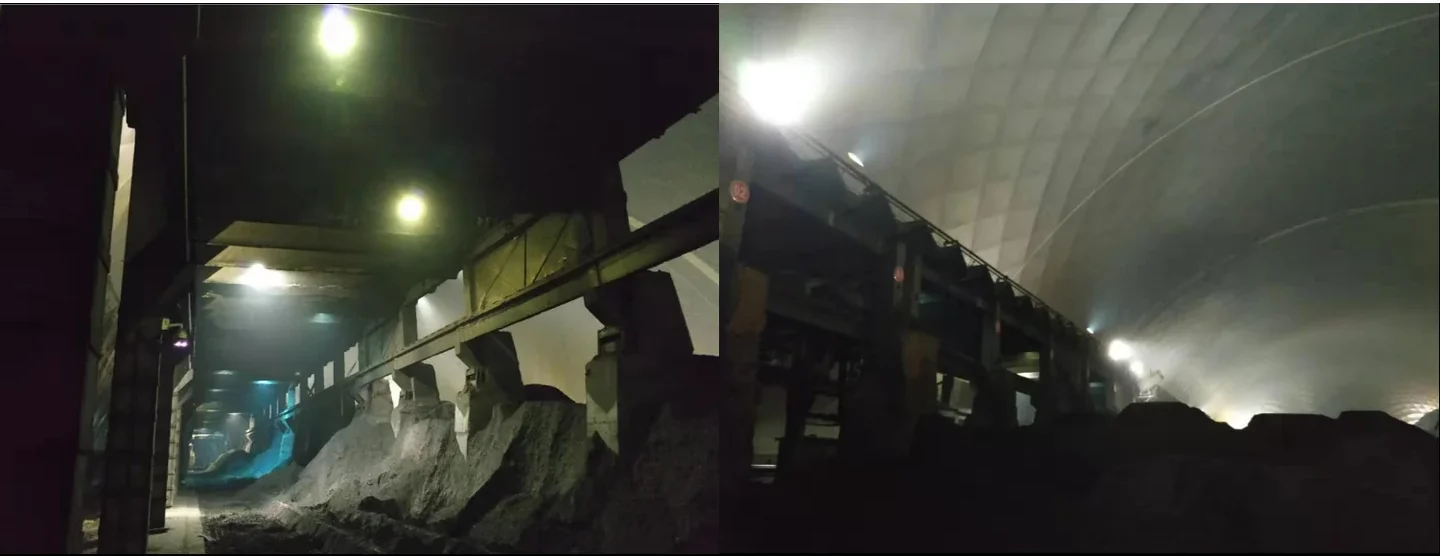
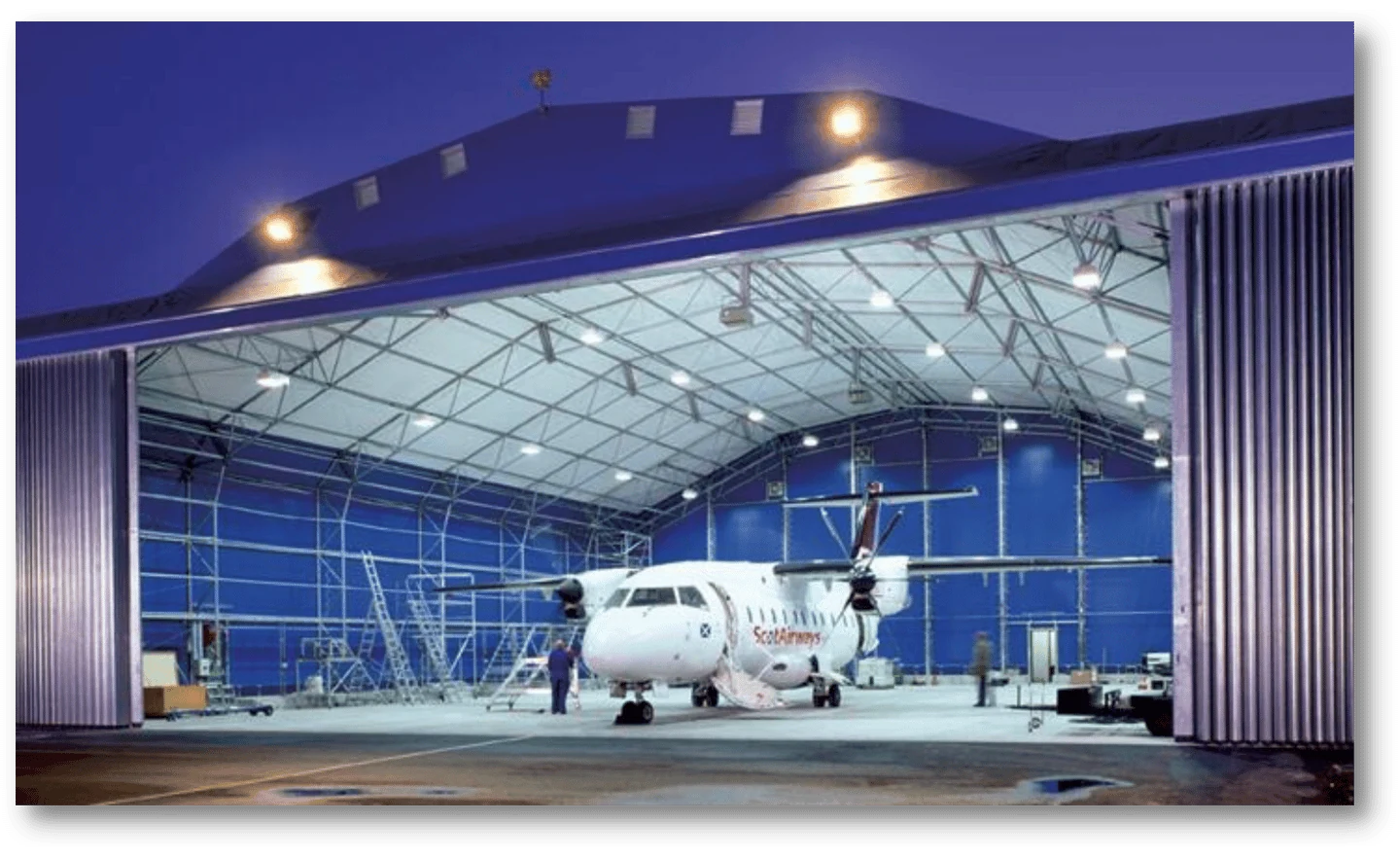
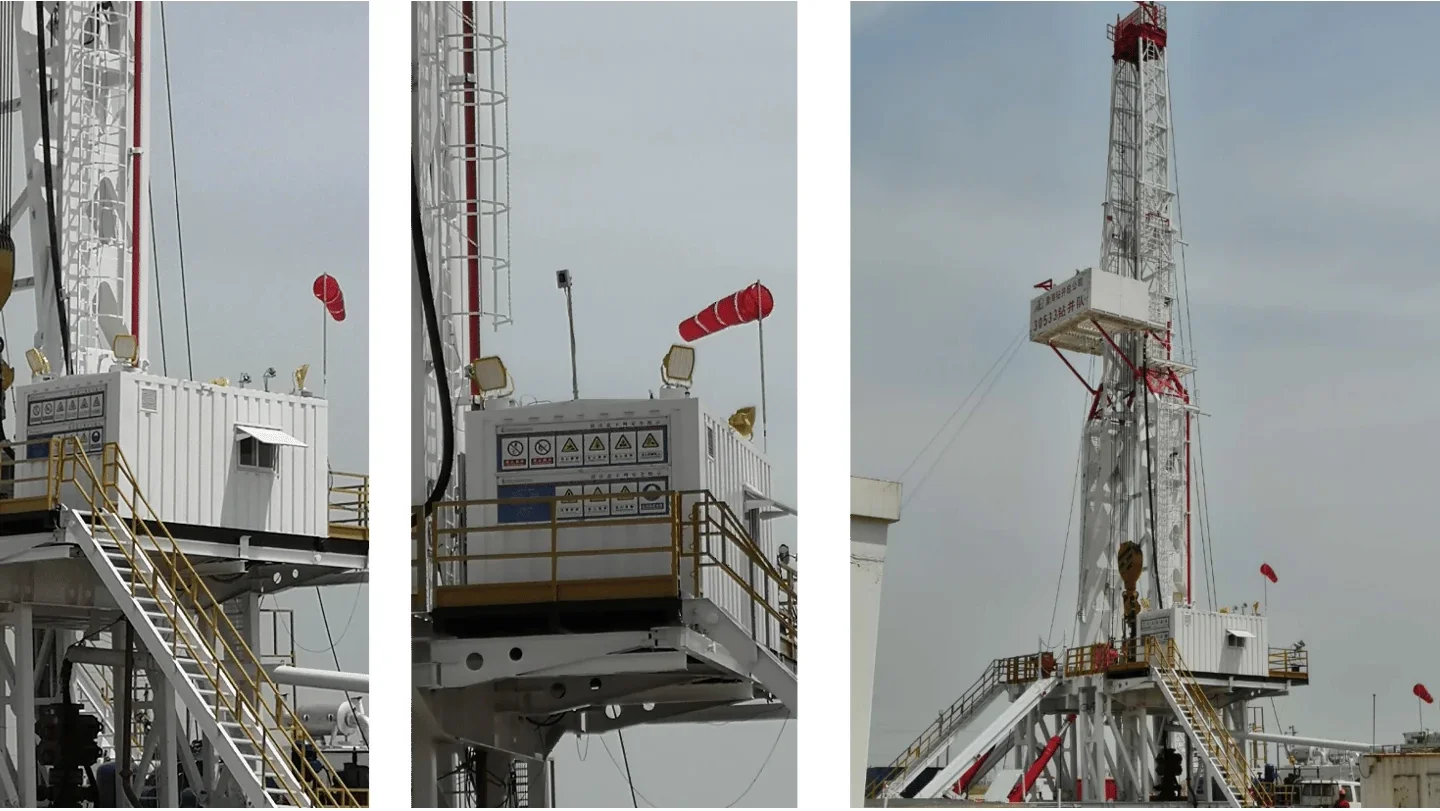
“We have been collaborating with them for 13 years. They have consistently provided the most suitable high-quality explosion-proof lights for our gas station projects and have worked with us to analyze customer projects, offering the most competitive solutions.”
Is ATEX the same as IECEx? No. ATEX is the European legal route: a fixture sold in the EU or EEA must hold an ATEX type examination certificate against 2014/34/EU. IECEx is the international certification scheme run under IEC, and it is what most Latin American EPC and refinery specifications quote. The two share the same technical basis in IEC 60079, but the certificates are not interchangeable — an ATEX certificate cannot be presented as an IECEx one, or the other way round. Where a project asks for both, we supply both.
What is the difference between Zone 1 and Zone 2? Zone 1 means an explosive atmosphere is likely during normal operation; Zone 2 means it appears only briefly or after a fault. Zone 1 needs equipment with protection level Gb, Zone 2 can be served by Gc. The same logic applies to dust: Zone 21 for normal operation, Zone 22 for occasional. The zone is fixed in the site's hazardous-area classification drawing, and the fixture marking has to be equal to or better than that zone.
Can I replace old HPS or fluorescent explosion-proof fixtures one-for-one? Usually yes, but check three things before you order: the mounting hole pattern and bracket, the overall length if the old fixture sits inside a cable tray or a recess, and where the driver was located. Send a photo of the old nameplate together with the mounting dimensions and we will mark up a replacement table. Do not swap on wattage alone — LED delivers more light per watt, so the replacement is normally lower in power, and the correct figure comes from the illuminance the area needs.
Do you supply certificates and test reports for a tender? Yes. The standard pack is the datasheet, the ATEX type examination certificate, the IECEx certificate where required, the declaration of conformity, IES and LDT files, the Dialux calculation and the installation manual in English or Spanish. Tell us at the RFQ stage which documents the reviewer expects, because some owners also ask for a declaration covering the cable glands and the driver.
Are these fixtures suitable for marine, salt-spray and corrosive sites? Yes. Both series are built for marine and corrosive duty: die-cast aluminium housing, tempered glass or anti-corrosion PC cover, and a sealed IP66 body. Offshore platforms, terminals and coastal fuel depots are routine applications. In permanent salt-spray exposure, inspect the gasket and the fasteners once a year, and avoid direct contact between dissimilar metals at the bracket to prevent galvanic corrosion.
Do you provide lighting simulation for hazardous areas? Yes. Send the layout drawing, the mounting height, the working plane and the target illuminance, and we return a Dialux layout with the isolux curves. In oil and gas areas we also check that the aiming direction keeps the fixture away from vents, relief valves and other release sources, because a luminaire placed above a release point is a design error even when its marking is correct.