
Last updated:
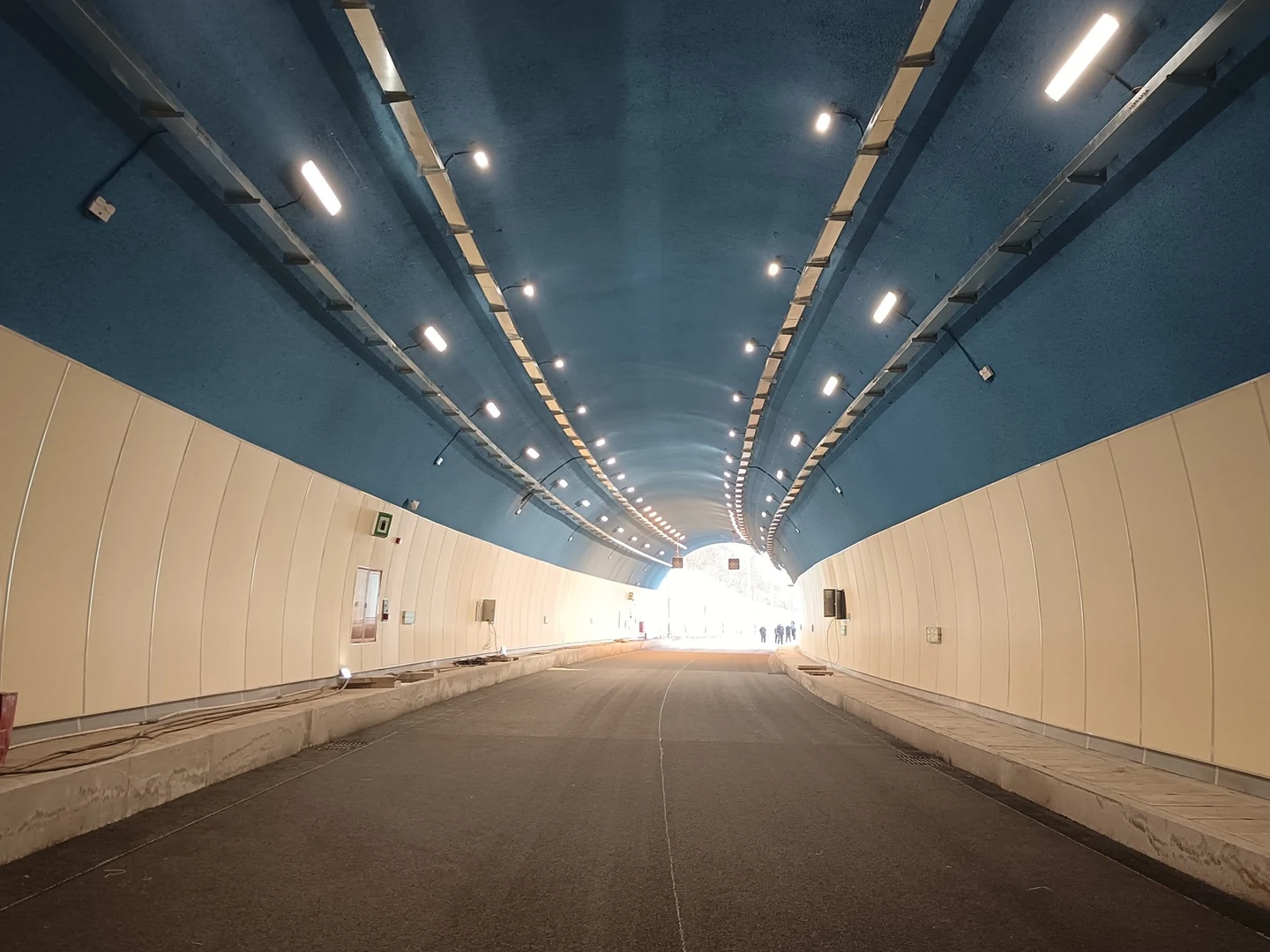
Luxey Lighting (Shenzhen Luxey Co., Ltd.) has made LED tunnel lights in Shenzhen since 2007. Modular, rectangular and linear bodies cover 20 W to 400 W at 130–160 lm/W, all IP66 and IK10, with 0–10 V or DALI dimming, 6 kV/10 kV surge protection, ±45° adjustable brackets and a 50,000-hour rating. Because the threshold, transition, interior and exit zones each need a different luminance, circuits are grouped per zone and dimmed against a photocell at the portal rather than as one block. Lead time is 7–15 days, and a free DIALux model shows the luminance gradient before you order.
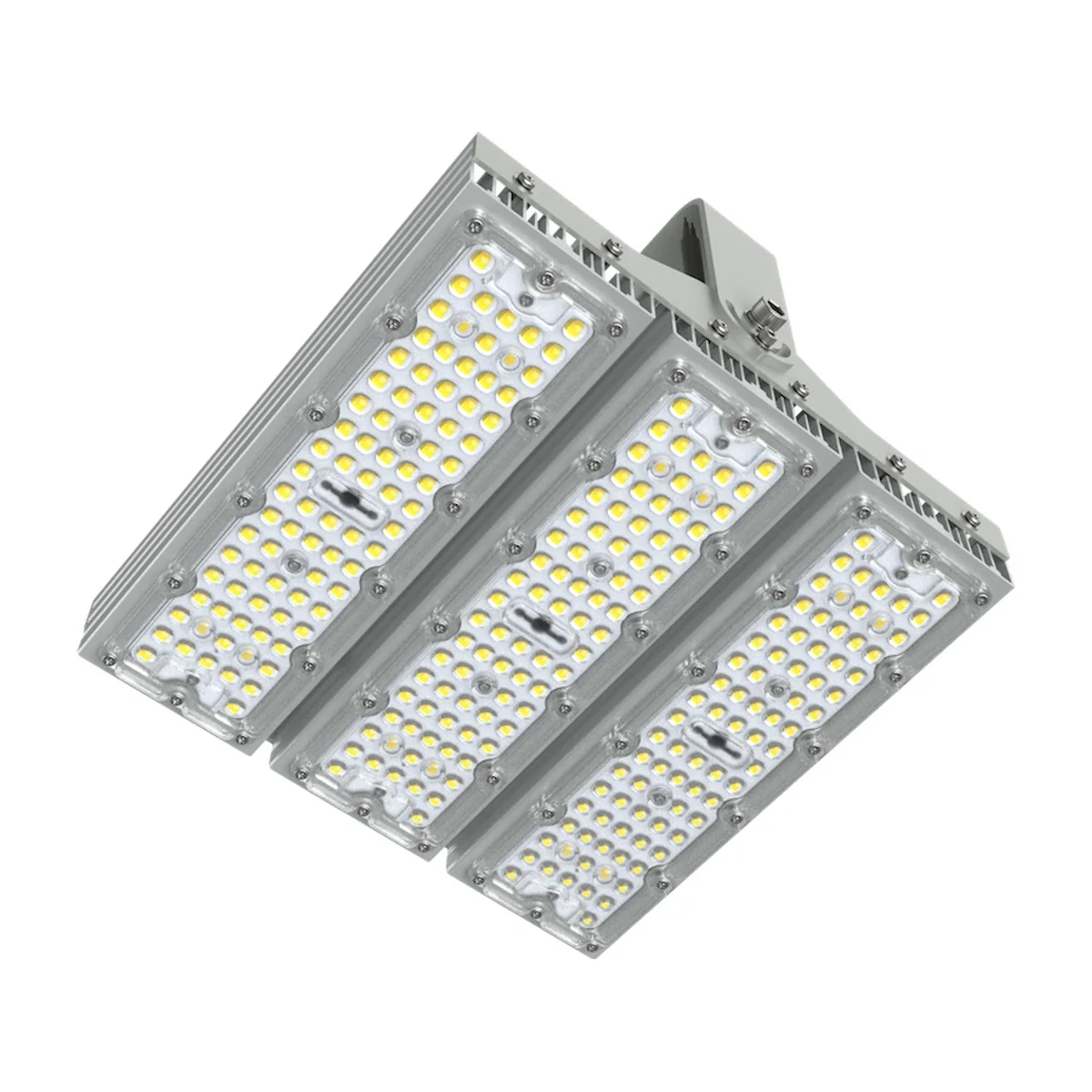
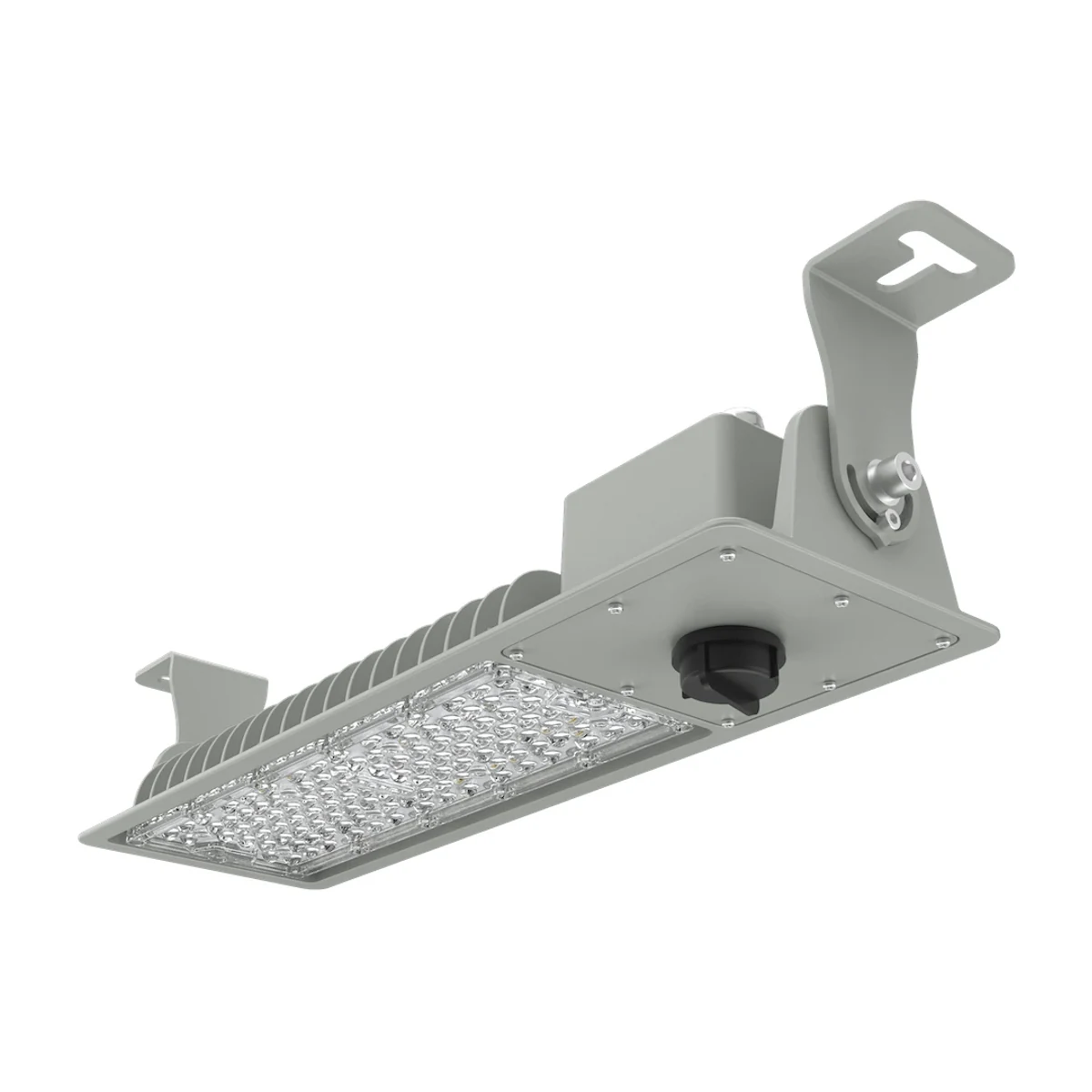
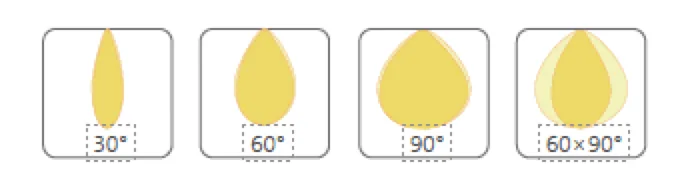
This modular LED tunnel light doubles as a floodlight, featuring a durable aluminum housing for efficient heat dissipation. It uses high-efficiency LEDs for ultra-bright, energy-saving performance. With multiple beam angle options via a PC lens, it delivers soft, glare-free lighting—ideal for tunnels, underpasses, underground bridges, and traffic corridors.
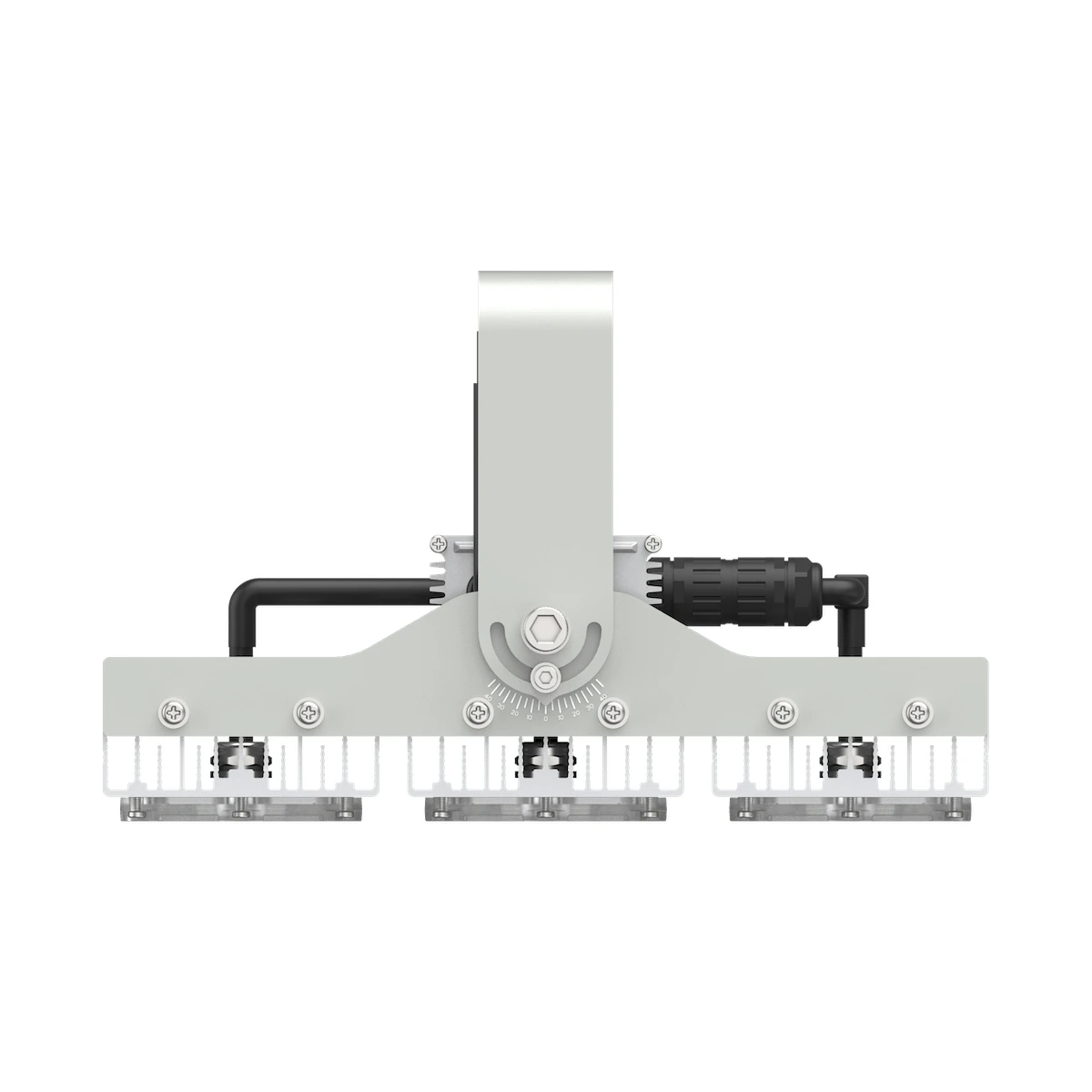
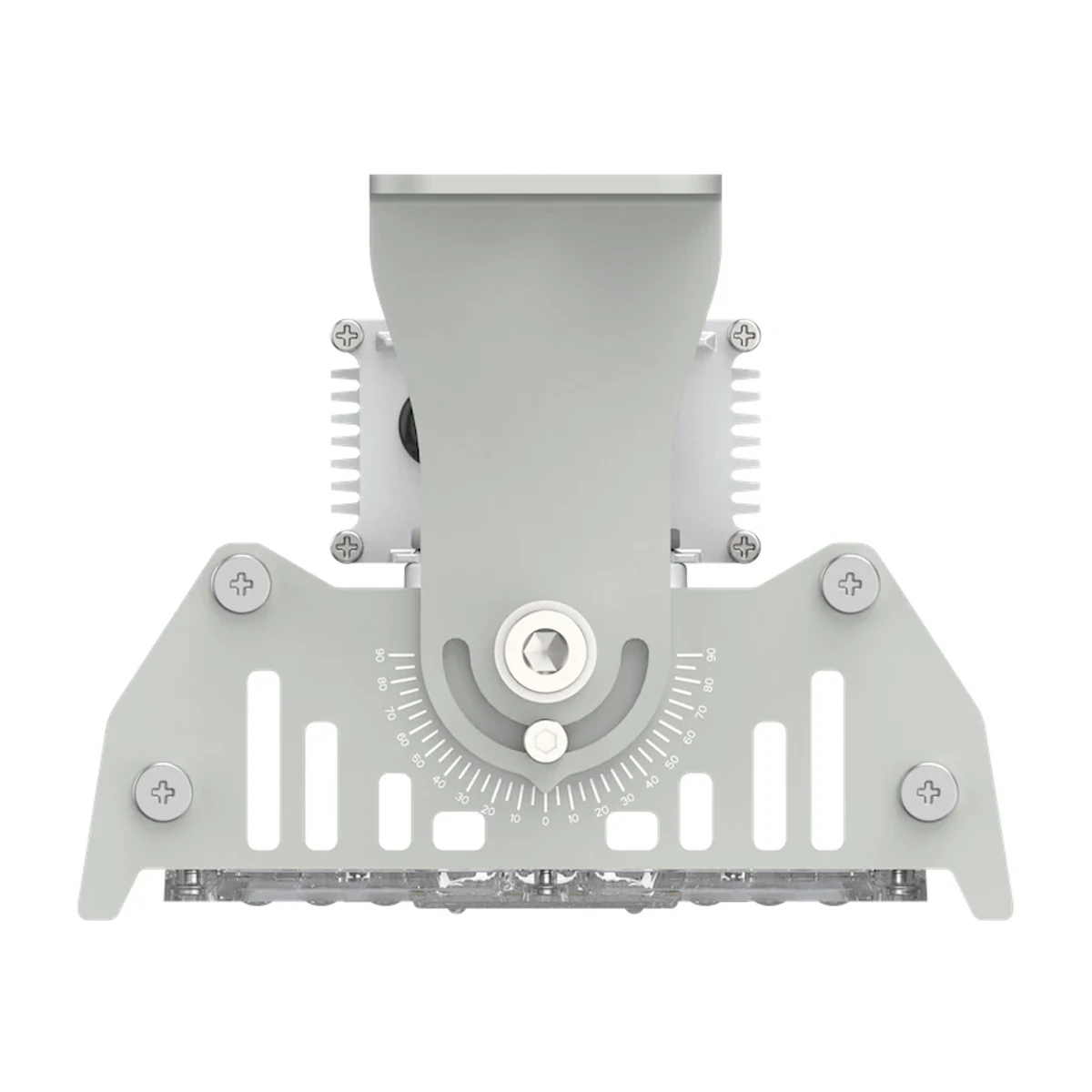
The rectangular LED tunnel light adopts a glare-free design to reduce the interference of glare on the driver's vision, has high brightness and uniformity, can provide better lighting effects, increase the transparency in the tunnel, make it easier for drivers to see the road and surrounding environment, and improve driving safety.
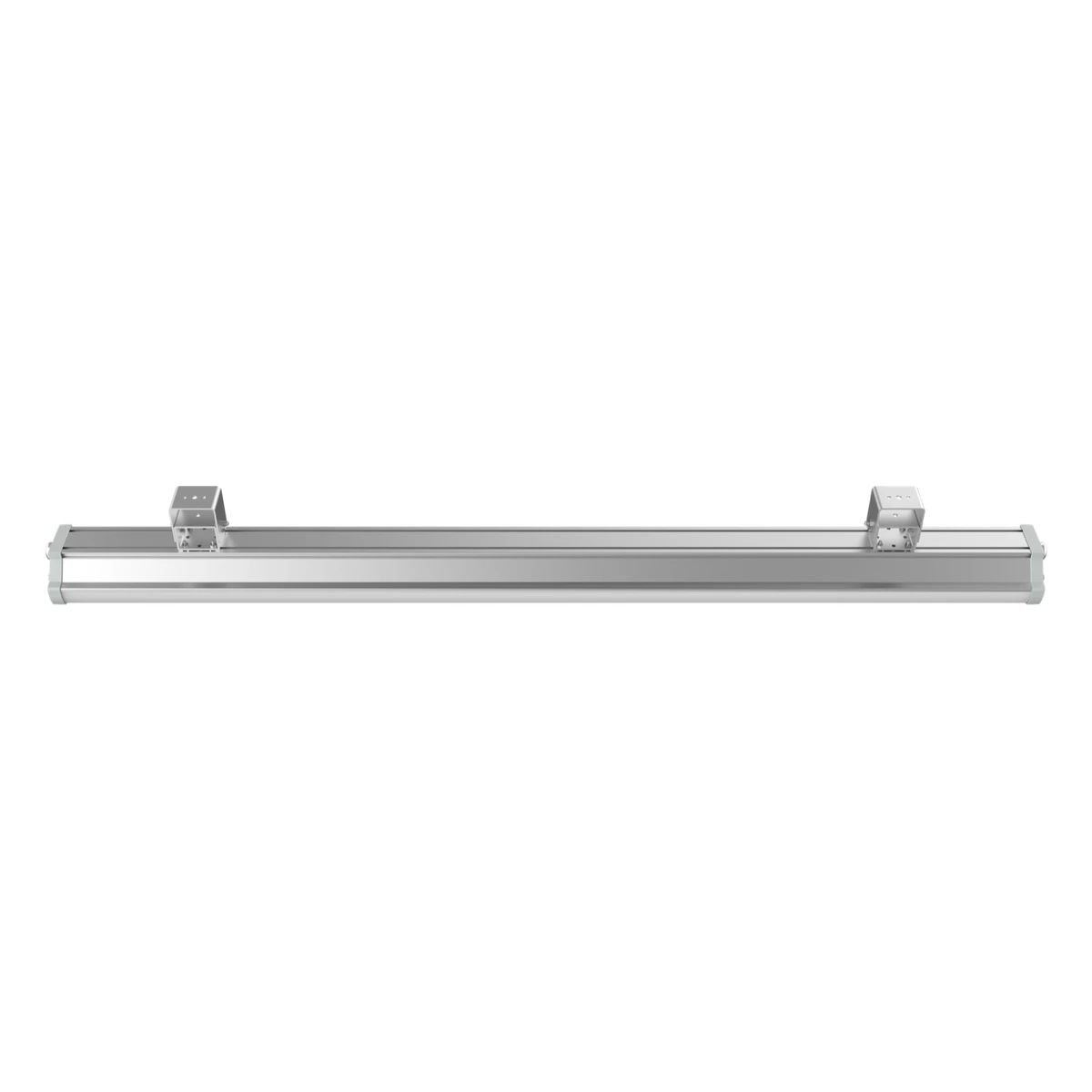
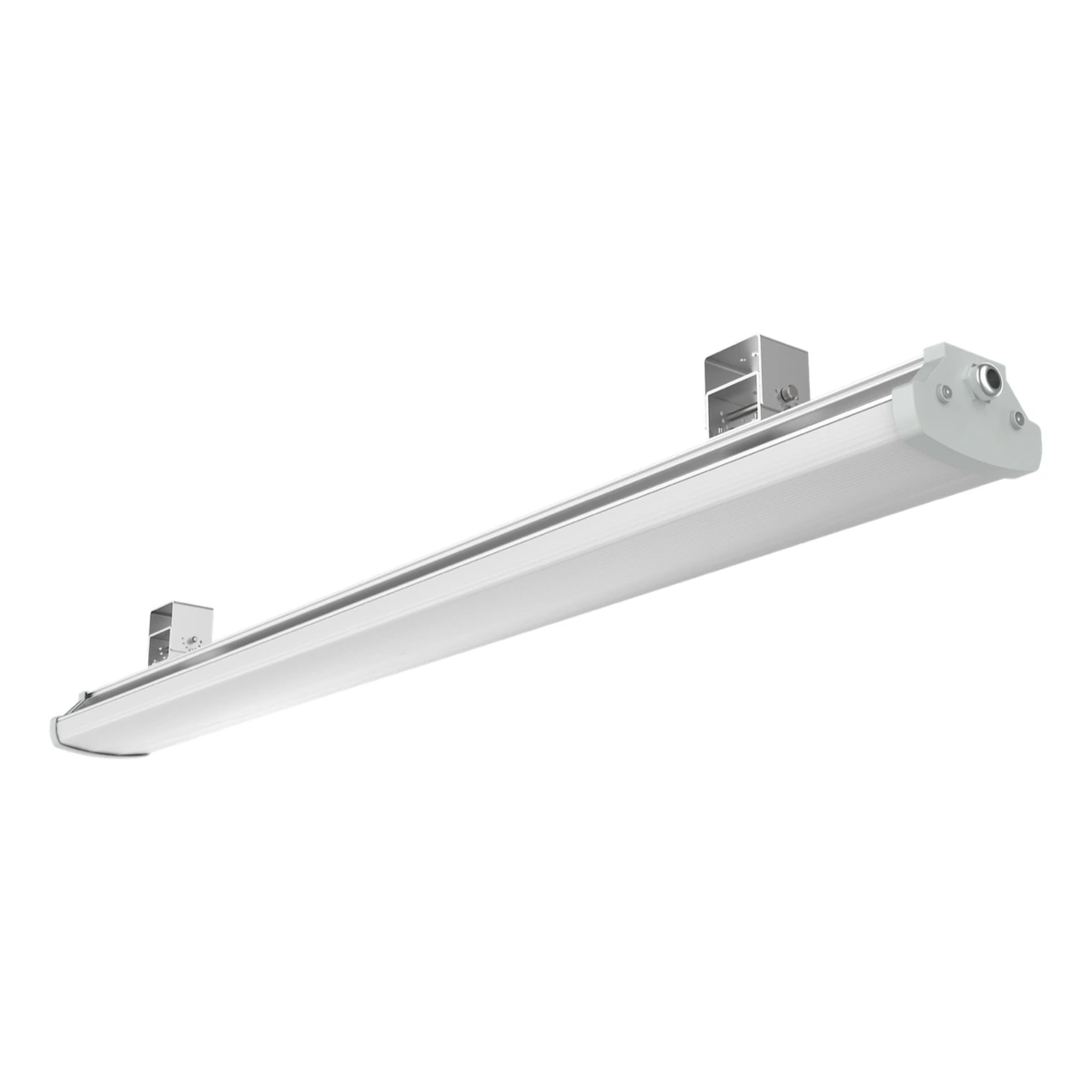
The Linear LED Lights designed for tunnels, underpasses, and underground passages, this linear LED tunnel light features a durable aluminum body for efficient heat dissipation and long lifespan. Its anti-glare optical design ensures bright, comfortable, and safe illumination in demanding environments.
Threshold, transition, interior and exit each need a different luminance; circuits are grouped per zone and dimmed from a photocell at the portal.
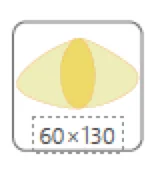
Modular, rectangular and linear bodies cover 20–400 W at 130–160 lm/W, all IP66 and IK10, for road tunnels, underpasses, underground passages, rail and metro tunnels, and covered car parks. The body is chosen by cross-section: modular for a wide bore, rectangular for a low ceiling, linear for a wall wash along the bore. All three take 0–10 V or DALI dimming, 6 kV or 10 kV surge protection, ±45° adjustable brackets and a 50,000-hour rating.
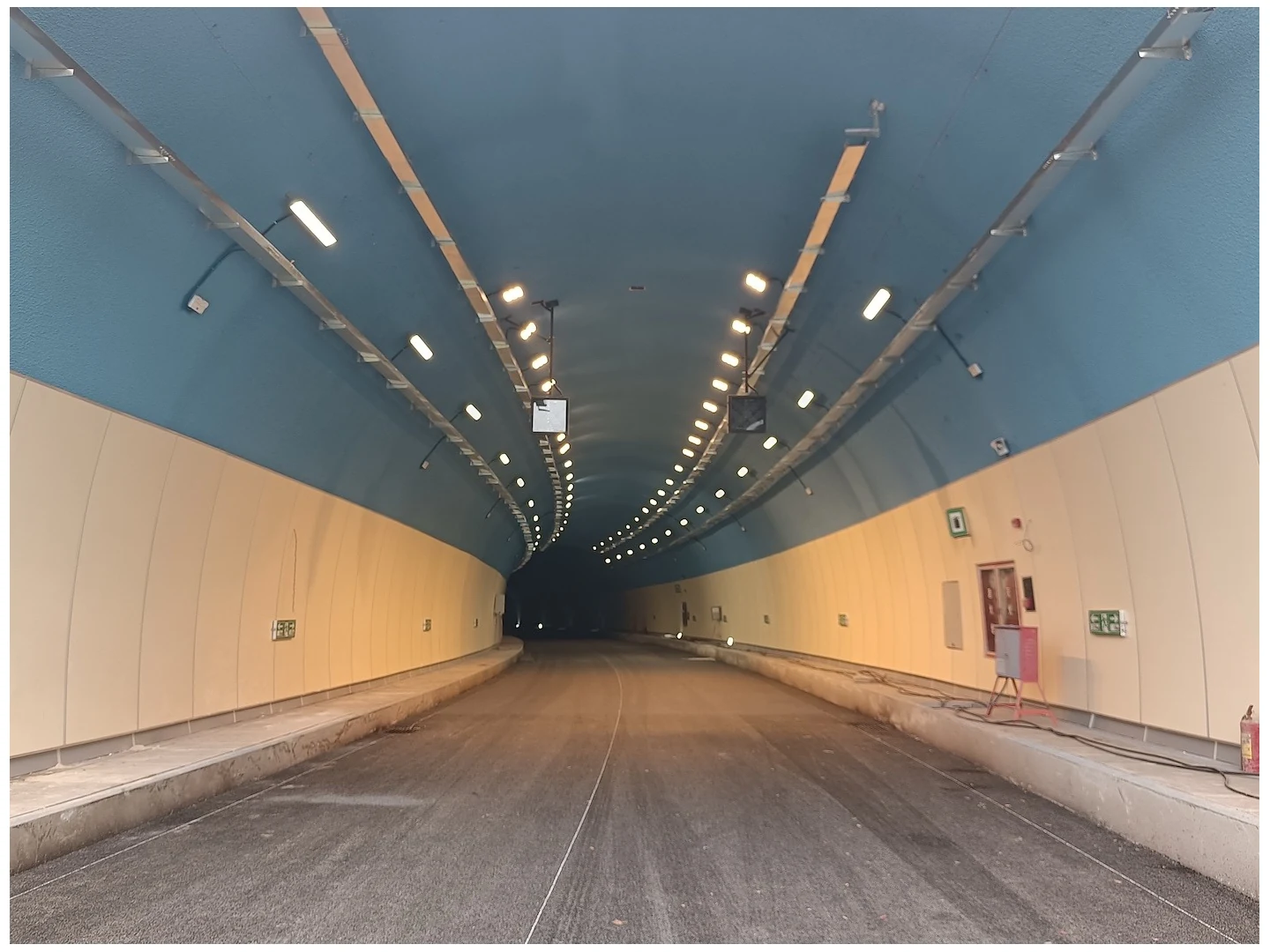
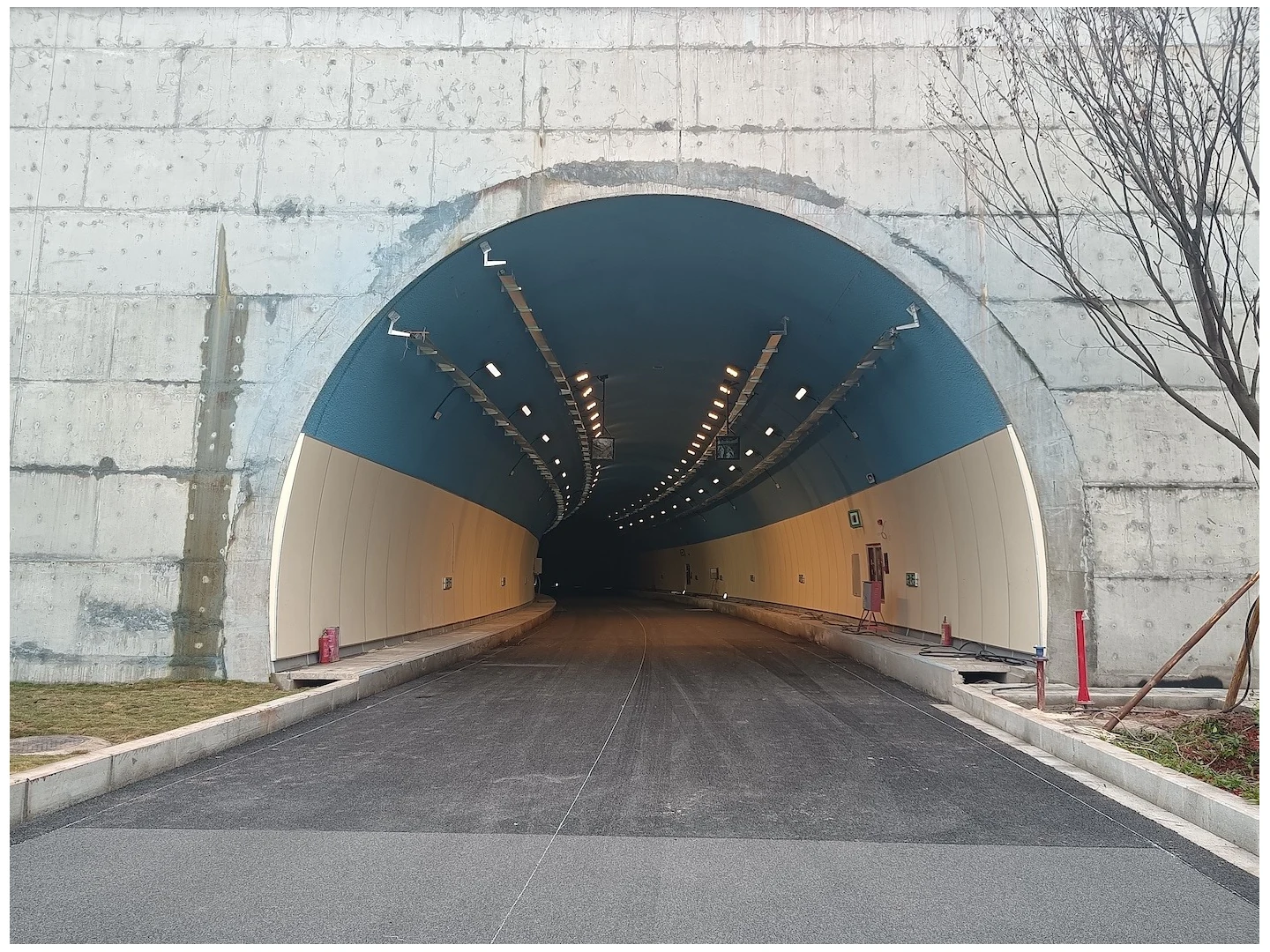
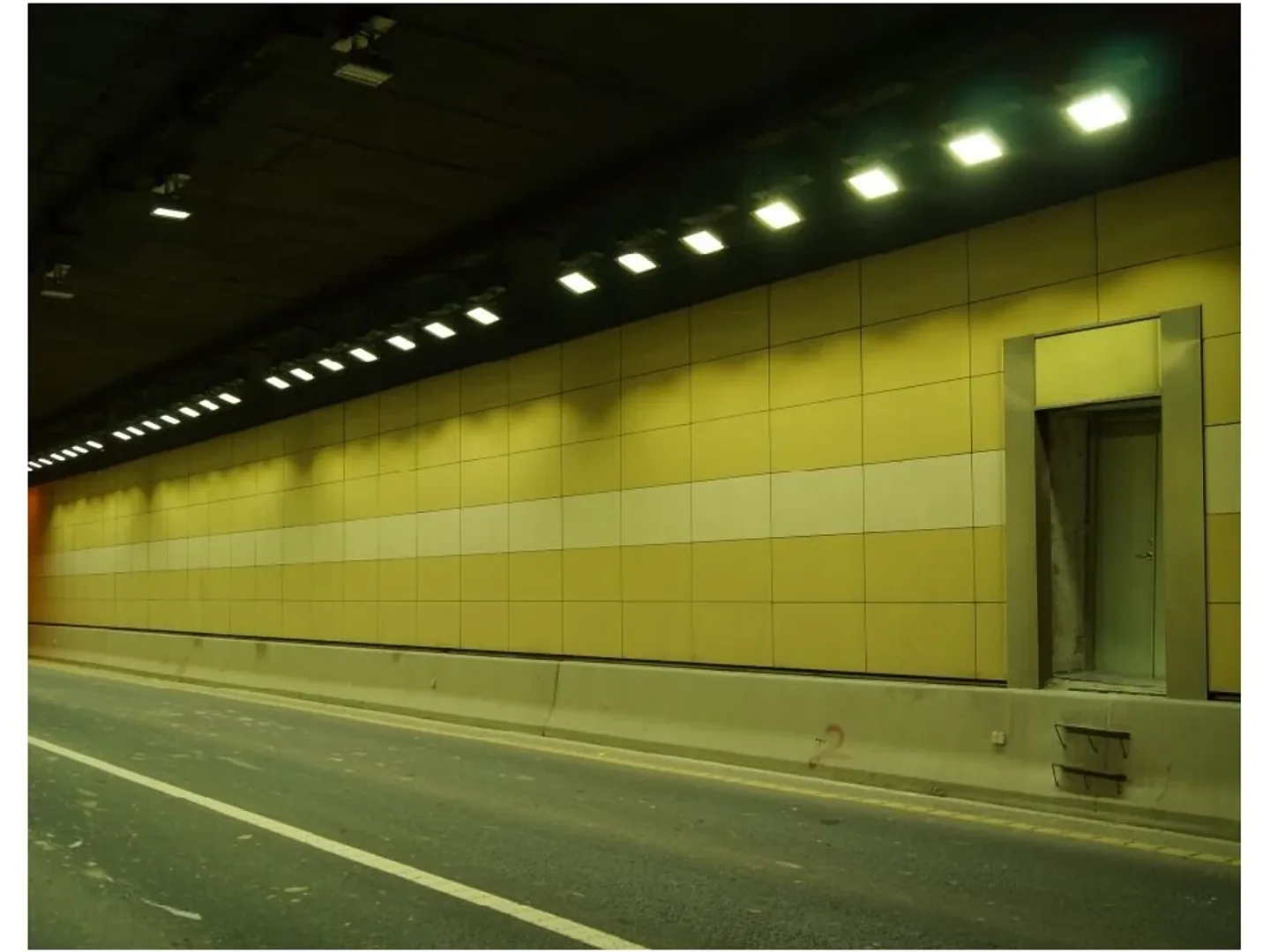
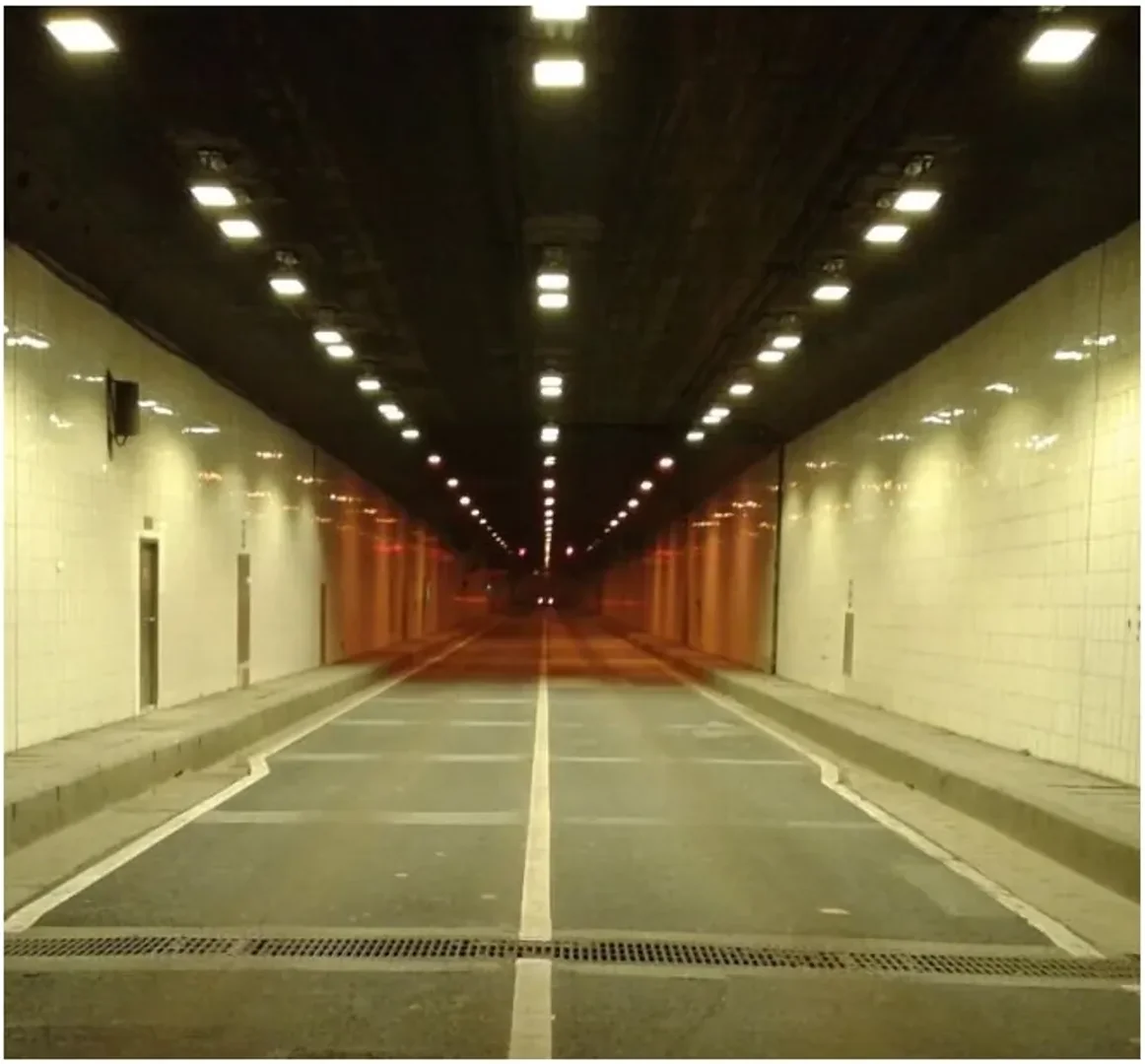
How is a tunnel lighting order structured? Modular, rectangular and linear bodies cover 20–400 W, so an order is counted by body type and by zone rather than by a flat quantity. A tunnel is lit in four zones, and one body per zone is how the luminance steps are confirmed before the full quantity is released.
How is dimming controlled in a tunnel? The standard interface is 0-10V, driven by a photocell at the portal or by the tunnel's own lighting controller, so the interior steps down as the outside brightness falls. Circuits are grouped by zone — threshold, transition, interior, exit — because each zone has a different luminance requirement and dimming them together wastes the saving.
What matters more than warranty length in a tunnel? 3–5 years. All three bodies are IP66 and IK10 with a 50,000-hour rating, and the driver is replaceable on its own, which is the part that counts in a tunnel: a lane closure costs more per hour than the fixture costs per year. Consumables and third-party controllers are outside cover.
What holds up a tunnel light order? 7–15 days. Standard bodies in 0–10 V ship in the lower half; a DALI driver, a ±45° bracket or a zone-by-zone circuit split is a factory build. The dimming protocol has to be agreed with the tunnel controller before release, so that approval is the usual delay.
What inputs does a tunnel study need? Send the cross-section, the portal luminance (L20), the speed limit, the zone lengths and the wall reflectance. Each zone carries its own luminance requirement, so the study runs zone by zone rather than as one block, and the result fixes wattage and spacing per zone.
How is a tunnel fixture tested at the factory? Each body is aged, then surge-tested at 6 kV or 10 kV depending on the site. IP66 is checked on batch samples with the bracket fitted, because the cable entry is where a tunnel washdown finds the weak point. The test report travels with the shipment.