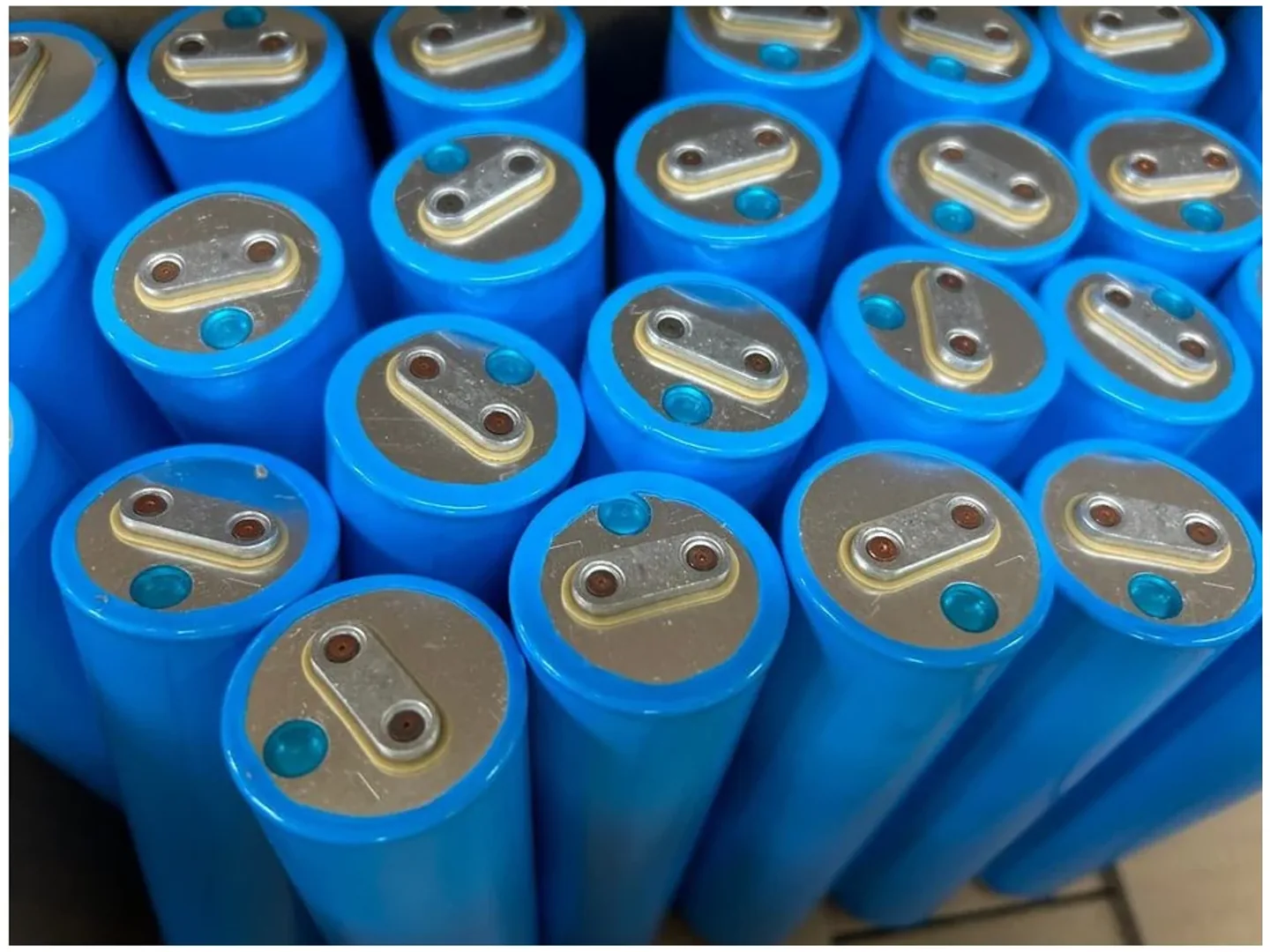
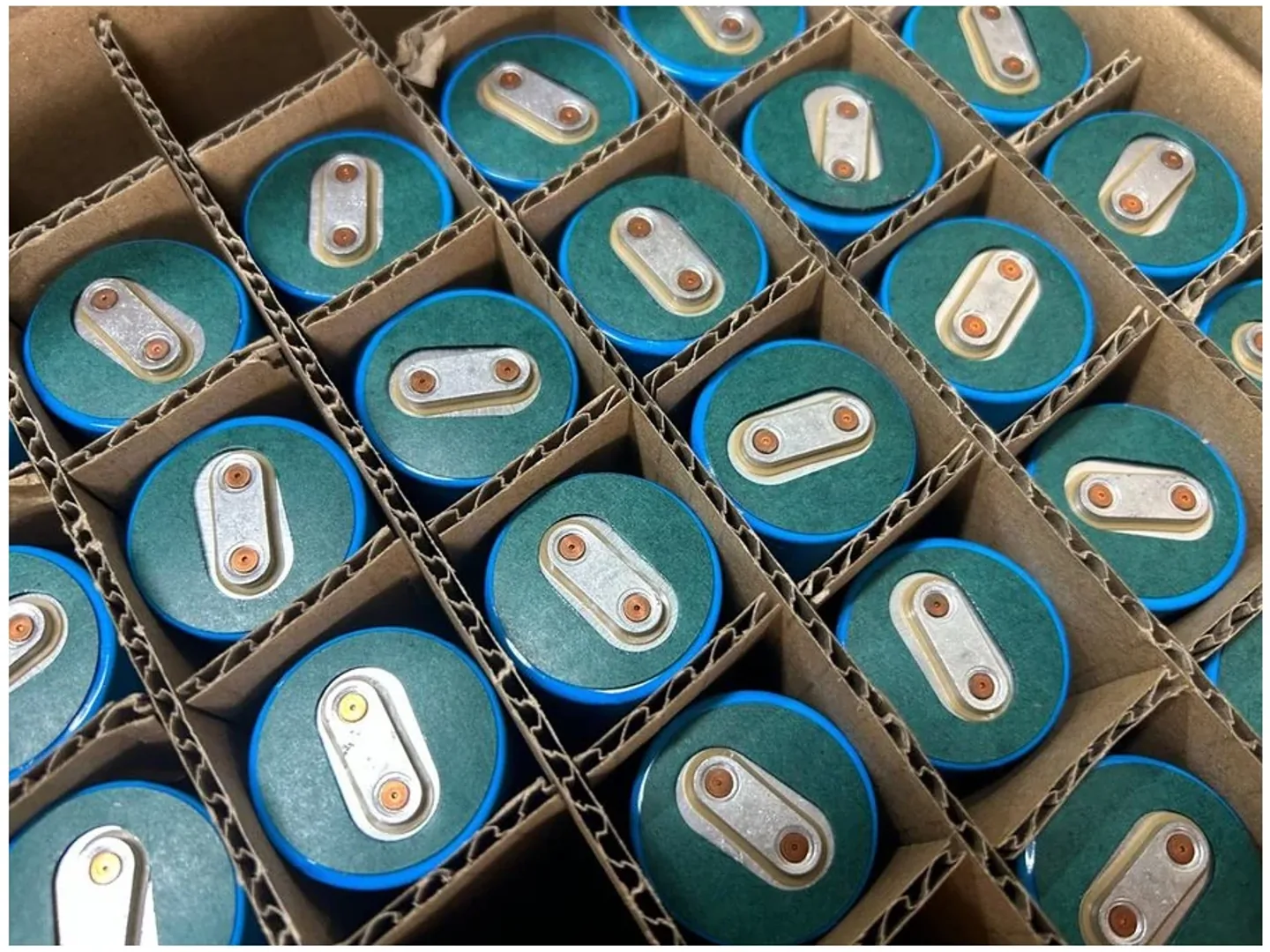
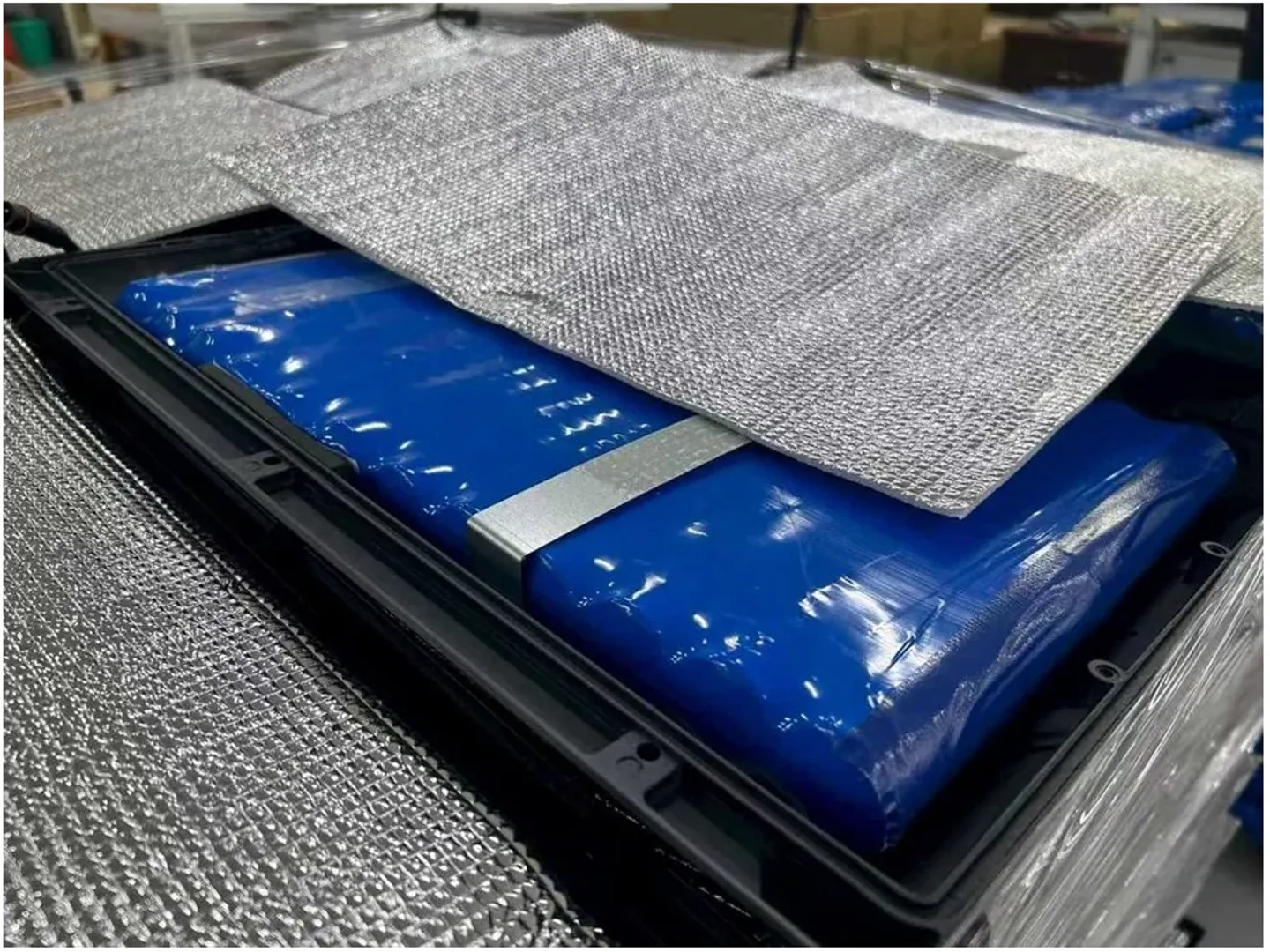
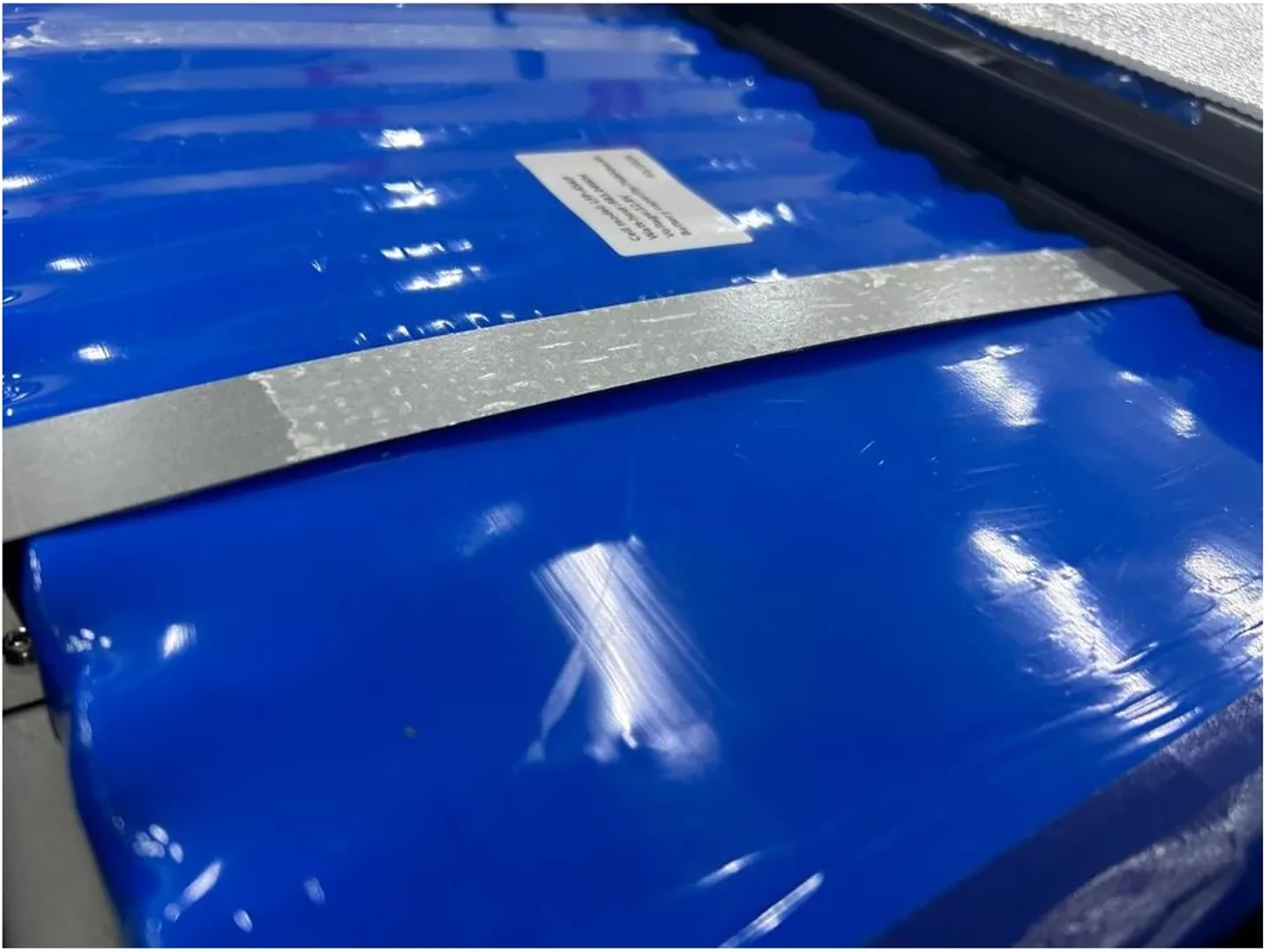
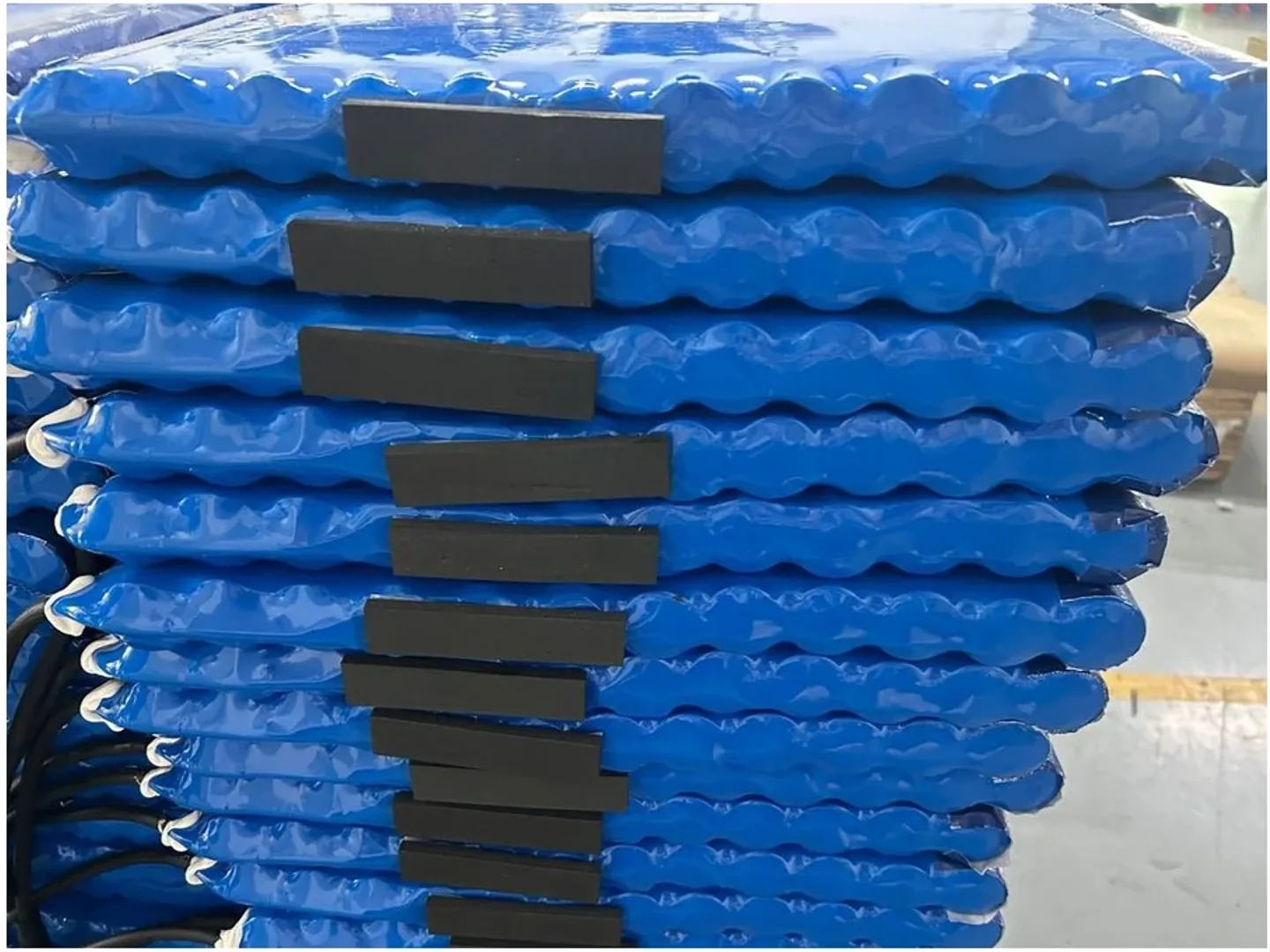
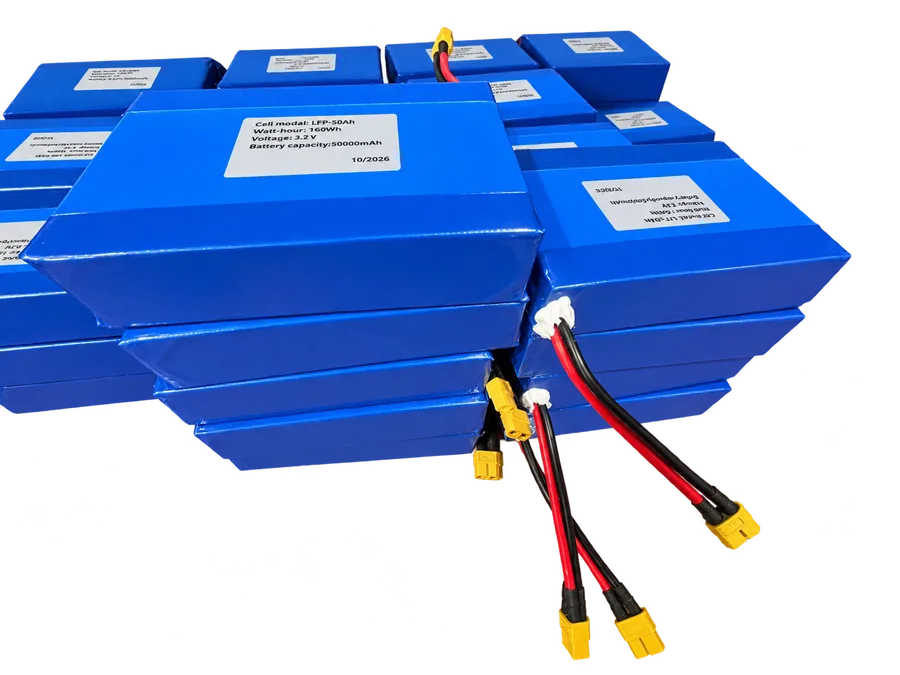
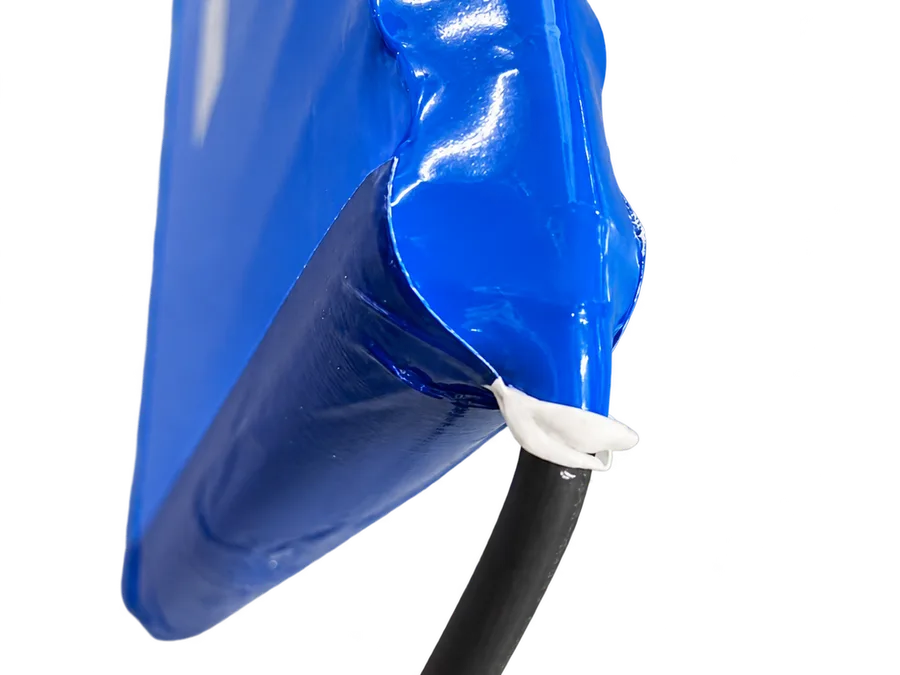
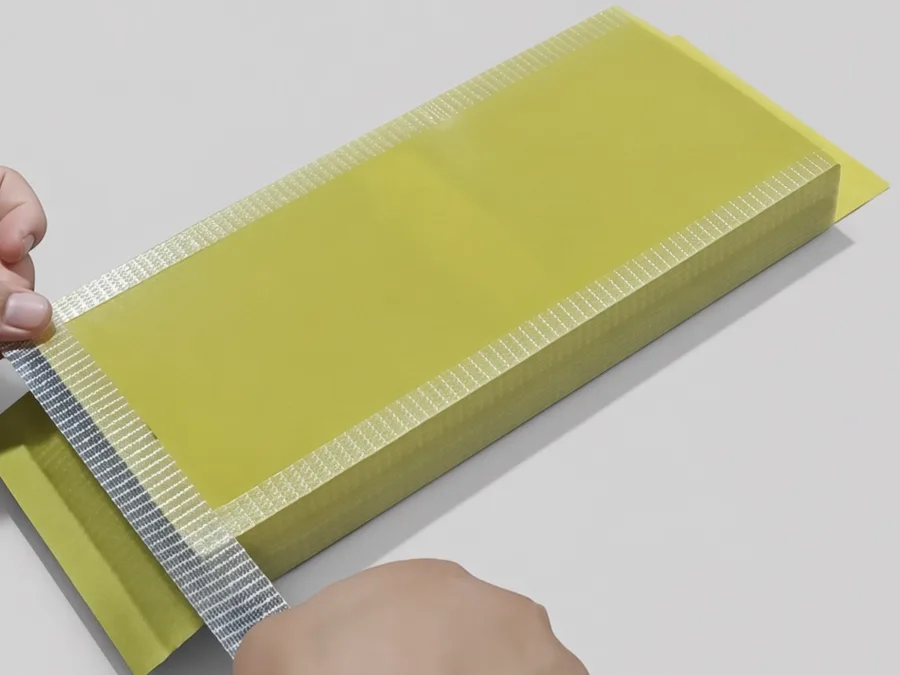
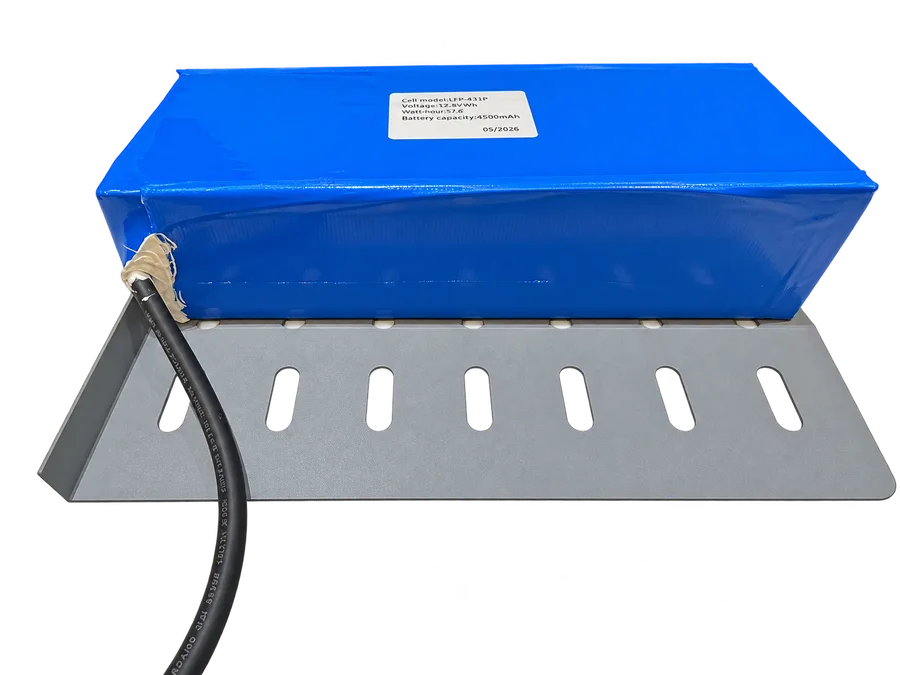
How long does the LiFePO4 battery last? Our Grade-A LiFePO4 packs are rated 3,000 cycles to 80% state of health. At one cycle a night that works out at roughly 8–10 years of service, where ordinary lithium cells in low-cost solar lights usually fall to unusable in 3–5. Three things move that number: the grade and brand of the cell, the depth of discharge the controller is allowed to reach, and heat. LiFePO4 is also the thermally stable chemistry, so it keeps working in conditions that would permanently damage other lithium packs.
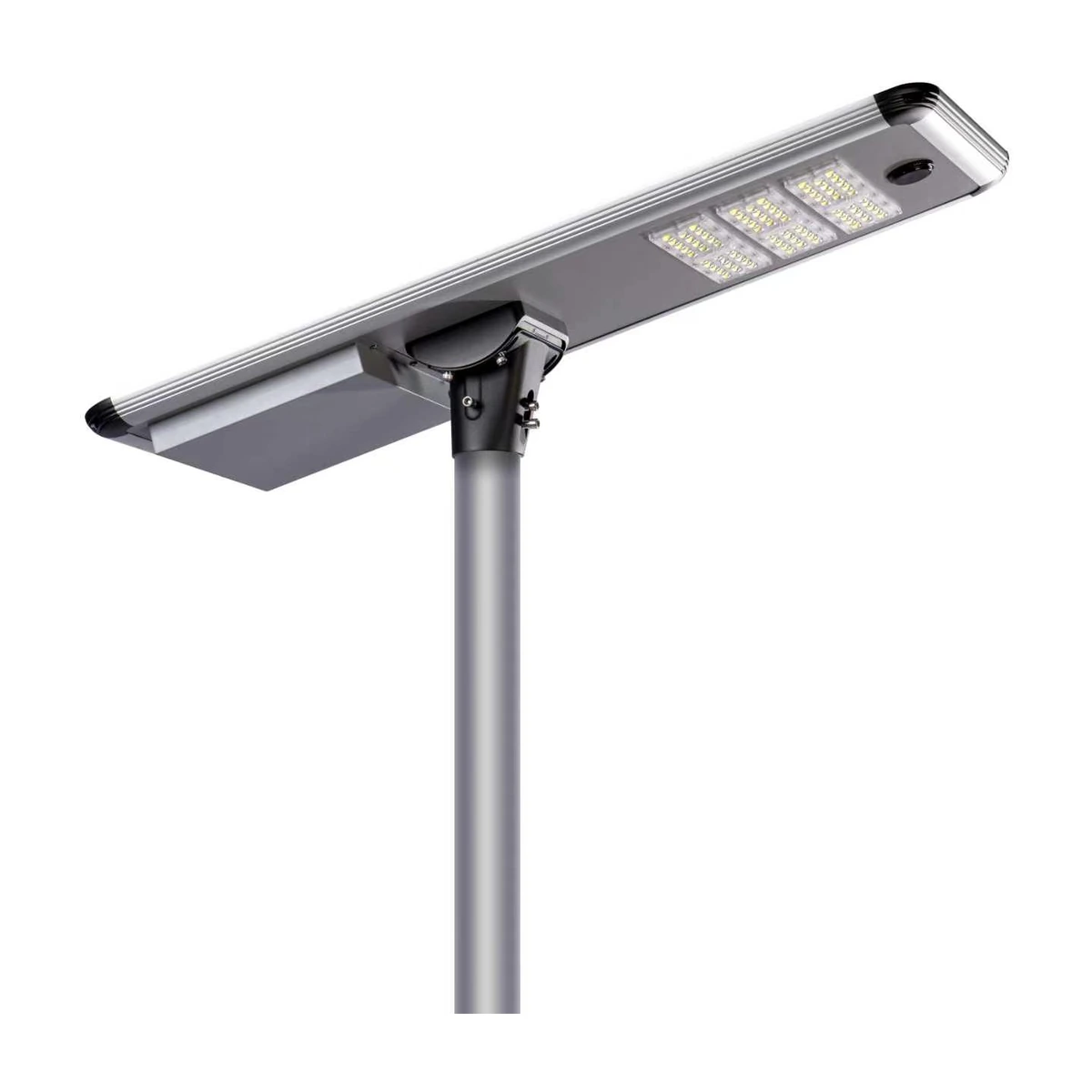
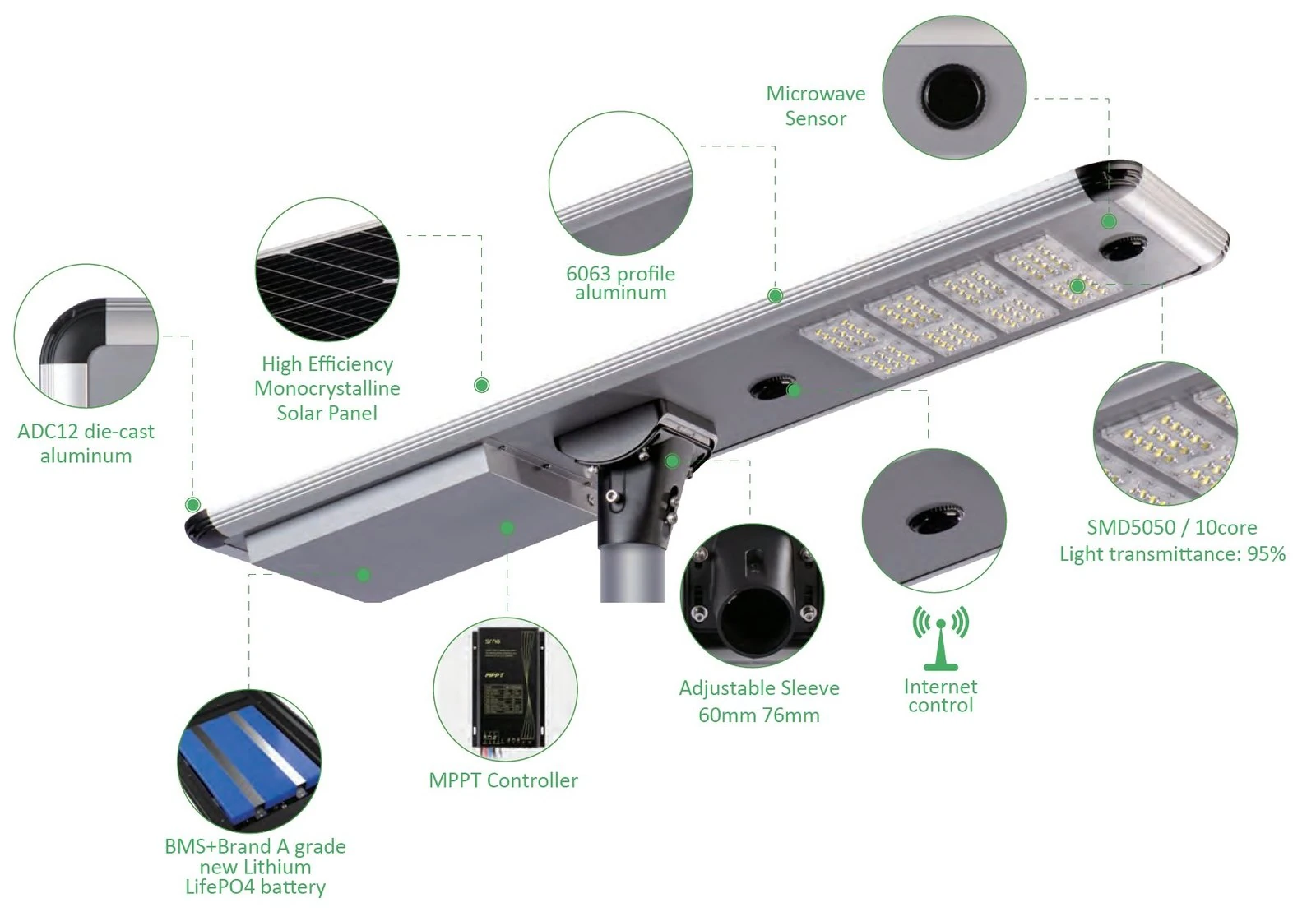
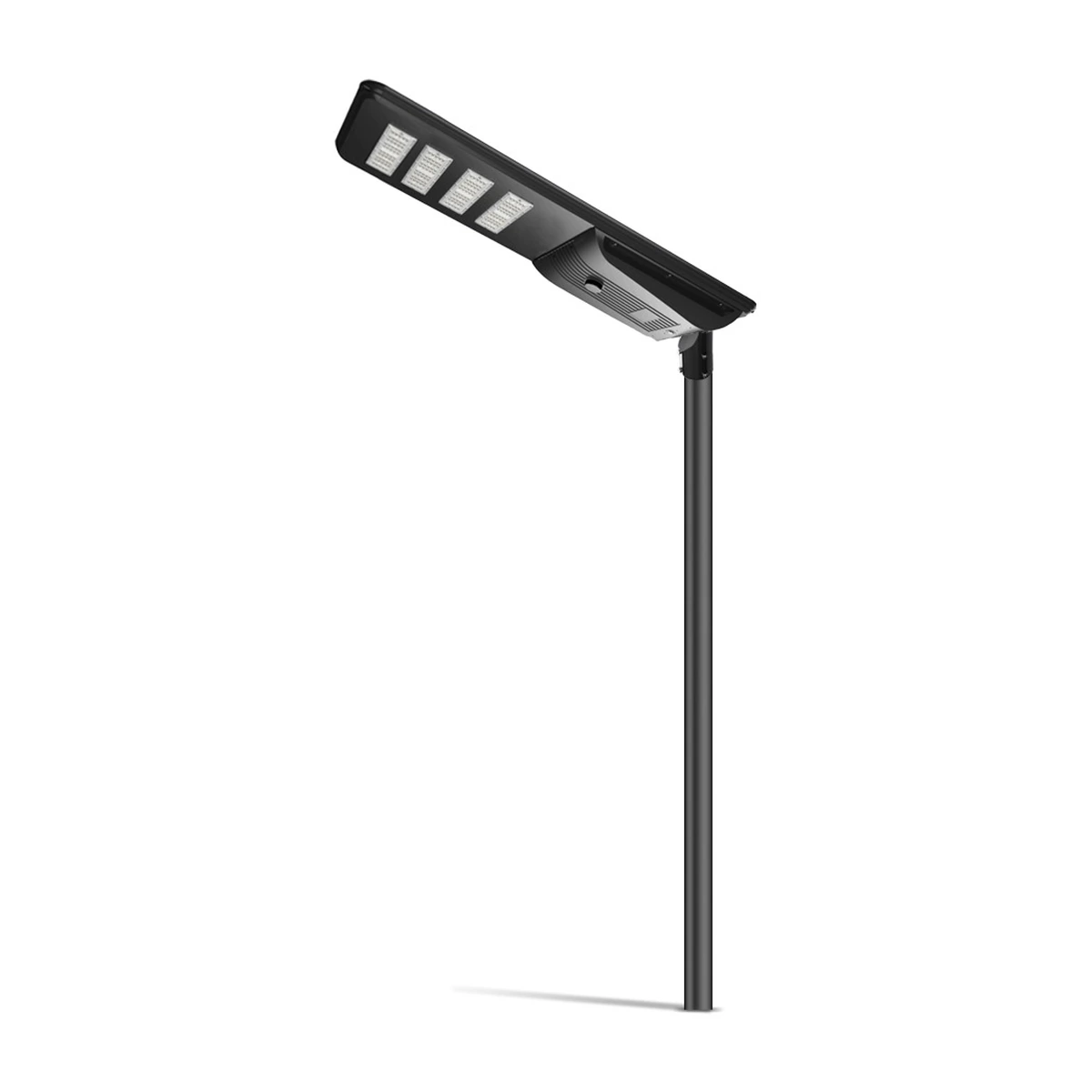
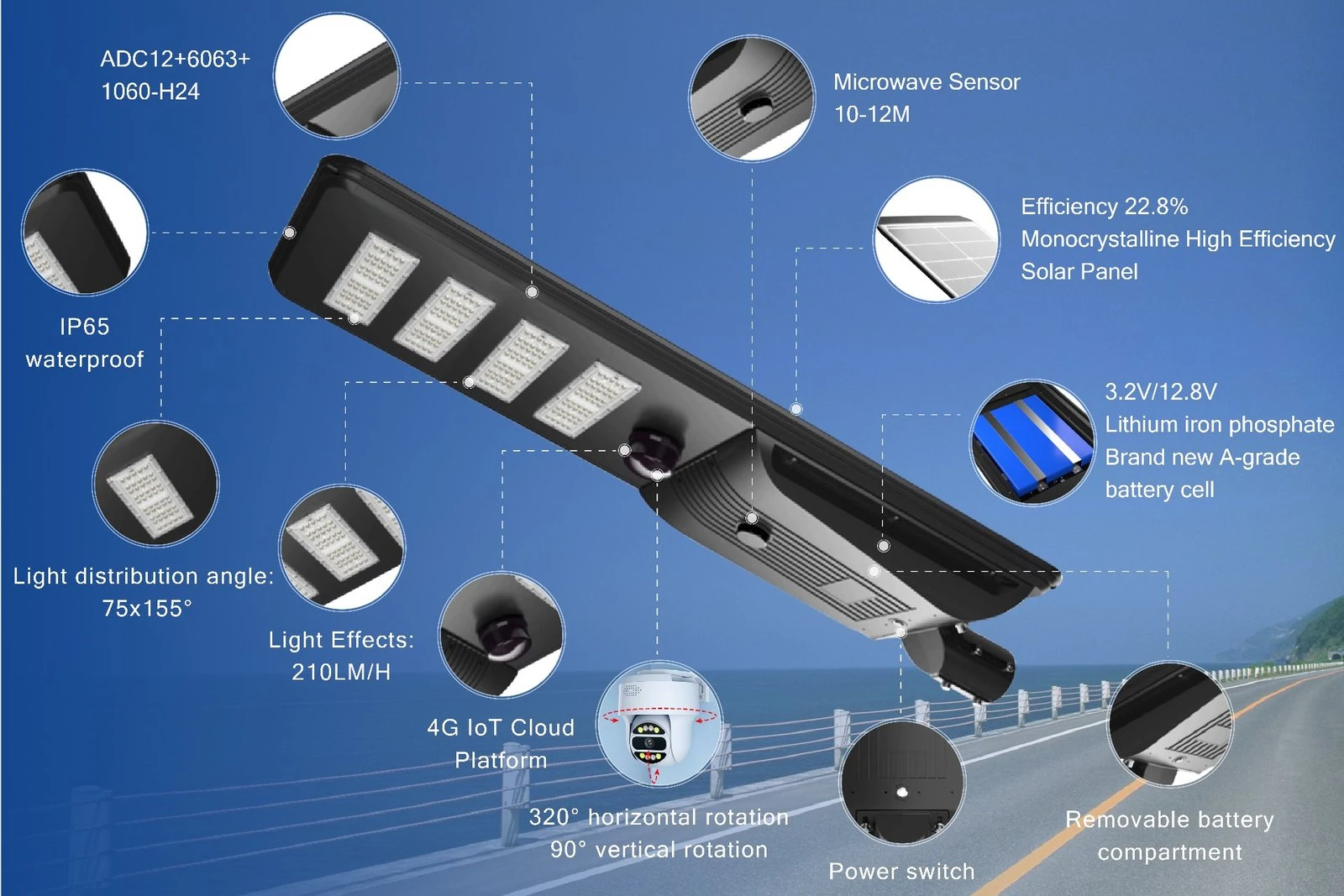
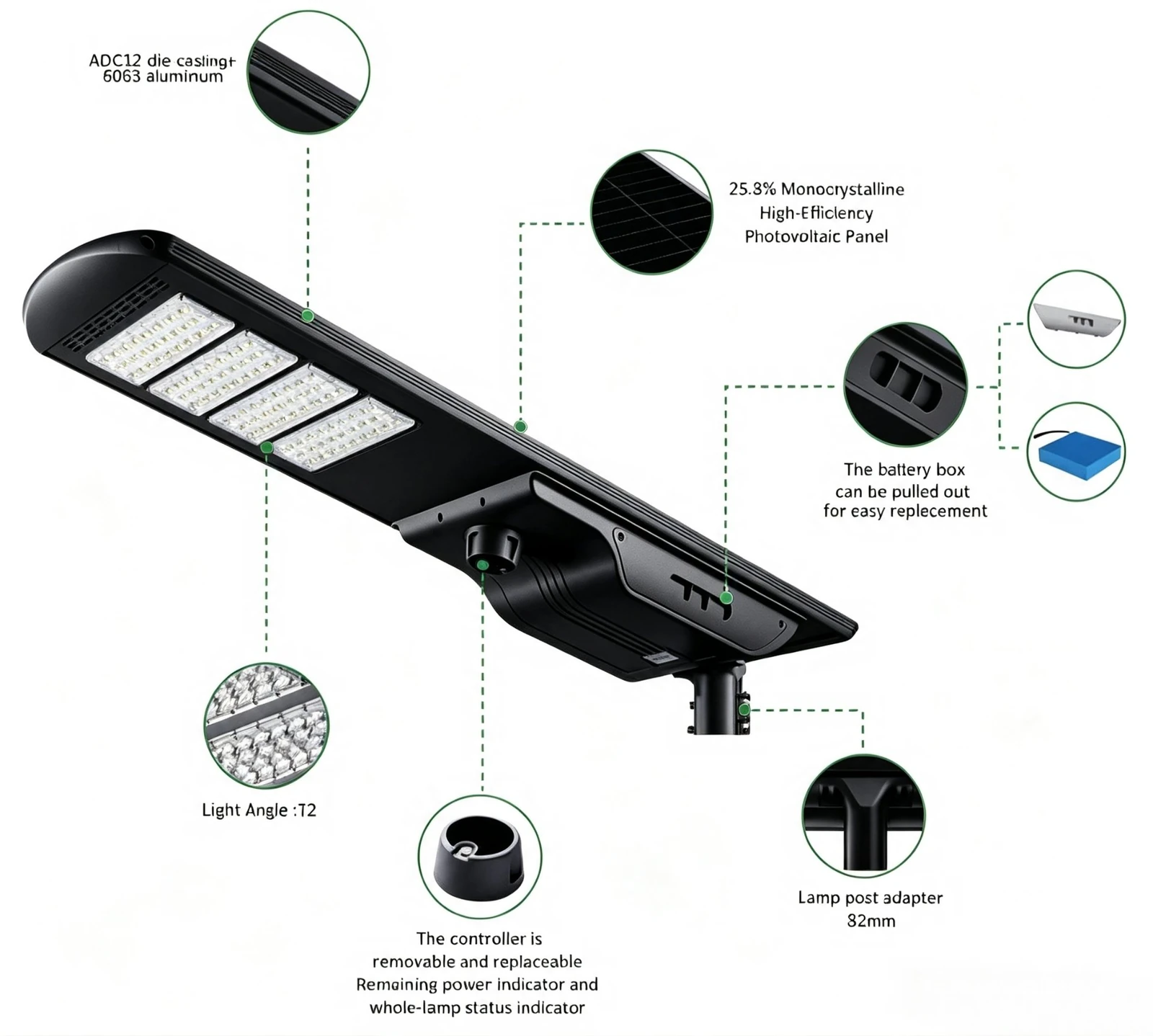
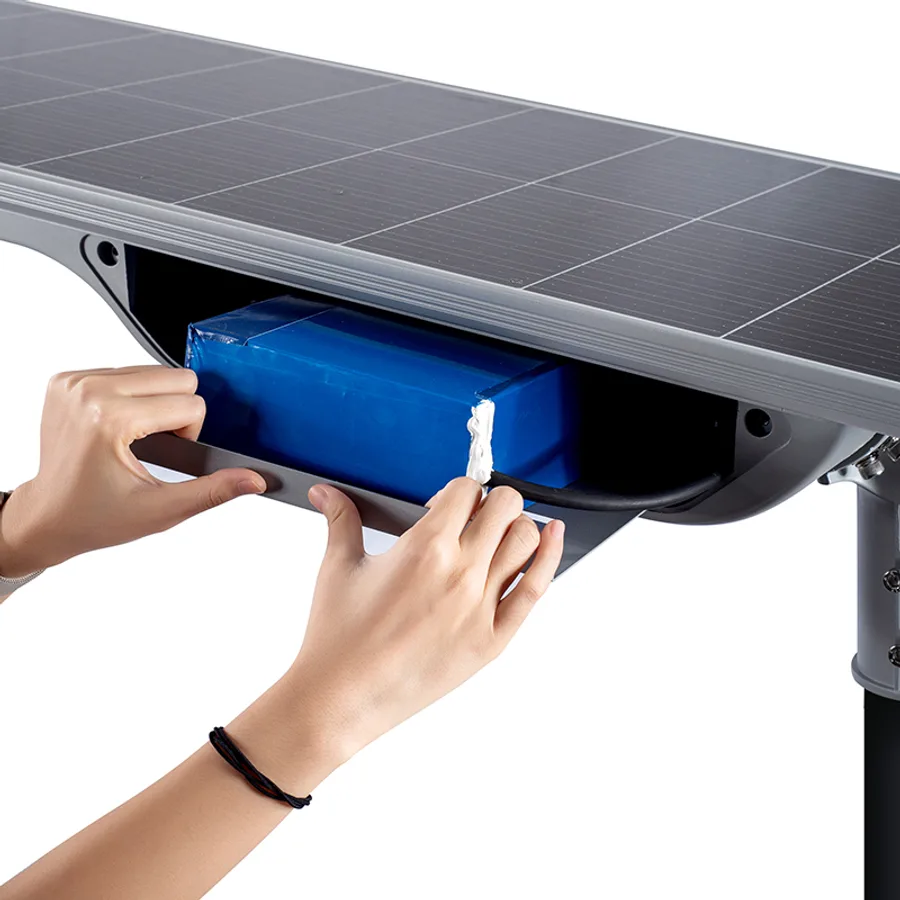
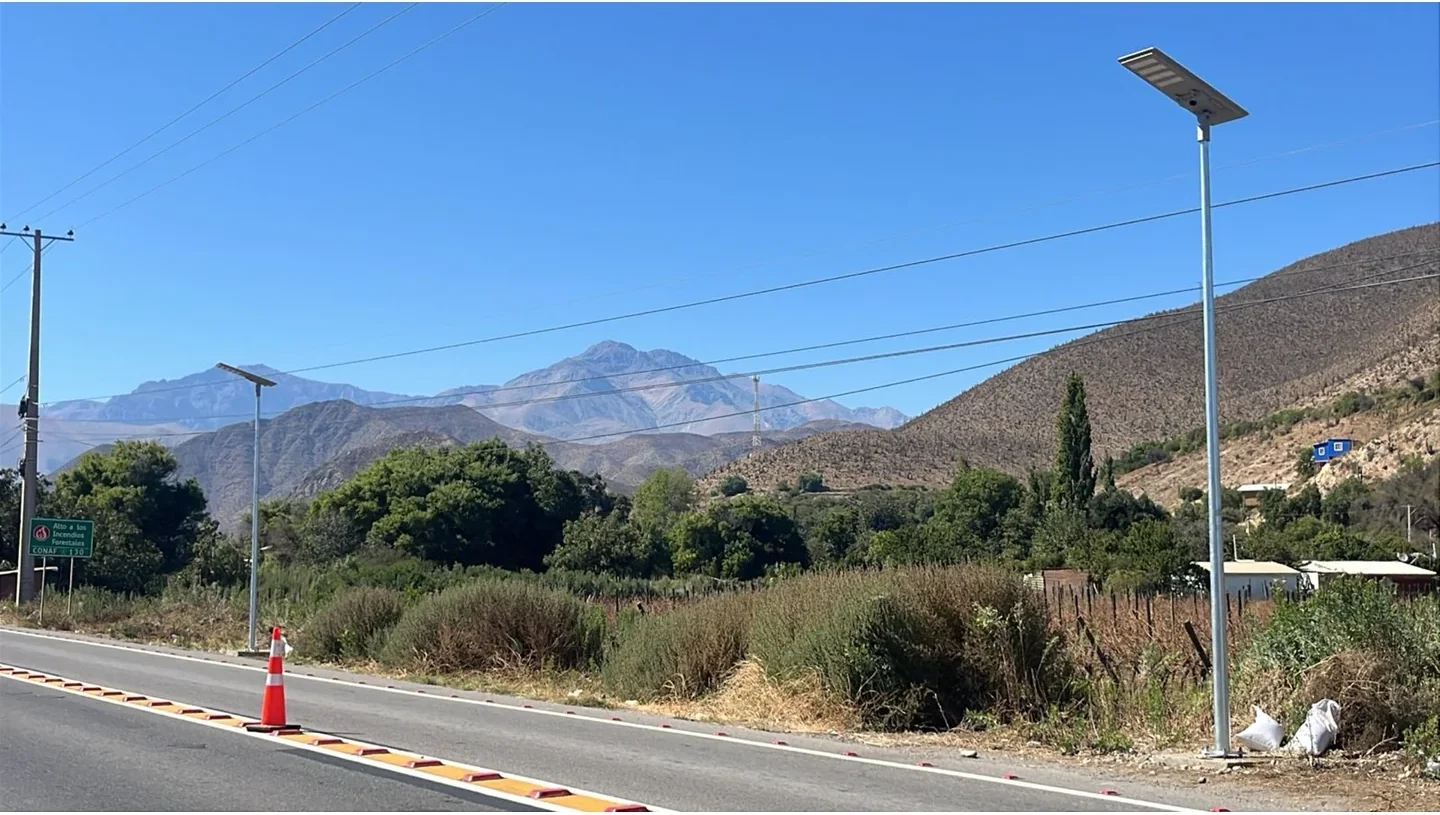
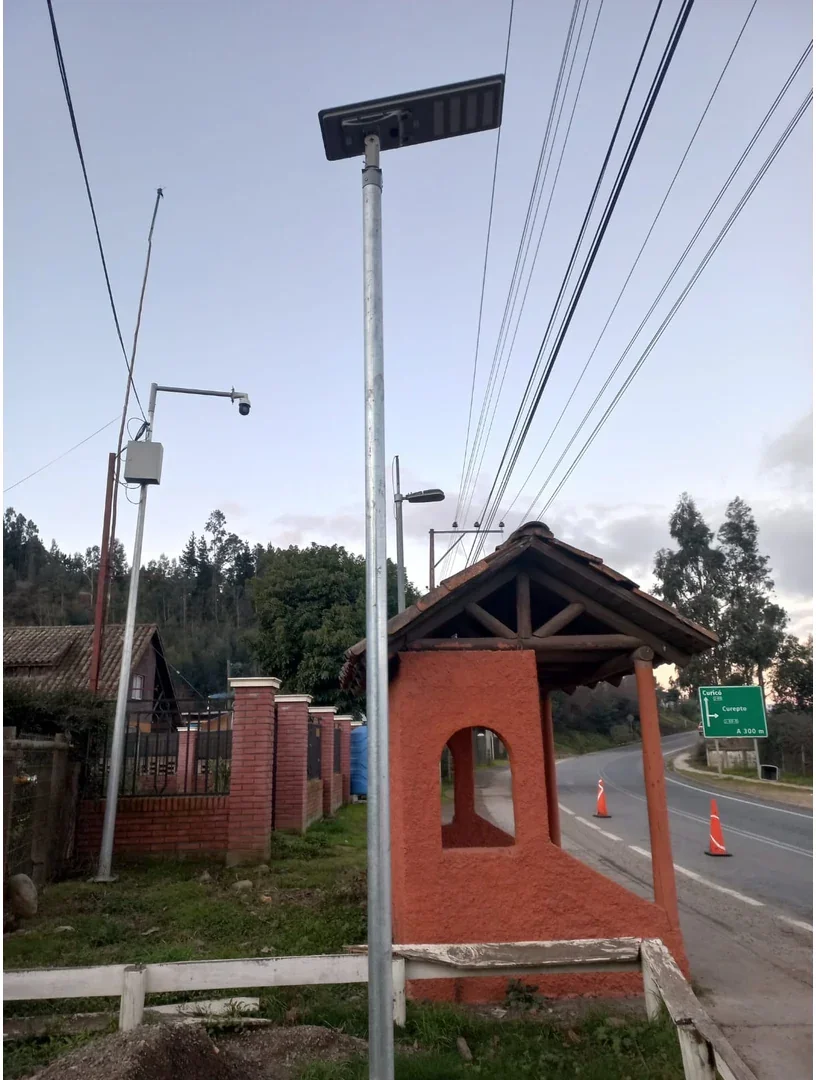
Can I replace the battery without dismantling the light? On the AIOX series, yes — that is what the series was designed around. The independent battery box and the controller both pull out and swap on the pole: no crane, no lamp removal, minutes per unit. On AIOH and AIOAS the pack sits inside the all-in-one housing, so a replacement opens the top of the fixture while the pole, bracket and panel stay where they are. Either way there is no trenching, no rewiring and no re-aiming.
How many consecutive rainy days can it support? Typically 3–5 consecutive days, and the exact number is fixed when the system is sized, not on the night: every series is specified at 3–5 days of autonomy at 12 hours a night. For a site with week-long overcast seasons, or a road where a dark night is not acceptable, we take one of two routes — a larger battery and panel with an MPPT controller so the pack recovers faster, or a hybrid pole that falls back on a small grid connection. Tell us the worst weather stretch on your site and we size to that, not to the annual average.
Can your solar lights work in cold or very hot climates? Yes. All three series are engineered for a -20°C to +65°C operating range, and the LiFePO4 chemistry keeps working reliably in extreme temperatures that would degrade other batteries.
Which choice actually moves the lead time on a solar street light? 7–15 days. All three series share the housing platform, so the series itself does not move the date; battery capacity, a pole-and-bracket package and the certification documents for a tender do. A project that needs the full document pack should plan on the upper half.
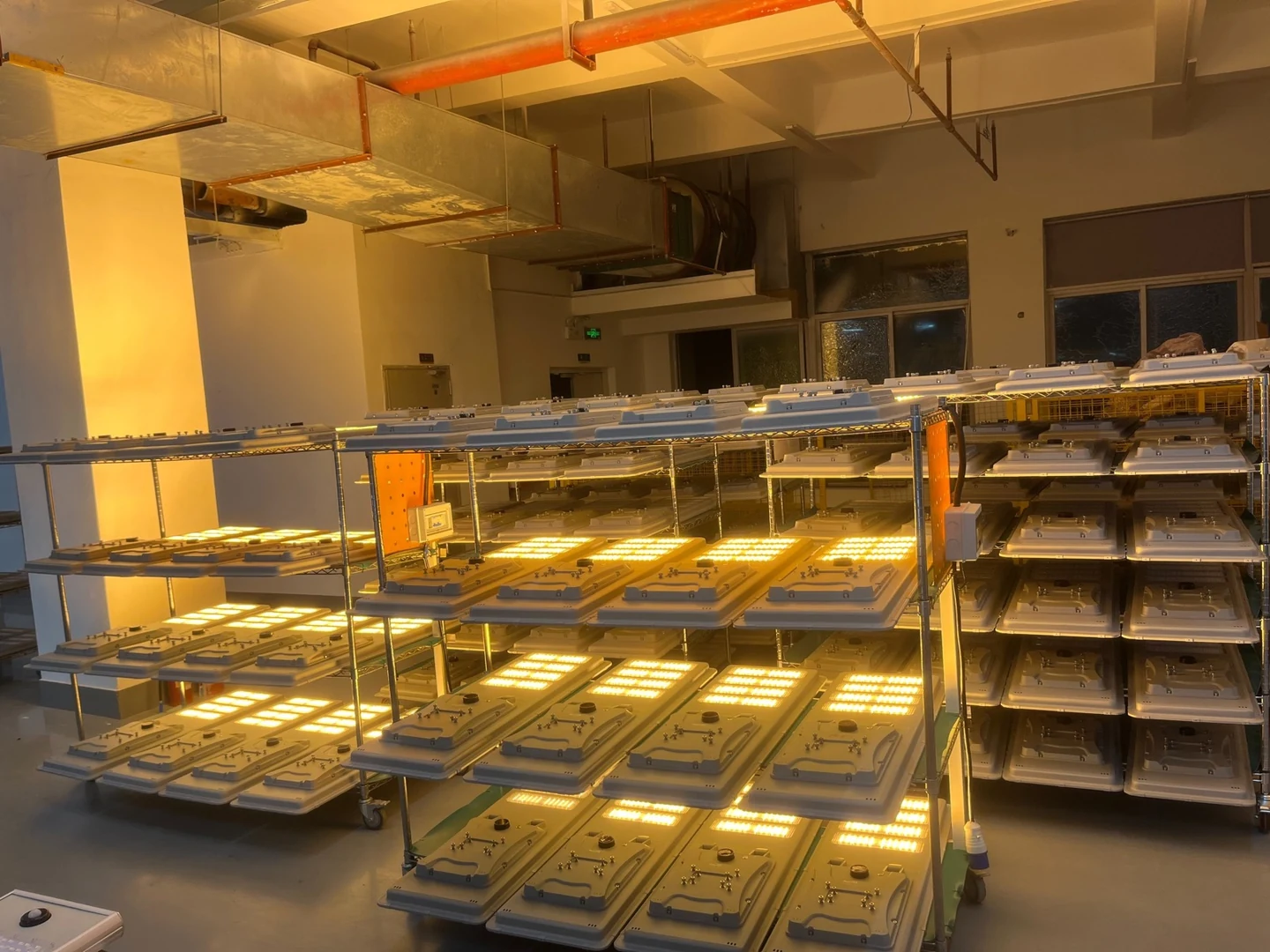
What's the warranty coverage for commercial projects? The same standard terms apply to one pole or a hundred: 3–5 years on AIOH and AIOX, 5 years on AIOAS. Commercial orders are covered unit by unit from the 24-hour pre-shipment aging test, and the warranty period is stated in the quotation so it can go straight into a tender file. Physical damage in service is outside cover; the luminaire itself, including the integrated LiFePO4 pack, is inside it.