
Last updated:
Luxey Lighting (Shenzhen Luxey Co., Ltd.) has made LED street lights in Shenzhen since 2007. Two families cover 50–300 W: the LSL cobra head and the FSL adjustable-angle body, which reaches 170 lm/W. Both use one-piece ADC12 die-cast aluminium housings rated IP67, Japanese Teijin 1250Z lenses behind tempered glass, T3 optics and built-in 6 kV surge protection, and the FSL carries a wind resistance rating of level 10. Control options include photocell, microwave motion sensing, ZigBee and 4G. Every unit is ageing-tested under ISO 9001, lead time is 7–15 days, and a free DIALux study is available before ordering.
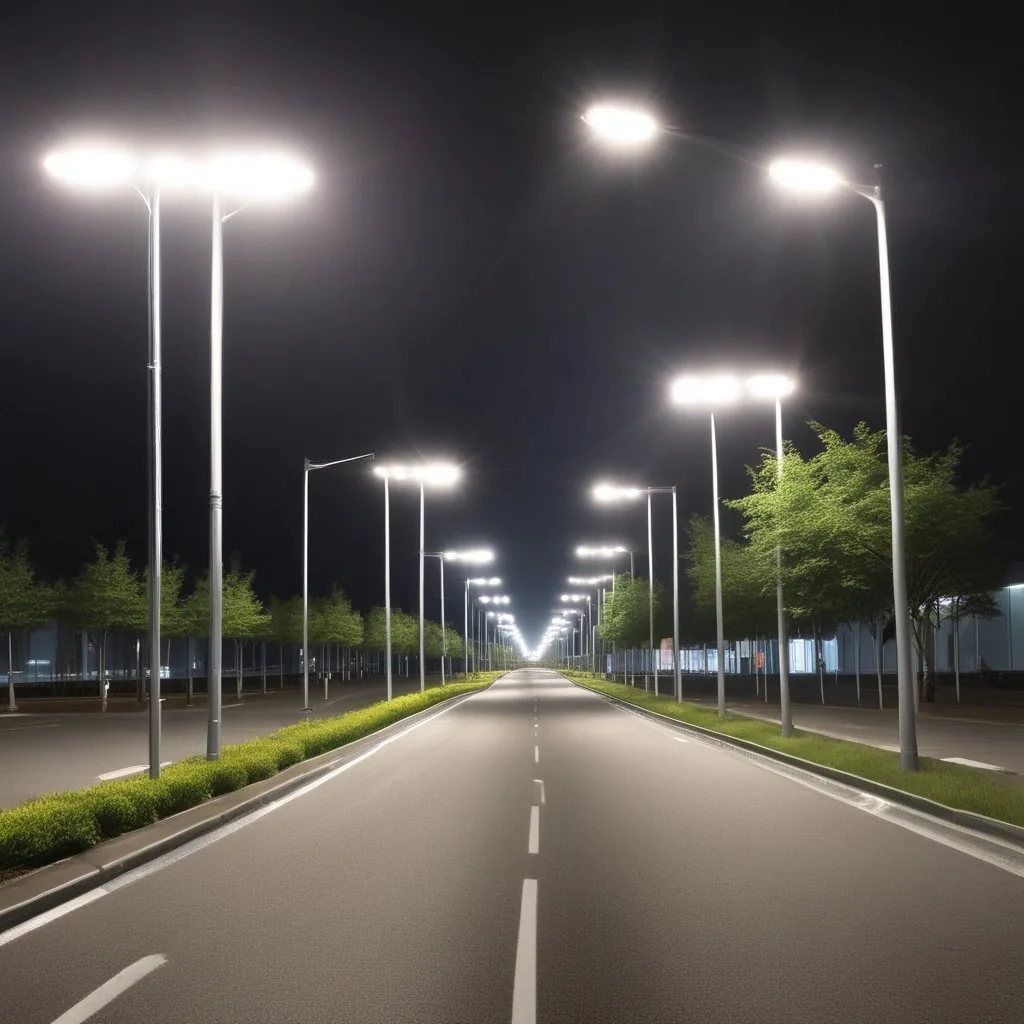
The LSL from 50W to 300W with advanced FEA technology, the structure is optimized during design process. Thus our clients are buying products at best cost-efficiency and reliable quality.
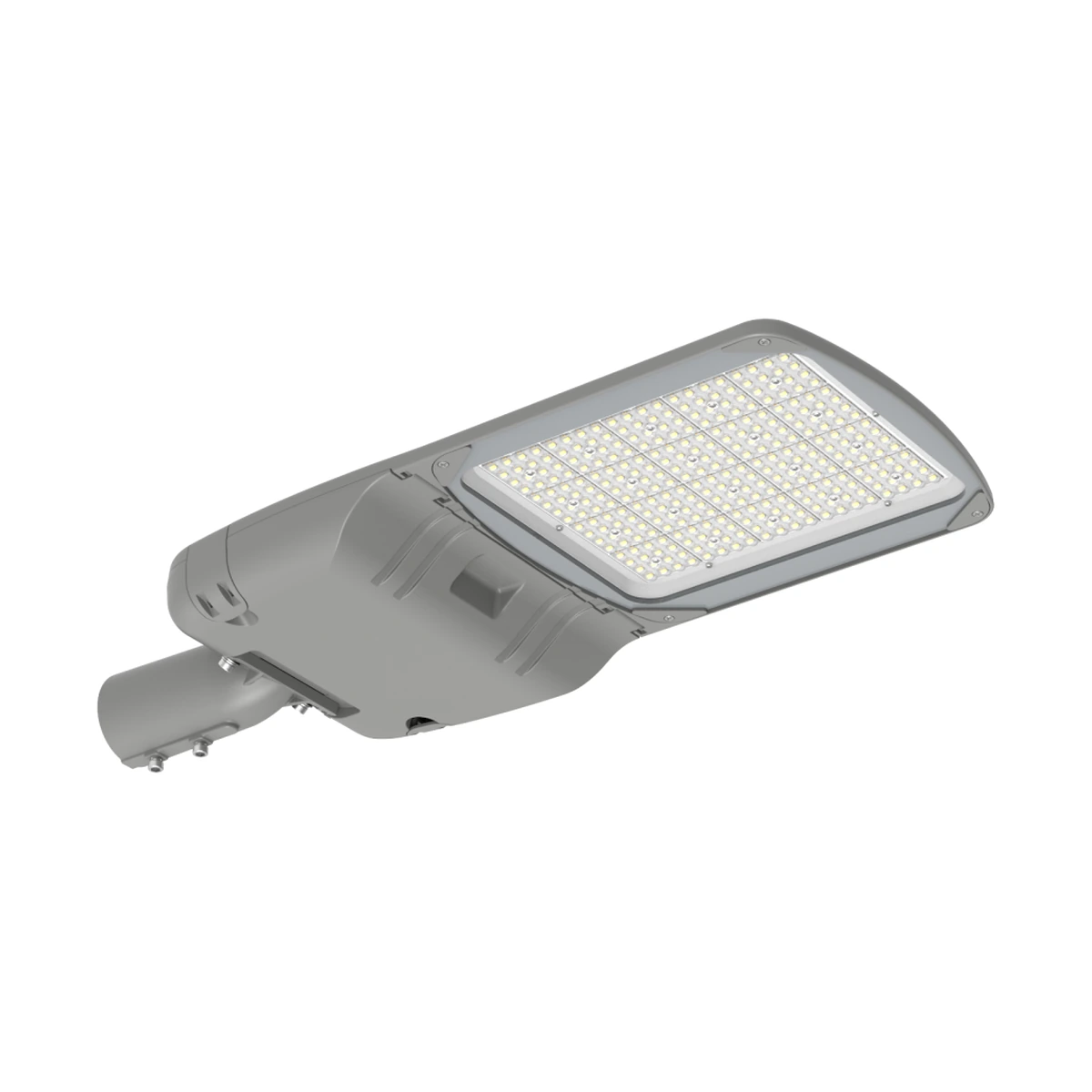
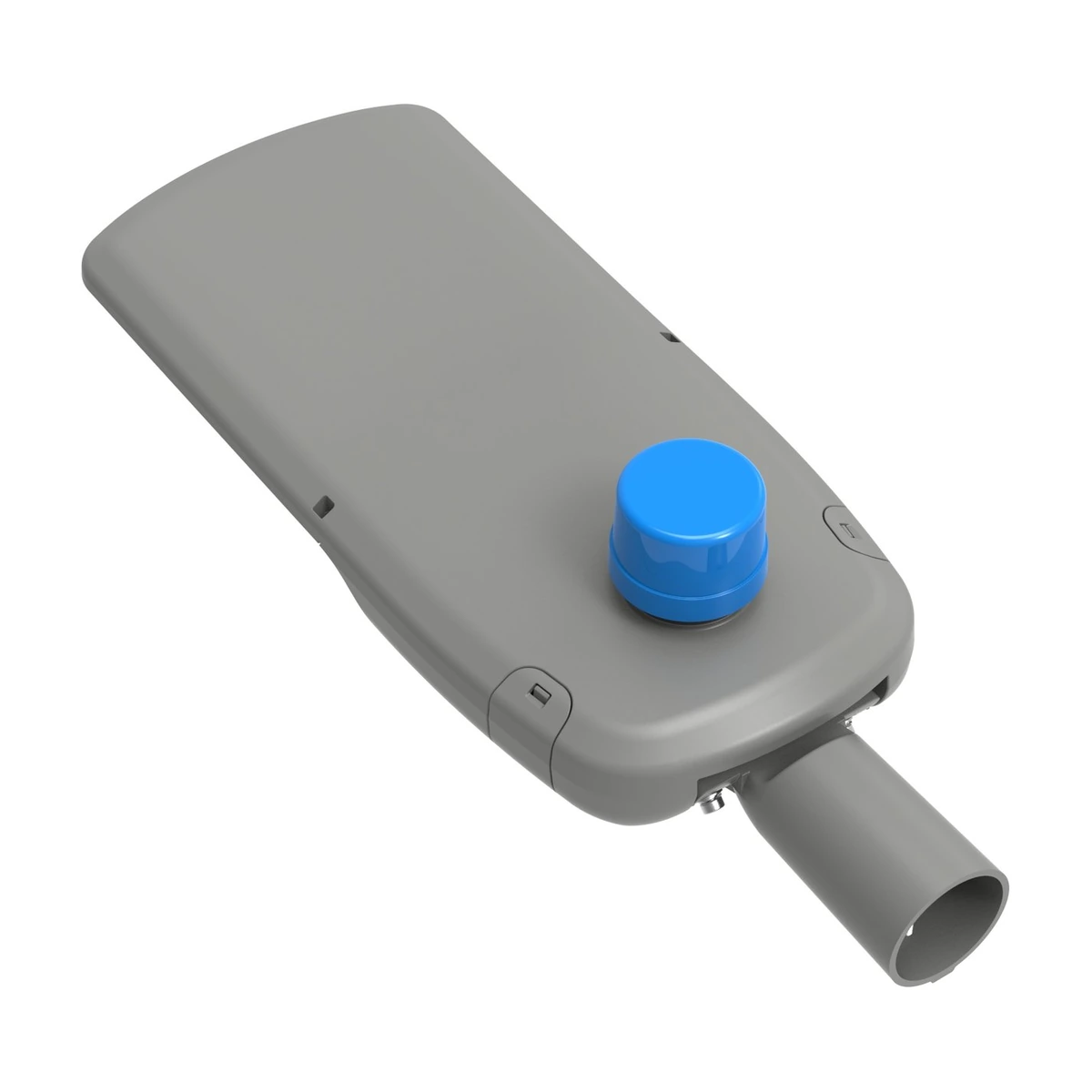
The FSL LED street light, from 50W to 200W, features a tool-free gear tray for quick, one-step maintenance—ideal for smart city and public lighting upgrades.
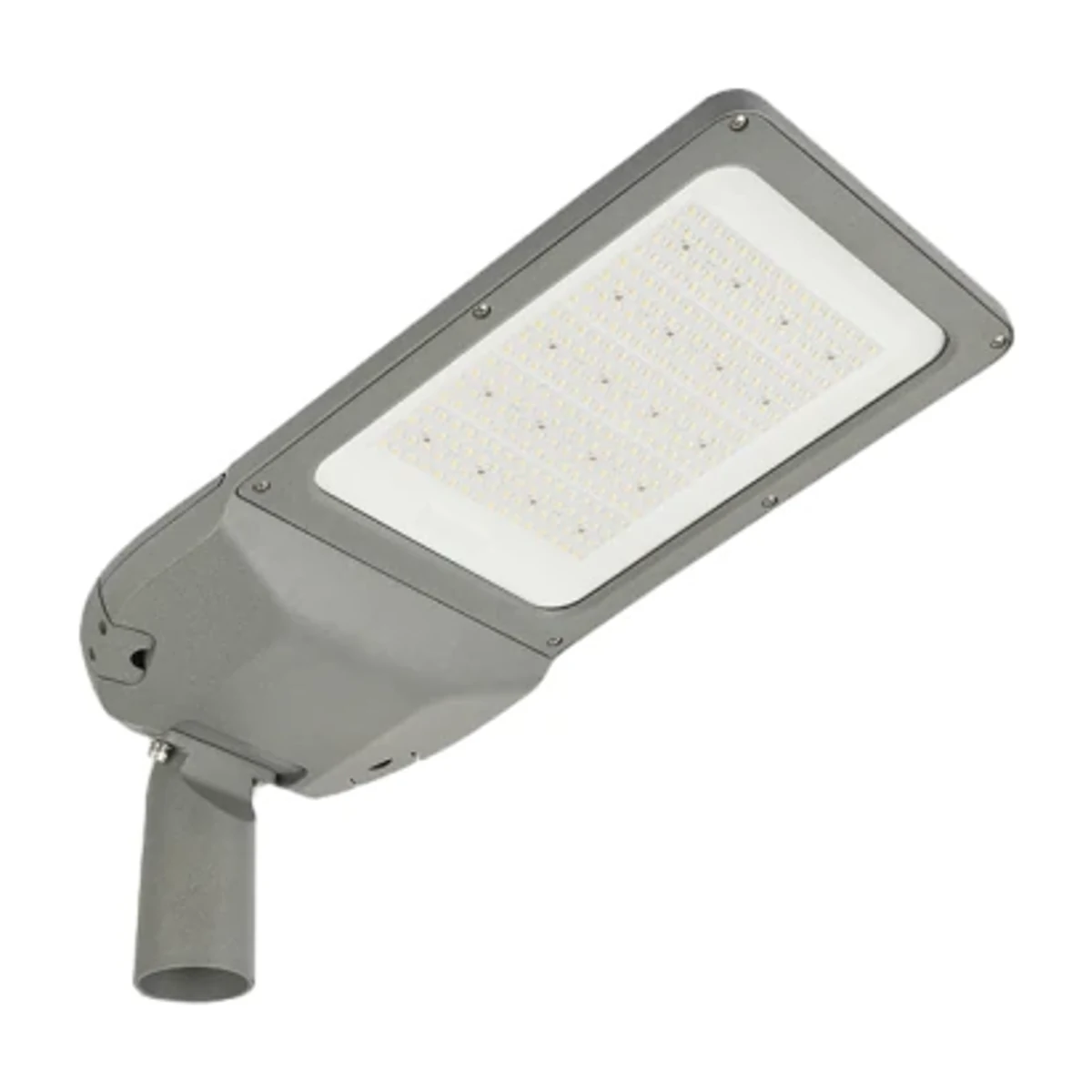
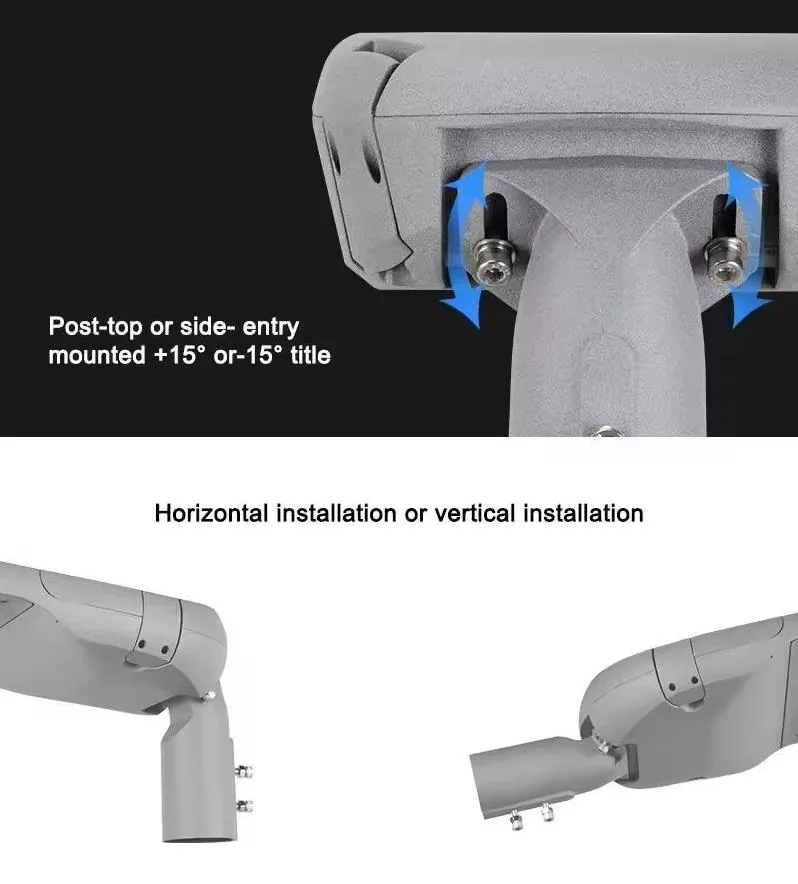
ADC12 one-piece housing, IP67, Teijin 1250Z lens, T3 optics and 6 kV surge; the FSL reaches 170 lm/W at wind resistance level 10.
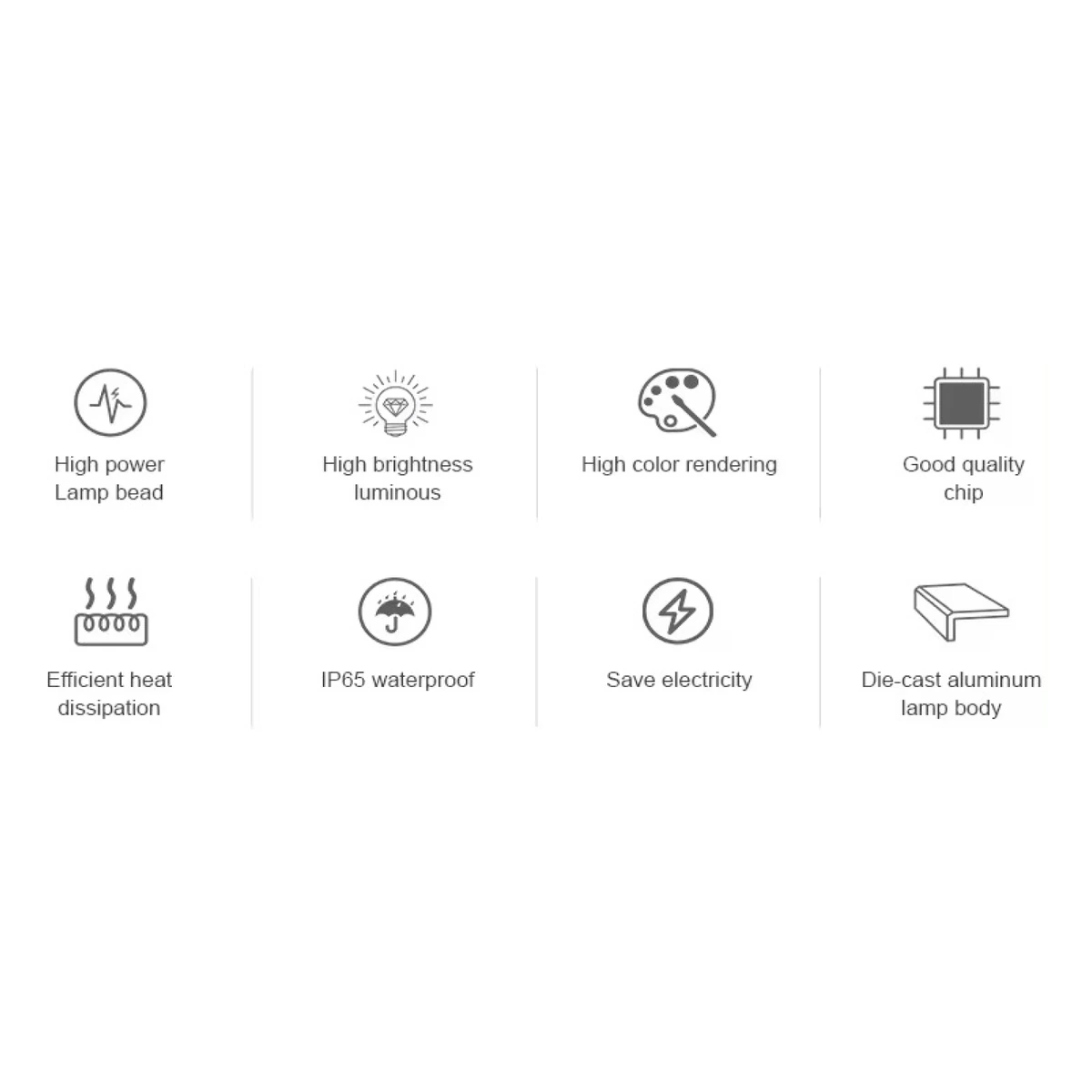
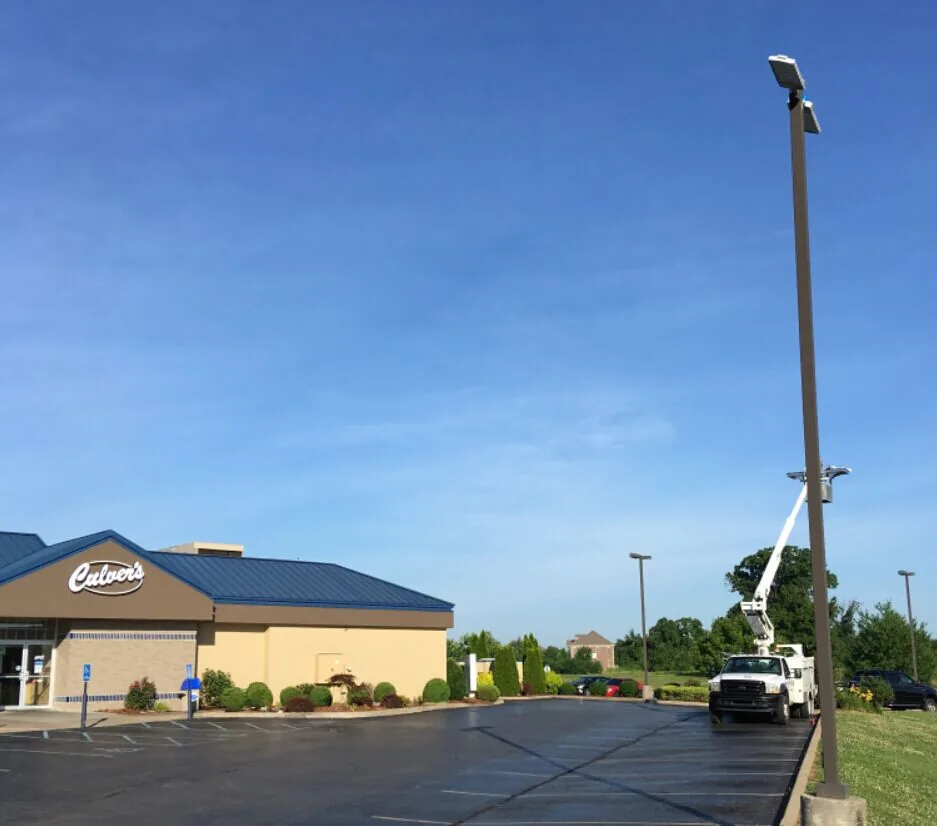
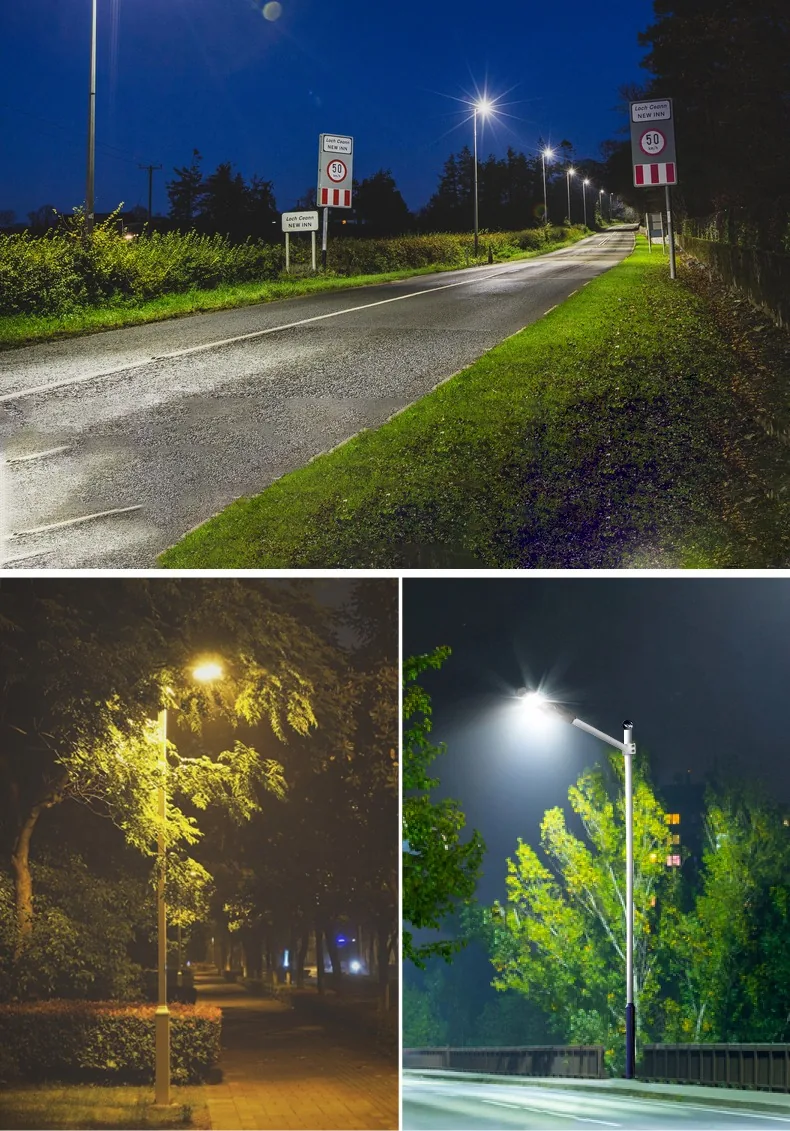
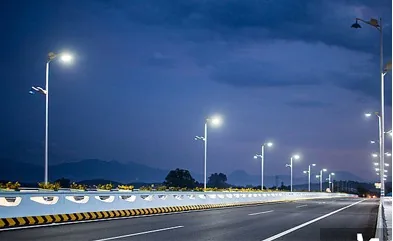
Two families cover the work. The LSL cobra head runs 50–300 W for main roads, urban streets, residential roads and school zones. The FSL adjustable-angle body reaches 170 lm/W and carries a wind resistance rating of level 10, which is what a coastal road or a highway interchange needs. Both use one-piece ADC12 die-cast aluminium housings rated IP67, Japanese Teijin 1250Z lenses behind tempered glass, T3 optics and built-in 6 kV surge protection, with photocell, microwave, ZigBee or 4G control.
Which control options work with the street light range? Both families take a photocell, microwave motion sensing, ZigBee or 4G, with the dimming profile set at the factory against the schedule the authority accepts. The LSL cobra head and the FSL adjustable body share the same options, so a mixed installation runs on one gateway.
What does IP67 add over IP65 for a street light? IP67 means the housing survives temporary immersion, not just water jets. On a street pole the practical difference sits in the joint that faces up: driving rain, spray from passing trucks and washdown from a road crew all attack the same gasket, and IP67 gives that joint a margin IP65 does not.
What does the street light warranty exclude? 3–5 years on the LSL and the FSL, stated on the quotation. Both are IP67 with built-in 6 kV surge protection, and the FSL carries a wind resistance rating of level 10. Poles, brackets and any controller fitted by a third party are outside the cover.
What changes the lead time on a street light order? 7–15 days. The housing is a one-piece ADC12 die-casting, so a standard body in a standard finish ships in the lower half. A municipal RAL colour, a ZigBee or 4G module or a non-standard bracket is a factory build and takes the upper half.
How is a street light order counted? Two families cover 50–300 W, so MOQ follows the model and the arm length rather than a single number. A first order can be a handful of units at one wattage on one bracket; a tender is counted in poles, and the spare ratio is agreed at that stage.
Can your lights be used for public lighting tenders? Yes — and the terminology is where most confusion starts: Latin American tenders describe the same scope as alumbrado público, iluminación pública or iluminación de calles, and the documents they ask for are identical. A DIALux simulation for the road class you are lighting, a datasheet with wattage, CCT, luminous flux and IP rating, a warranty letter that can go into the tender file, and packing lists per pole when delivery is phased. Send the tender reference and the road class, and we return a specification you can paste into the technical annex rather than a catalogue page.