
Last updated:
Luxey Lighting (Shenzhen Luxey Co., Ltd.) has built LED stadium lights in Shenzhen since 2007. The TFL range runs from 400 W to 1800 W using Philips SMD LEDs and MEAN WELL drivers, reaching 160 lm/W, with an integrated die-cast aluminium housing, a honeycomb heat sink and multiple lens options for different pitch layouts. Fixtures are IP66 and anti-corrosion treated, carry ETL, CE, RoHS, FCC and SAA, and are covered by a 5-year warranty on both fixture and driver. A DIALux study with the illuminance grid, uniformity ratio and glare rating for your competition class comes before ordering; lead time is 7–15 days.
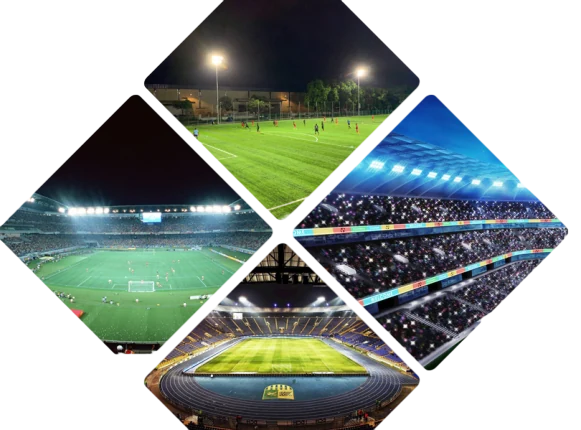
Our high-performance LED stadium lights TFL series are designed for large-scale outdoor venues, offering wattage options from 400W to 1800W (400W/600W/800W/1000W/1500W). Constructed with integrated aluminum die-cast molding and a honeycomb heat dissipation design, these lights deliver exceptional durability and thermal efficiency.
Equipped with Philips SMD LEDs and powered by top-tier drivers like MEAN WELL, the entire system achieves up to 160lm/W luminous efficiency and supports multi-module parallel use. Multiple optical lens options ensure optimal light distribution for various stadium layouts.
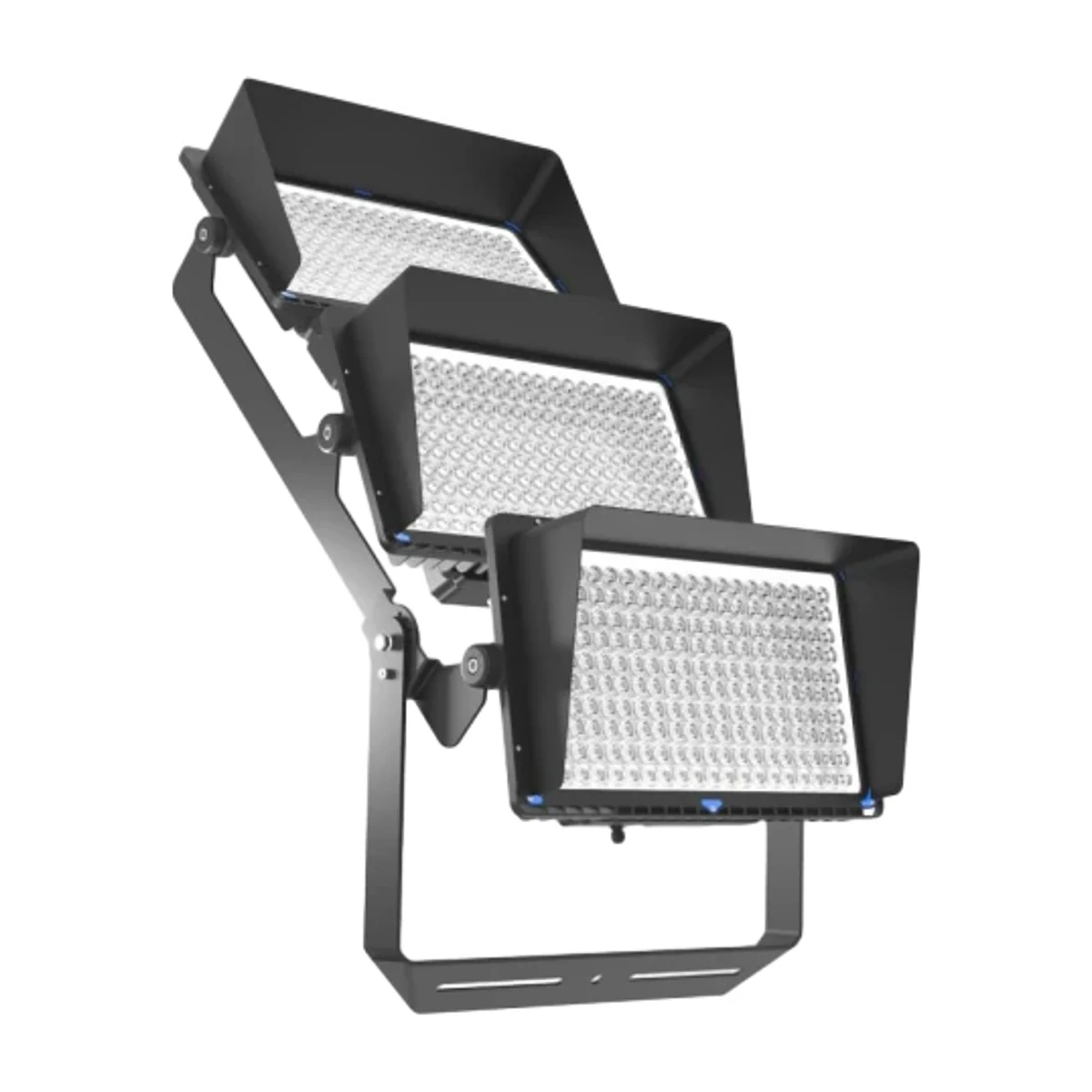
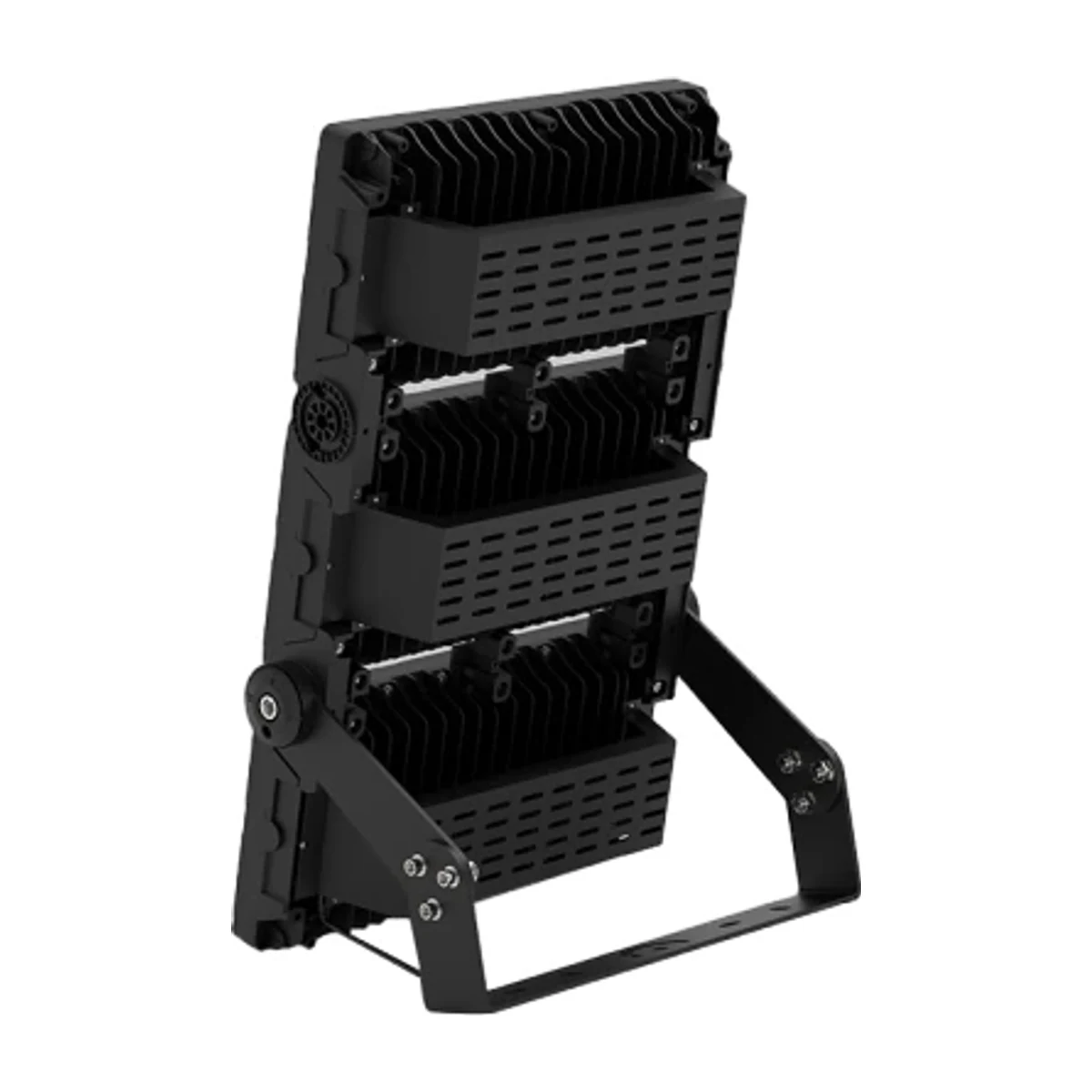
The TFL range runs 400–1800 W at 160 lm/W on Philips SMD LEDs and MEAN WELL drivers, in IP66 anti-corrosion housings with ETL, CE, RoHS, FCC and SAA and a 5-year warranty on both fixture and driver. It is specified where a competition standard fixes the illuminance grid, uniformity and glare: football and rugby pitches, baseball and tennis courts, athletics tracks, multi-use arenas and training grounds. A DIALux study with the grid, uniformity ratio and glare rating for your class comes before the order, not after.
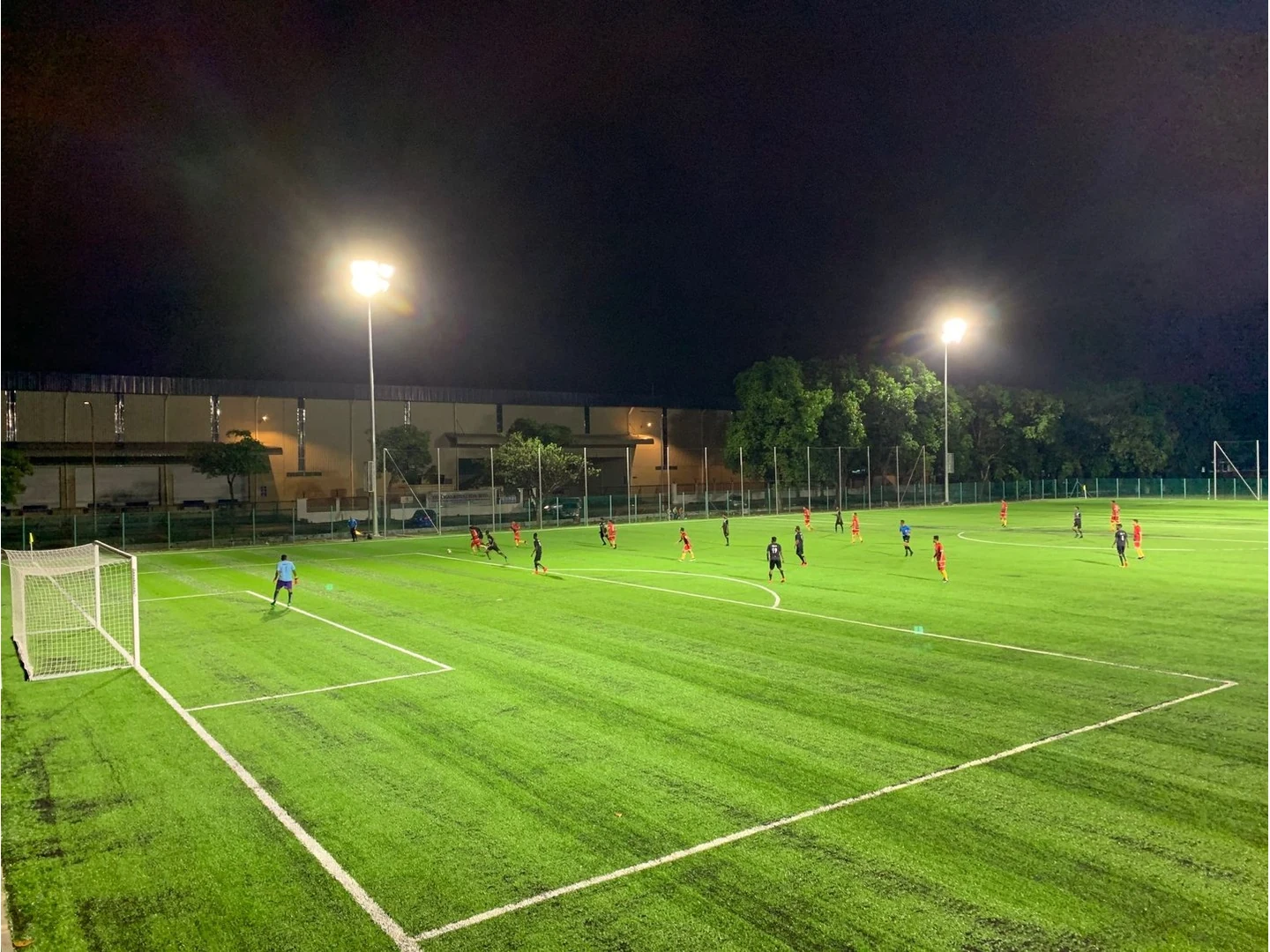
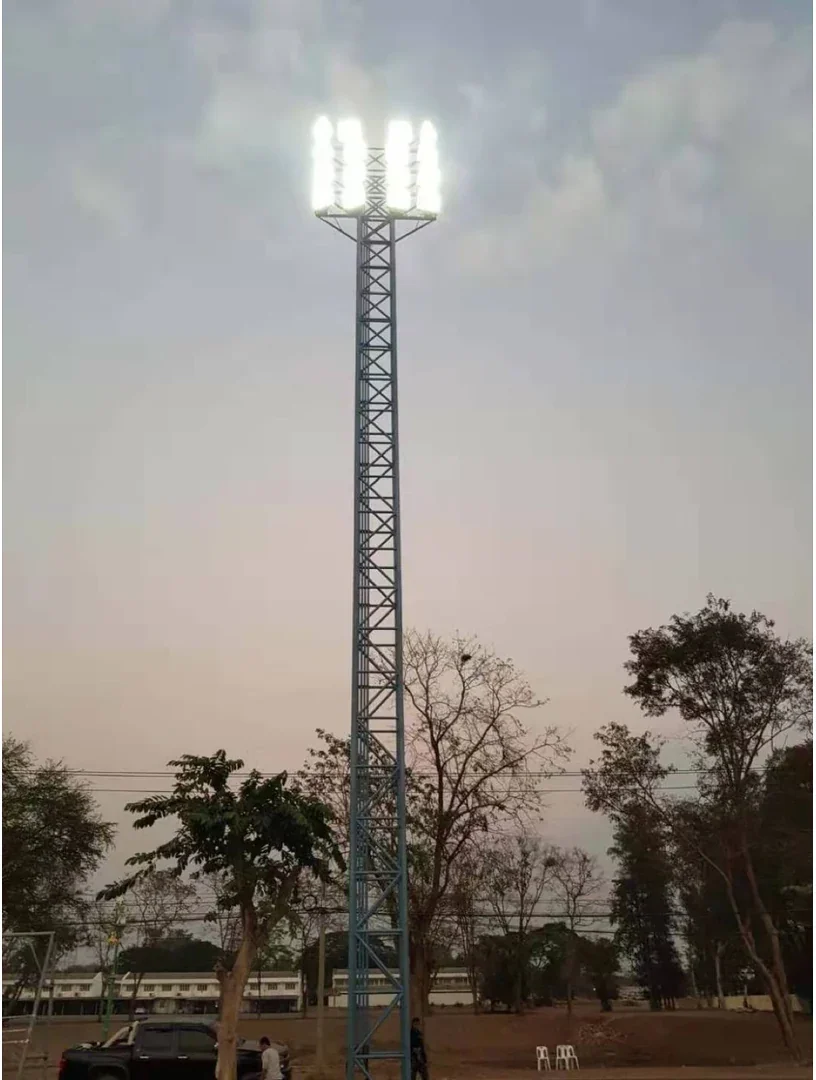
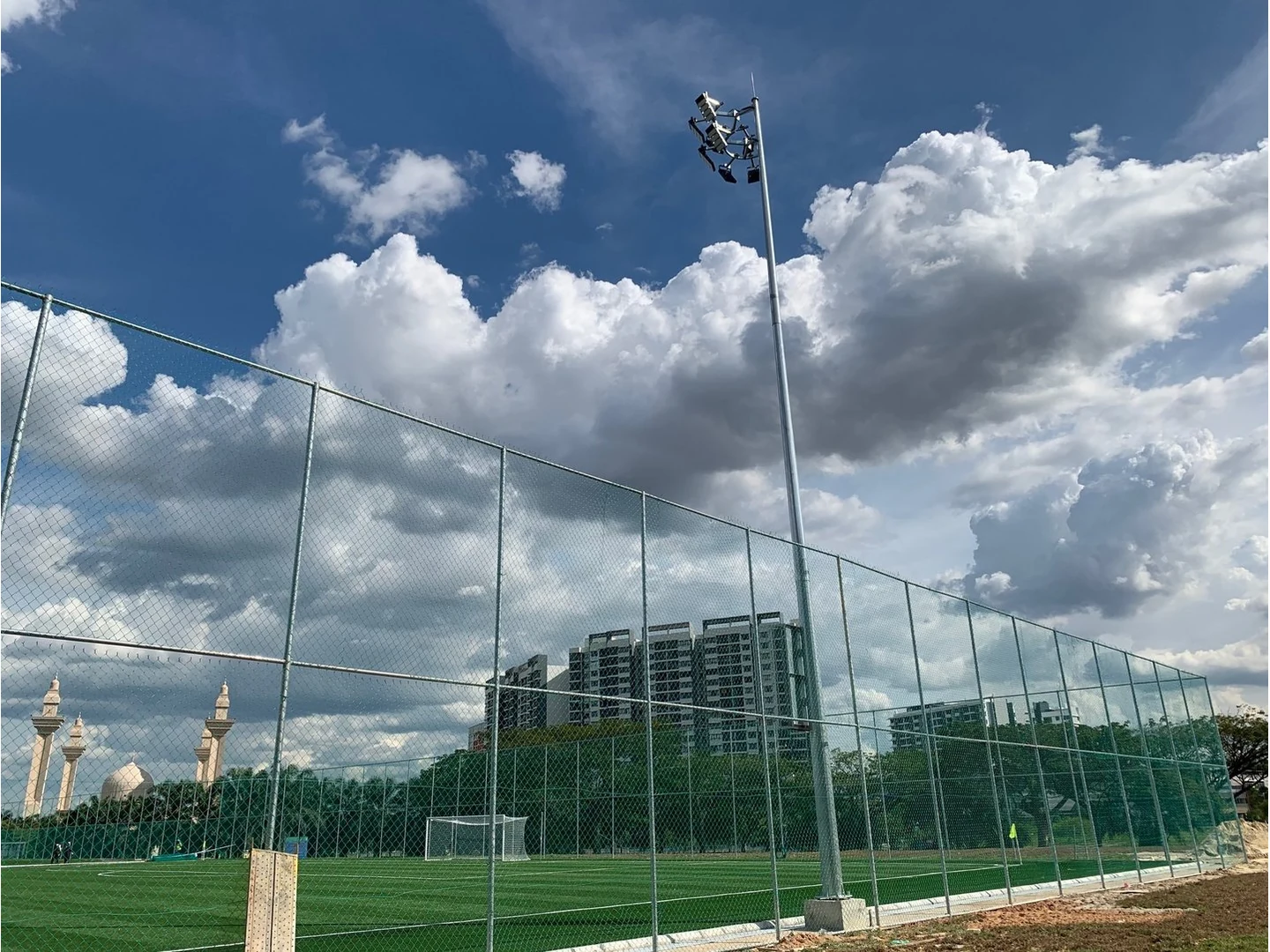
How many stadium lights make up an order? The TFL range runs 400–1800 W, and a pitch order is counted in fixtures per pole rather than in cartons. The DIALux study fixes that number, because uniformity and glare decide whether the set is four heads or more. A two-head trial checks the beam before the full set.
Do you provide a lighting design for a pitch? Yes — a DIALux study with the horizontal illuminance grid, the uniformity ratio and the glare rating the competition class asks for. Send the pitch dimensions, the mounting height and the class you are lighting (training, amateur or broadcast); the range runs from 400 W to 1800 W, and the design decides which model and how many.
What warranty do the stadium lights carry? Five years on the fixture and its driver. Stadium installations are normally inspected by the owner's engineer before handover, so the warranty letter and the LM-79 file are issued with the shipment rather than on request, and the driver is serviceable from the rear of the housing.
What delays a stadium lighting order? 7–15 days for standard 400–1800 W units. The lens configuration has to match the DIALux study, so the order is only released once the layout is signed off; a broadcast-class pitch with a mixed optic set sits at the upper end of that window.
Which parts change between pitches? Power, lens angle, bracket, anti-glare accessory and CCT can be set per order. The body and the honeycomb heat sink stay the same from 400 W to 1800 W, so a mixed set on one pitch shares spares, and the lens is the only part that follows the aiming.
How is a stadium fixture tested before delivery? Fixtures are aged, surge-tested and inspected under ISO 9001 before packing. A pitch fixture sits well above head height and is serviced once a year at best, so the driver and the ageing run matter more than the headline lumen figure.