
A 70 W street light running twelve hours a night consumes about 307 kWh a year. Dim it by 30% for the six hours when the road is empty and you save roughly 46 kWh — about 15% of the annual bill. That is what smart has to beat: not a dashboard, a number on the electricity invoice.
China's lighting industry already boasts numerous cutting-edge AI applications. AI systems create ultra-personalized lighting experiences by integrating sensors, cameras, and smart devices. In optical application research, manufacturers are utilizing AI algorithm technology to achieve automatic light distribution and create various spectral application scenarios.
The AI+Networked Dynamic Smart Lighting Solution, featuring smart lighting products with Bluetooth 5.0 modules and Zigbee dual-mode protocol, combines sensors and AI algorithm-based intelligent control systems to achieve dynamic dimming and color adjustment functions.
Among these solutions:
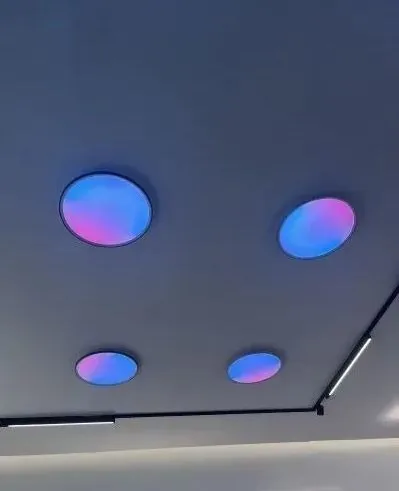
The Ambient Smart Ceiling Light Solution adopts a full-spectrum design with adjustable color temperature ranging from 1800K to 12000K and a color rendering index (Ra) of 98, utilizing AI light-mixing algorithms to enable multi-scene modes.
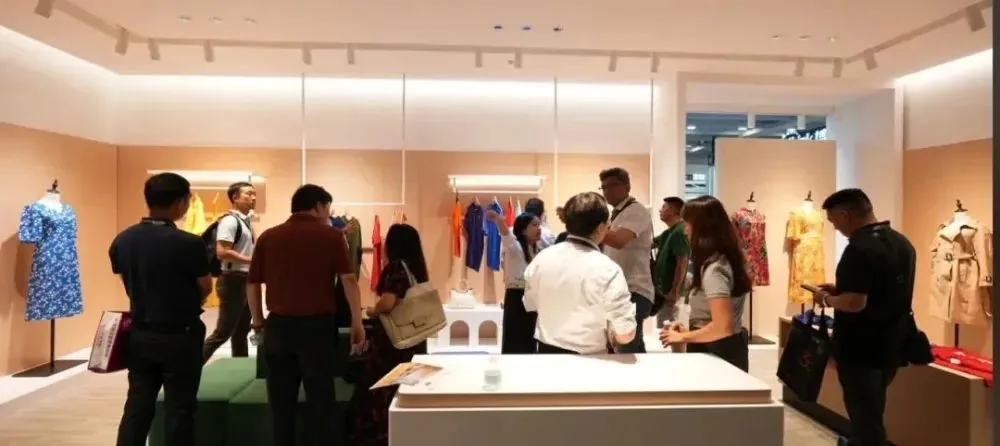
AI Smart Downlights and Spotlights are designed for multiple scenarios including apparel chains, fruit/vegetable supermarkets, tile & bathroom stores, office meetings, art displays, restaurants, and automotive 4S shops. These solutions integrate functions such as autonomous sensing, color matching, low-carbon energy efficiency, light environment creation, and big data analysis, while adding innovative features like gesture recognition and gesture calling.
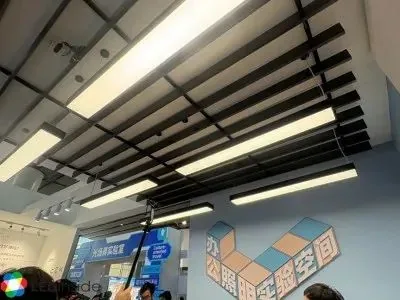
AI Office Lighting System: Reported to automatically adjust brightness based on occupancy, optimize energy efficiency, and synchronize with HVAC systems - thereby creating a smarter, more environmentally friendly and healthier workspace.
Run the number before you buy the platform. 70 W × 12 h × 365 = 306.6 kWh a year. A 30% dim for six hours a night removes 0.3 × 70 W × 6 h × 365 = 45.99 kWh, about 15% of the total. If the control system, gateway and commissioning cost more than the energy it saves over five years, the project is a demo, not a saving.
What does AI actually change in a smart light? It turns the fixture into a system. AI integrates sensors, cameras and smart devices to build ultra-personalised lighting experiences, and in optical research it is used for automatic light distribution and for creating different spectral application scenarios.
Which protocols does the AI+Networked solution use? Bluetooth 5.0 modules with the Zigbee dual-mode protocol, combined with sensors and an AI-algorithm control system to achieve dynamic dimming and colour adjustment.
What did the ambient smart ceiling light achieve? A full-spectrum design with adjustable colour temperature from 1800K to 12000K and a colour rendering index (Ra) of 98, using AI light-mixing algorithms to enable multi-scene modes.
What does the AI office lighting system do? It adjusts brightness automatically based on occupancy, optimises energy efficiency and synchronises with HVAC systems — the article's example of a smarter, more environmentally friendly and healthier workspace.
Our 25-engineer team provides free project consultation and fast, accurate quotations.
Get a Quote