
Every few years the lighting industry announces a revolution, and most of them turn out to be a new label on the same LED. The change that actually alters a street at night is not efficiency or connectivity. It is the decision to stop throwing light where nobody needs it.
The most disruptive lighting technology in the next 3 years, won't be about energy efficiency or smart controls—it's about eliminating light pollution entirely.
The world is waking up:
Chile has mandated <1% and <7% blue light in luminaires (2023 decree)
China launched "Dark Sky Reserve" policies (e.g., Shenzhen Dapeng)
EU now includes light pollution in urban sustainability requirement.
Artist Alona Rohde designed headcovers for street lights to reduce light pollution in Berlin
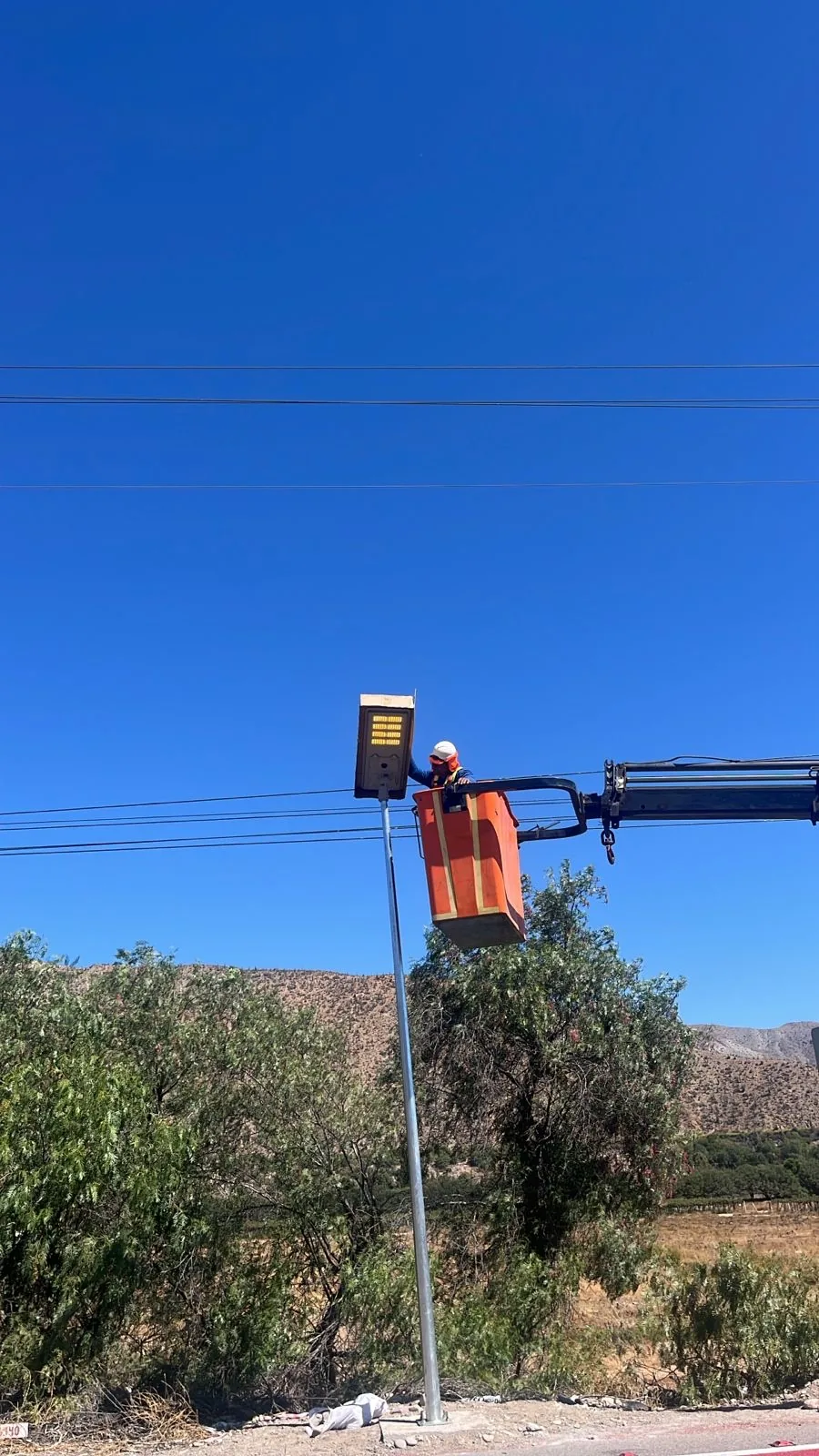
To meet stringent requirements, our specialized non-polluting lighting systems have been installed more than 300 sets in Chile.
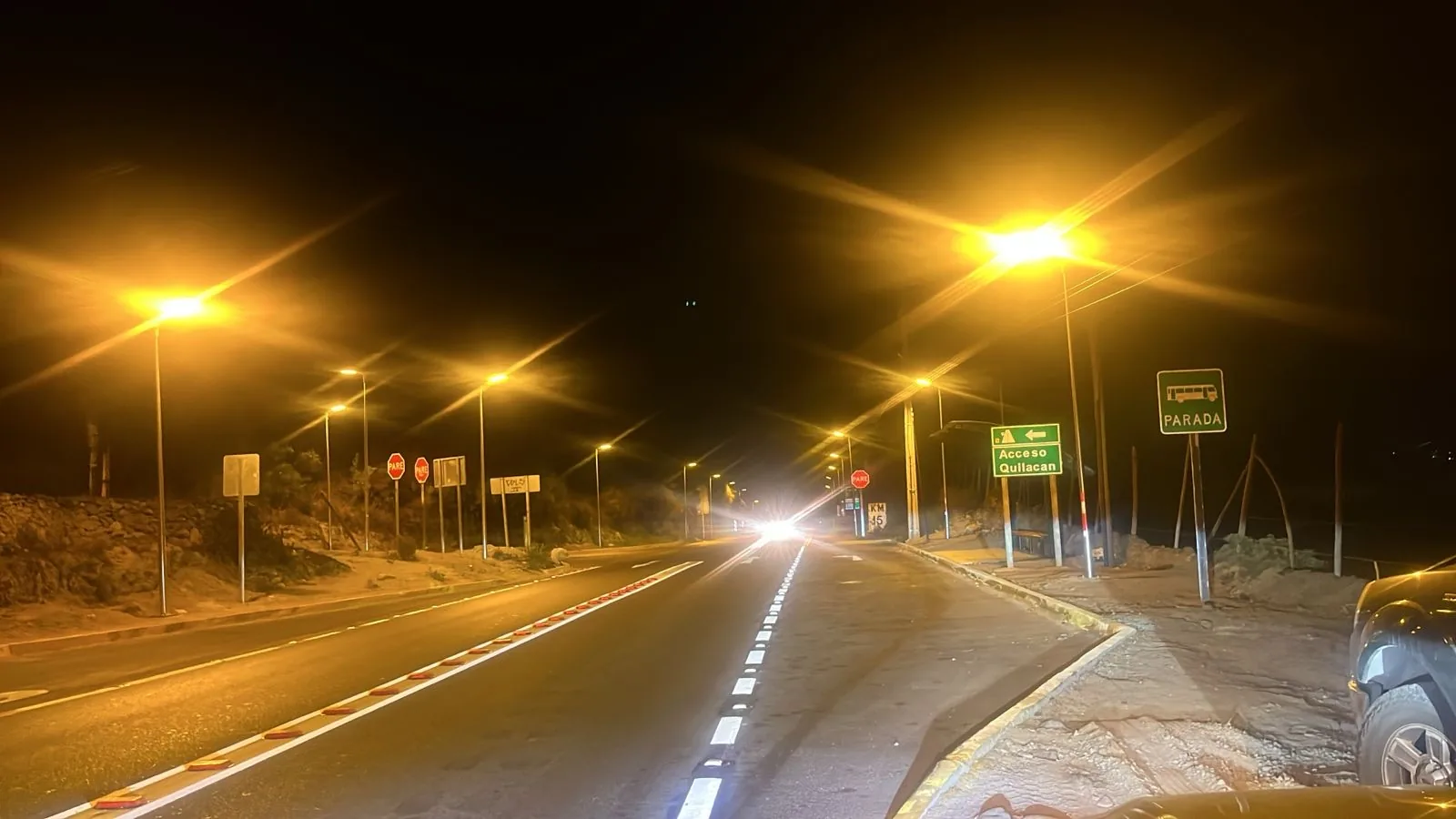
The number to ask for is the BUG rating — Backlight, Uplight, Glare — defined in IES TM-15. A B1 U0 G1 luminaire sends no uplight at all; a B3 U3 G3 sends a substantial share into the sky. The rating comes from the photometric file and is easier to verify than any claim about being dark-sky friendly.
What will dominate lighting technology in the next three years? Not energy efficiency and not smart controls — eliminating light pollution entirely. The article argues that is the disruptive shift, and that the world is already waking up to it.
Which regulations are driving it? Chile has mandated below 1% and below 7% blue light in luminaires under its 2023 decree, China has launched Dark Sky Reserve policies such as Shenzhen Dapeng, and the EU now includes light pollution in urban sustainability requirements. To meet those limits, more than 300 sets of the specialised non-polluting system have been installed in Chile.
Our 25-engineer team provides free project consultation and fast, accurate quotations.
Get a Quote